These are eleven things I've learned as a person who's taken over a decade of lessons on multiple instruments and been teaching for two years. I hope folks reading will reflect on their own teaching experiences and strive to make music lessons more enjoyable and accessible for student from a variety of backgrounds.
1. If you hate when people make mistakes, please choose another career.
 If you can't put up with mistakes, I guarantee teaching— guiding people through a process of personal and technical growth, will not be rewarding in any way.The aphorism "Perfect is the enemy of good, definitely app
2. Music has a different place in people’s lives- not everyone wants to be a professional classical performer.
If a person just wants to be able to play hymns on a rainy day, or a teen wants to play only movie soundtracks, or jazz or folk music—honor that request and help them reach their goal to the best of your ability. Not everyone will be or wants to be the next Chopin and that's okay. Having a discussion with your student about the role music plays in their lives might be productive— is music school in their future or is this just a way to relax after school/work?
3. Understand the subtext behind “I didn’t practice”.
Try to be compassionate at first. Is it final exam week, or a religious holiday? Was there a death in the student's family? Was the student ill that week? If lack of practice becomes a pattern, then a more intense discussion could ensue— is the student losing interest in their instrument? Is that song or your teaching style causing immense frustration? Solutions before accusations is the best policy when talking about not practicing one's instrument.
4. Understand general logistical issues that may affect the student.

The student's/parent's ability to speak the language you talk in, or getting rides to/money for lessons or instrument access (pipe organist here!) or neuro-divergence/medical issues that may make learning or memorization difficult. Be a understanding human being not a musical taskmaster. Don't punish or criticize the student's for issues or logistical complications that they can't help having.
5. Music lessons should be a partnership not a dictatorship.
 The student should have input on what style of music they learn, the pace at which they progress, the expectations surrounding practicing and performing. Obviously, a teacher should be in charge of the situation in a professional manner, but there's no need to become authoritarian. Studying music can be disciplined AND give the student autonomy over their learning.
6. Performance Anxiety is a REAL thing that’s more than being nervous.

If you as a musician have experienced this, sharing your own experiences may be helpful. (You don't need to give details, even a simple "I've been there, and now I'm a professional musician" could be so encouraging to a struggling student.) If you haven't struggled with performance anxiety, talk to others who have and listen compassionately for the best way to help your student. It may be helpful to rehearse the logistics of performing (introductions, taking a bow) before the day comes.
7. Respect a student's personal space.
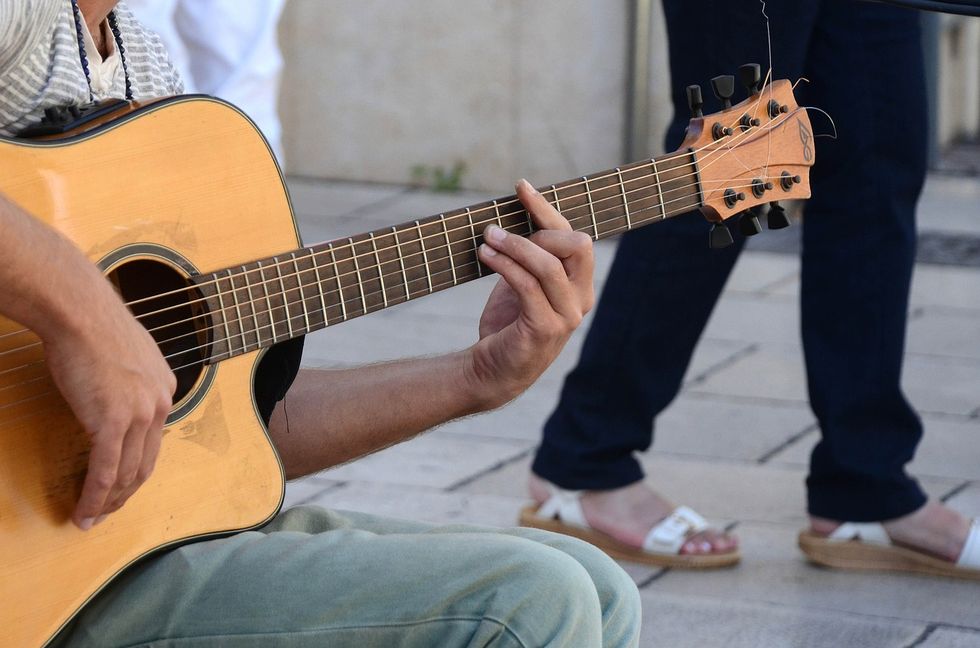
You may have noticed the thread of respect that runs throughout these tips. This one deserves particular mention. You may sometimes need to rearrange a student's hand on their musical instrument or lean over them to turn a page, or stand directly behind them in a small studio/performing space. Those could all be valid scenarios, just politely ask for consent (Can I move your hand?) and if your student seems uncomfortable, move yourself.
8. It's okay to understand music in a different way than your students.
 If you have perfect pitch and you student doesn't or vice versa; you may experience music differently. That's perfectly, just make sure when you work on music theory (espicially the advanced stuff) that you understand how your student's brain is approaching music. You might need to explain things in a different way that may not make sense to you; as long as your student is able to access and understand that material—that's what counts.
9. It's often okay to express your frustration with the student (or their parents) directly.
 Don't keep folks wondering; if you're struggling to explain a concept or a student's personality quirk bothers you, it may be worth it to talk frankly about it. Any relationship generally does better with open and honest communication.
10. Put yourself in the student's shoes.

It's a great way to gather insight, espicially for young children or students who aren't able or willing to communicate as much.
11. The ultimate goal should be progress not proficiency by arbitrary standards.
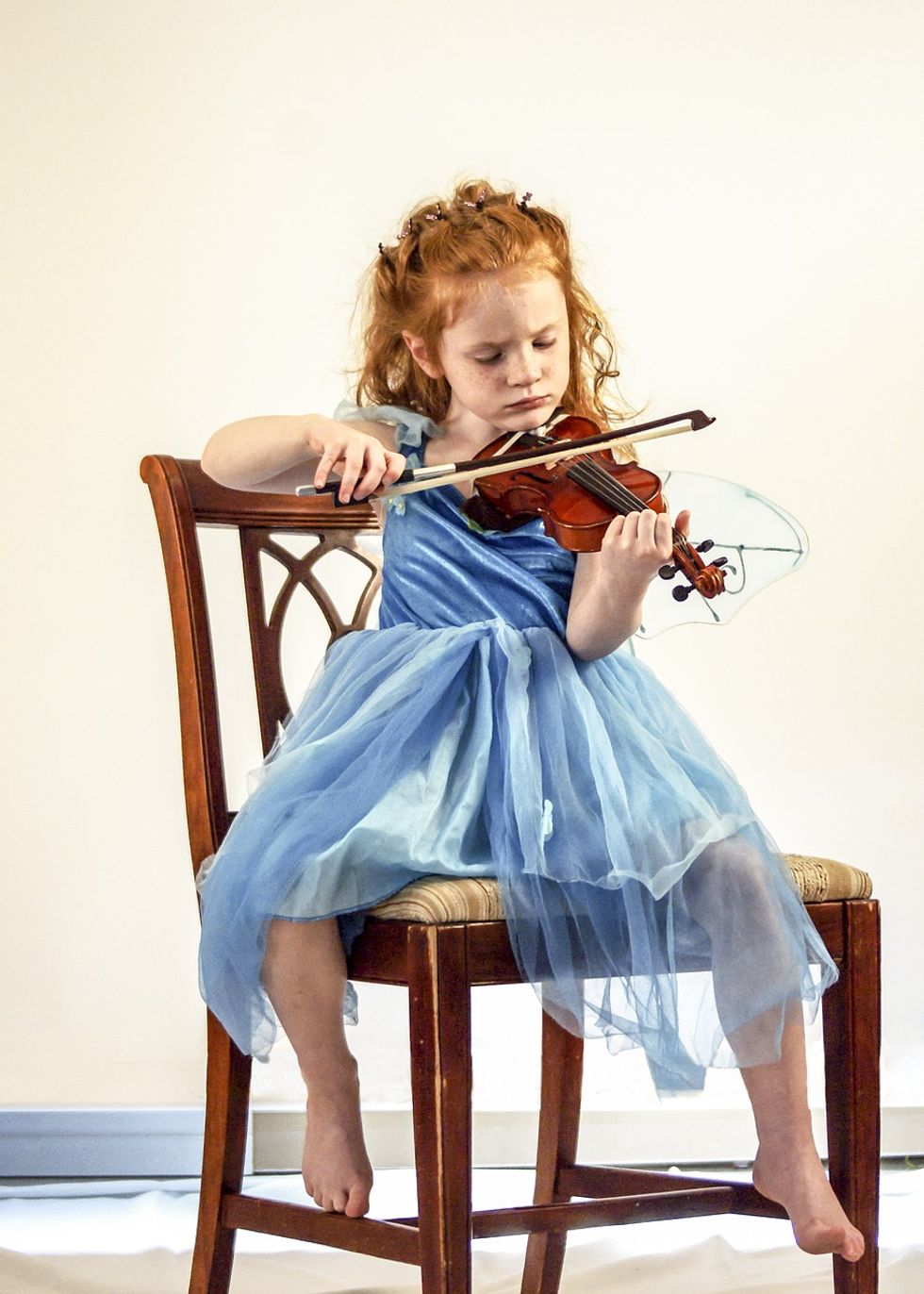 If the student's happy with their progress, you should be too. The completed pages of an exercise book are less important than the joy of making music.