On Aug. 29, 2005, millions of people in the world were going about their everyday lives — washing their dishes, driving to work, or like me, they were studying in school. For thousands of residents in New Orleans, Louisiana, as well as neighboring cities, lives were changed forever. Hurricane Katrina, the third-most intense hurricane in United States history, hit these areas hard, destroying homes, taking lives and breaking hearts.
Like when many tragedies occur, people are quick to help out. Because 80 percent of New Orleans was flooded, you can imagine the extensive damage that came to the city. Thousands of volunteers and troops from all over the world were stationed in the area to help clean the damage, control the chaos and fix homes. Organizations such as American Red Cross, Hurricane Relief Foundation and the Federal Emergency Management Agency were quick to respond and make donations. I remember sitting in my fourth grade classroom and saying prayers with my class for the victims of Hurricane Katrina every day.
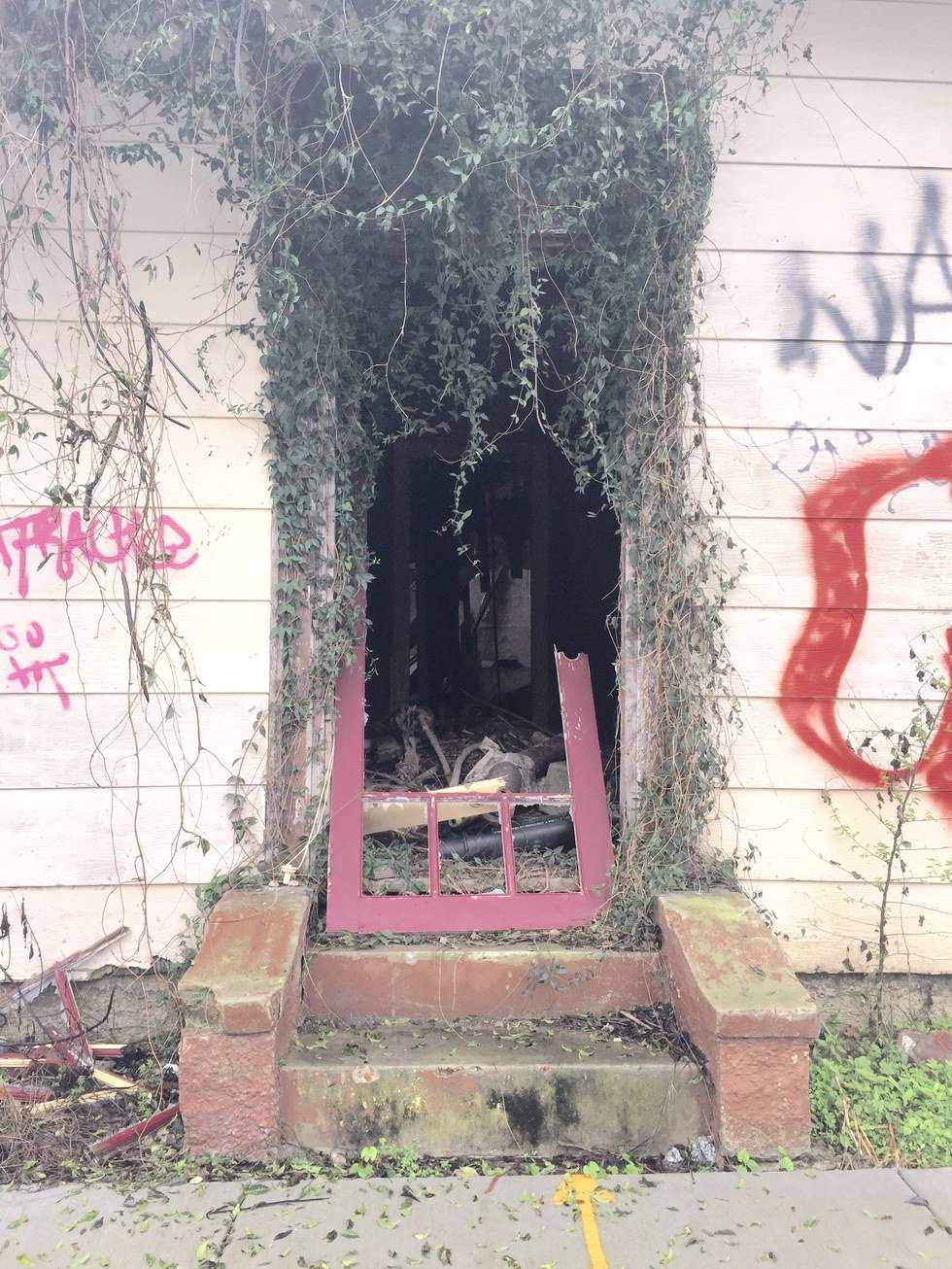
Ten years have passed, money was given and charities were formed, and now the volunteers and people that helped out continue to go about their everyday lives. What they fail to realize however, is that for the victims of Hurricane Katrina, the storm is not over. Believe it or not, there is still rebuilding to be done due to the damage that occurred a decade ago. Brianna Cerrito, a psychology major at Fairfield University class of 2018, saw the existing damage with her own eyes. Traveling with the university over spring break to New Orleans, Cerrito discovered the struggles the city continues to face. From run-down houses and torn up windows, Brianna's heart was broken by the challenges they still have to face every day. "A lot of families that left during the storm were never able to return," Cerrito says. "They don't have enough money to fix up these empty houses. That is something people outside New Orleans do not realize. They think it is all over."
The residents of New Orleans may turn the corner, and see the damage that occurred on one of the worst days of their lives.
This brings me to my next point. The volunteers that were quick to help out during the storm, now can wake up to their smiling families every day, assuming that the storm is in the past. There are victims of Hurricane Katrina that lost loved ones, and that type of pain is something that does not stay with them for a few days or a few years, but rather a lifetime. Families that were forced to evacuate to Texas or surrounding states during the storm left everything they had behind and started over in a new state they were not familiar with. Ordinary lives were changed completely, and every day they wake up and have to live differently, reminding them of the fear and pain that occurred during the storm.
However, the storm did find a way to bring the people of New Orleans together. Another Fairfield University student that went on the trip, Adelyn Galang, a communications major of the class of 2018, noticed the strong culture the residents of New Orleans had. "They are proud of who they are and proud of their religion. The streets of New Orleans showed their culture with every step," Galang said. In fact, on the 10-year anniversary of Hurricane Katrina, residents of new Orleans gathered around for prayer services, mournings and just to be together and celebrate how far they have come.
What I hope you get out of reading this is that although 10 years have passed, and although a lot of progress has been done to New Orleans, they still struggle with their daily lives. From remembering the loss of their loved ones, to seeing a torn up house on the side of the road, Hurricane Katrina still lives with them every day. Let's make the next 10 years a road to a stronger, safer, prouder New Orleans.