

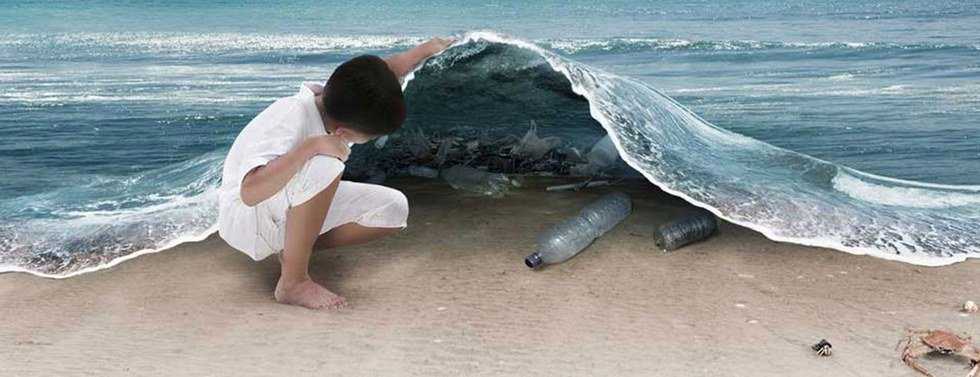
The big blue body of water that sits east of the east coast and west of the west coast is the ocean! It's beautiful. It's full of life. It's also being trashed by human beings daily. I work as an ocean rescue lifeguard along the Virginia coast, spending lots of time around and in the ocean. I also spend lots of time picking up trash and debris from the waters in a small effort to help keep the ocean clean. I figured, I can't be the only one who can give a small effort to help keep the ocean clean, right? — and guess what? I am right. Here are 11 ways you too, can pitch in and keep our oceans alive and well!
1. Eat Sustainable Seafood
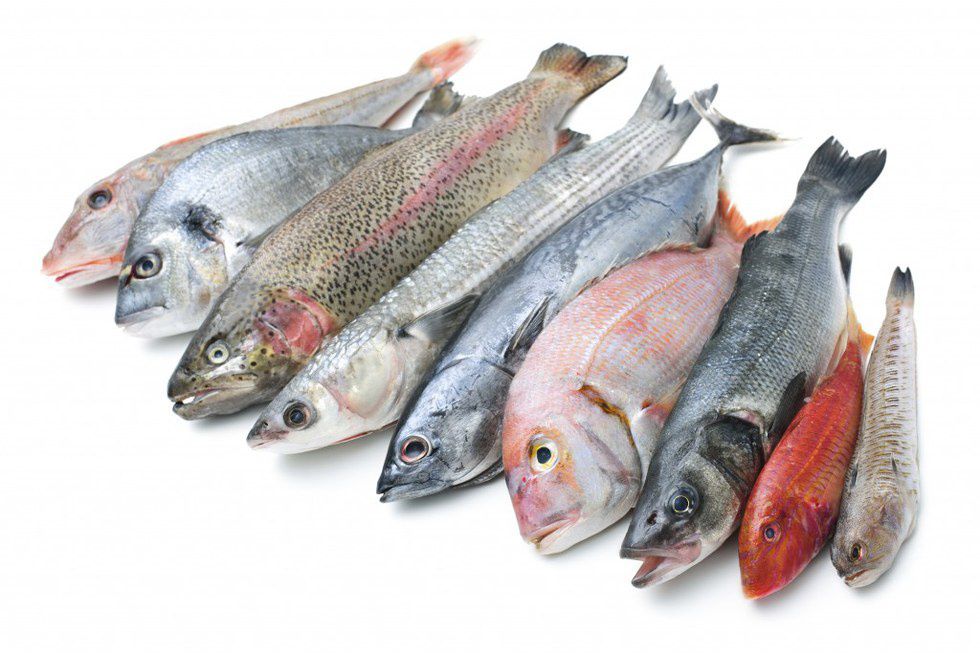
Okay so you may be asking "what is the difference between the seafood I buy and sustainable seafood"; well it's not really about a difference in the fish. It is simply finding out where your seafood is coming from! The fact of the matter is, our love for seafood has slowly depleted some of the best fish out there. This creates an unbalanced ecosystem! Check to make sure that where you buy your seafood from is coming from fisheries that practice better fishing techniques and are targeting the more plentiful of species.
2. Scoop Your Pooch's Poop — Be an Ocean-Friendly Pet Owner
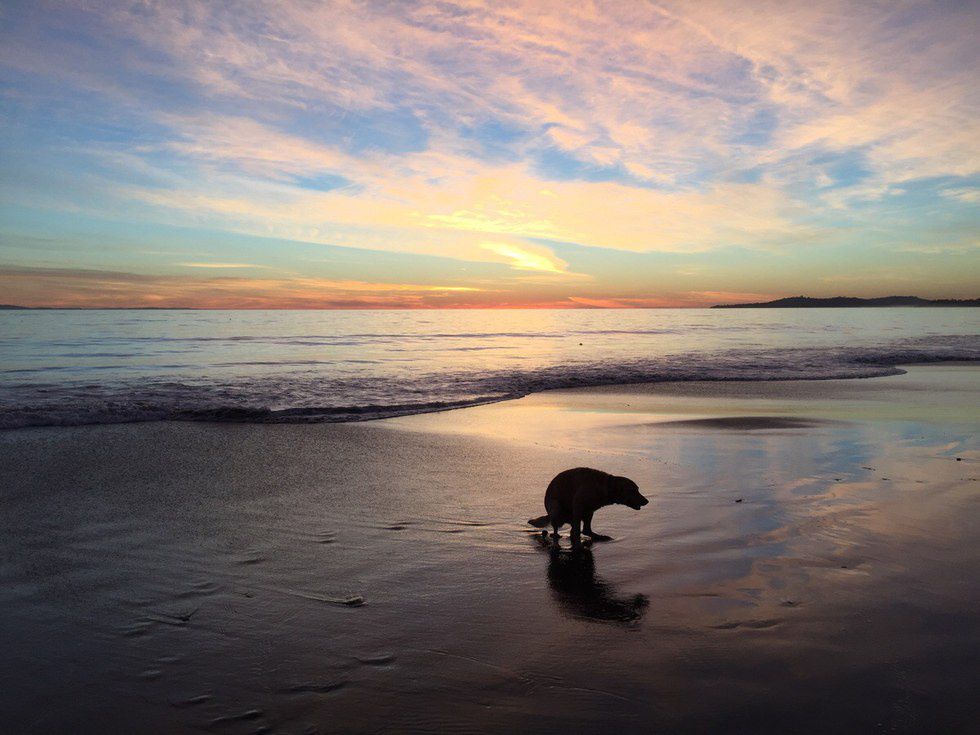
Your beloved dog is adorable! I know, I know! But, that brown lump he and you are leaving behind is not so adorable. As someone who owns a labrador retriever, I know the joys of tossing a tennis ball into the ocean and watching your dog run and swim after it. I also know that, what our dogs leave behind will eventually make it's way into polluting our waterways. So join the effort to keeping our beaches clean, by scooping up your pooches poop and disposing of it properly!
3. Boat, Kayak, and SUP Responsibly
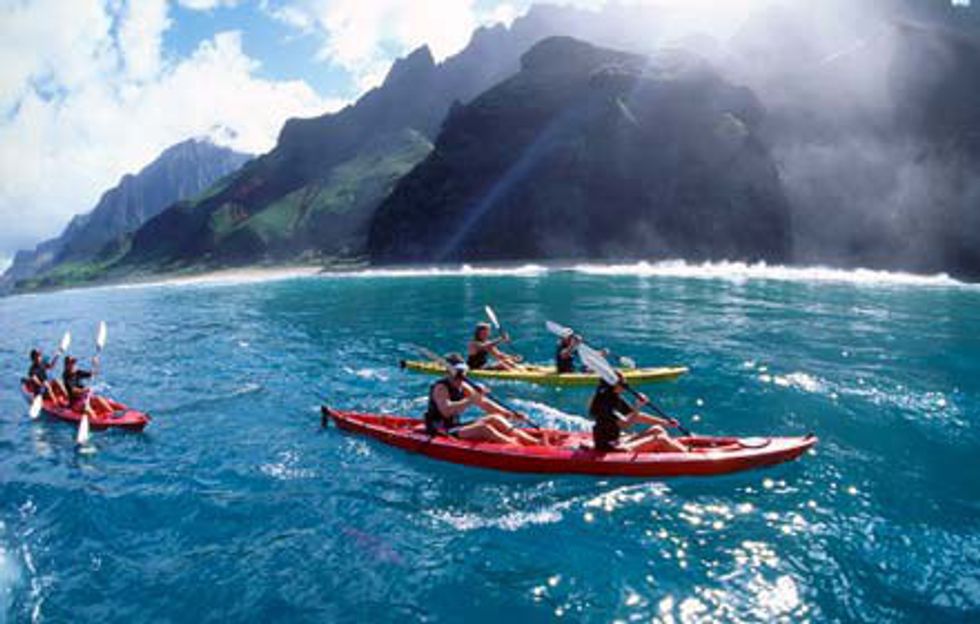
A day on the water is surely a good one! Whether you are jetting along in your Chartered Fishing Vessel or you are paddling along in your touring kayak; here are some ways to make sure you are being a responsible seaman: don't throwing anything overboard and be aware of the marine life around you!
4. Pick Up After Yourselves – It's Actually Really Easy!
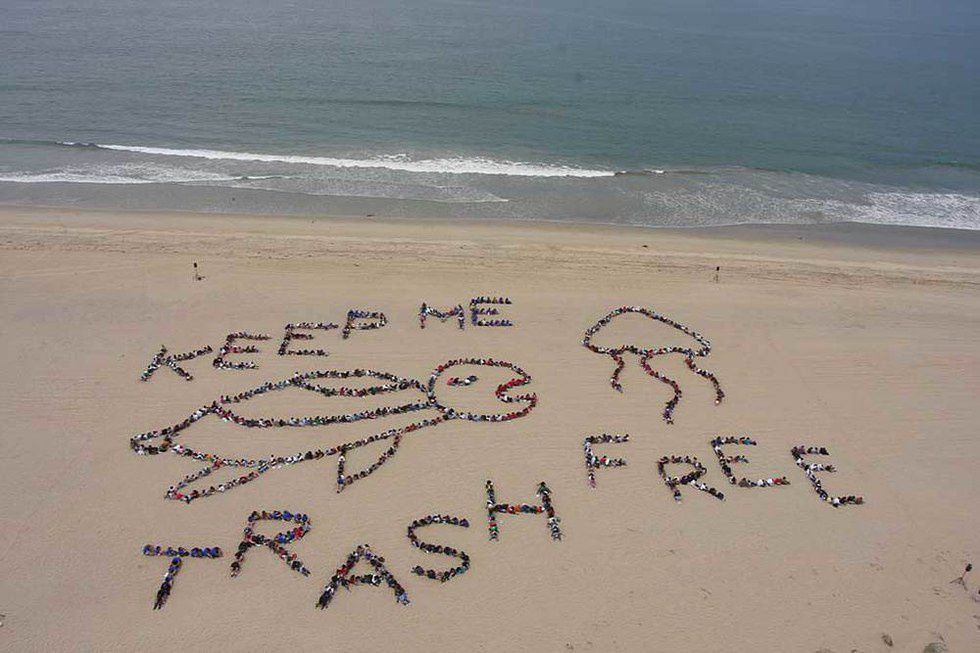
This is a big small thing you can do! After you are doing with your beach activities pick up the trash behind you. If there are some extra trash from fellow beachgoers who have already left, go ahead a pick there trash up too! I know, it may be your vacation but think about how wonderful of a vacation going to the beach is; think about how you can help keep it a wonderful vacation spot!
5. Think About Your Carbon Footprint – Then Reduce It

You don't have to be a Prius Owner to be mindful of your Carbon Footprint! The first way to consider reducing your Carbon Footprint is by buying locally grown food; it reduces the use of fossil fuels in transportation and it is fresher and tastier! Another way you could reduce your Carbon Footprint is unplugging your electronics when you are not at home or the office; even when you aren't using your big flat screen TV, your big flat screen TV is slowly using a small portion of electricity!
6. Use The Least Amount Of Plastic As Possible
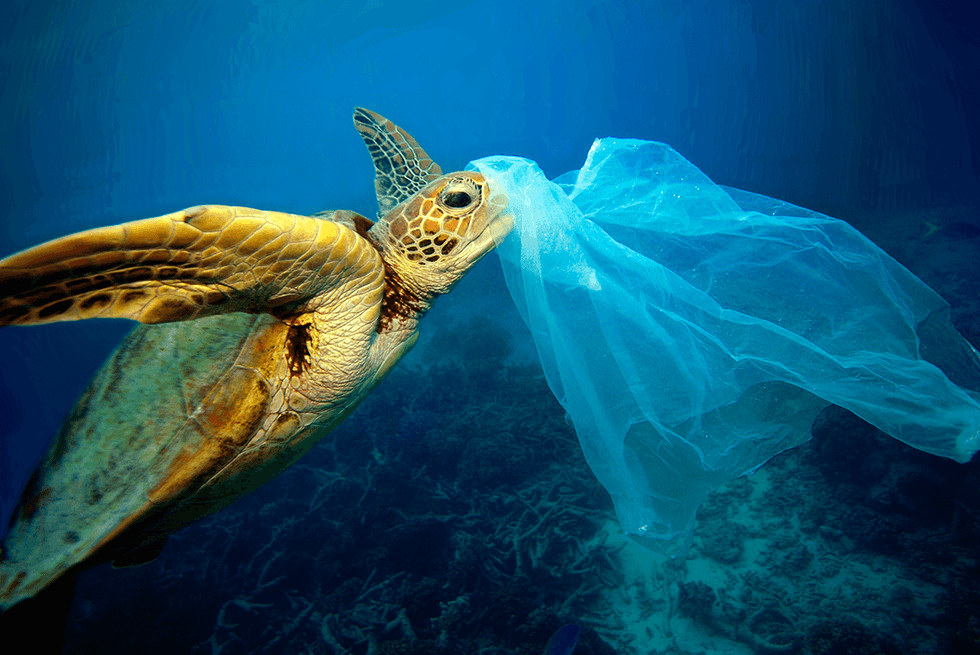
The bottom line of plastic is that it always seems to make its way into the ocean. The reality behind plastic, like plastic bags for instances, it is one of the leading causes of killing marine life. Turtles mistake floating plastic bags as jellyfish which is one of their main sources of food. There is also a huge island like structure built up in the Pacific Ocean made entirely out of plastic debris. It's called The Great Pacific Garbage Patch. It's real. It's killing our ocean. I plead with you to stop using plastic and using an alternative. Instead of plastic bags, buy those $1.99 store specialty bags to be re-used over and over again. It is so worth it. Instead of plastic water bottles, buy a Camelbak, a Nalgene or a Hydroflask.
7. Support Organizations That Promote Clean Oceans
Here are some organizations that promote clean oceans and saving marine life:
Deep Sea Conservation Coalition
And for a more exhaustive list you can check out: marinebio.org
8. Stop Using Fertilizer

Did you know even if you don't live near a water source the fertilizer you use to keep your grass up to the Jone's par will be washed away with the next rain and eventually find it's way into a river which will eventually follow into a bigger body of water and will find it's way into the big blue ocean? When fertilizer gets into the ocean and creates what scientists call "dead zones". Dead Zones are where the oxygen level is too depleted to sustain ocean life.This is the tragic truth to your greener grass; so stop using the chemically loaded fertilizer to make your grass a little greener and maybe plant some clovers into your yard to naturally add nitrogen into your soil!
9. Do Your Research – Learn About The Beaches You're Visiting
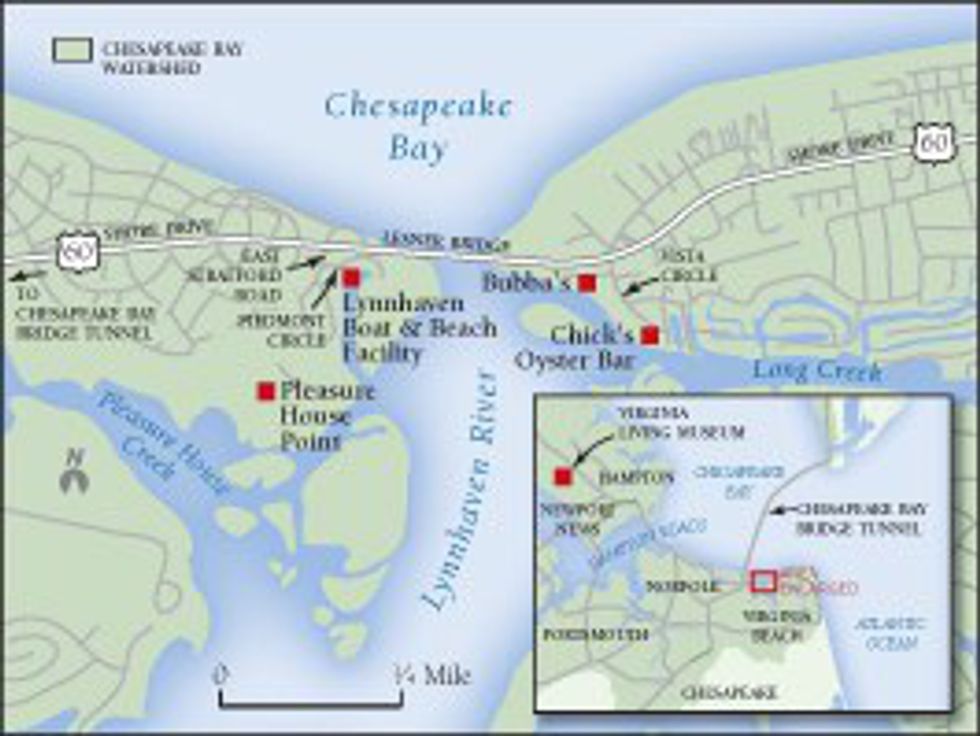
This is a rather easy thing you can do to make your beach visit a successful one. If you were to come to my hometown, Virginia Beach, you'd find out some cool facts about the surrounding bodies of water. The three main bodies of water are: the Atlantic Ocean, the Chesapeake Bay and the Lynnhaven River. If you'd look up these organizations you would be able to see awesome local organizations like The Chesapeake Bay Foundation, Lynnhaven River Now, and The Virginia Aquarium & Marine Science Center. All three of these places have programs oriented towards educating the locals and visitors of Virginia Beach on the surrounding bodies of water.
10. Be Respectful To Your Beaches Environment
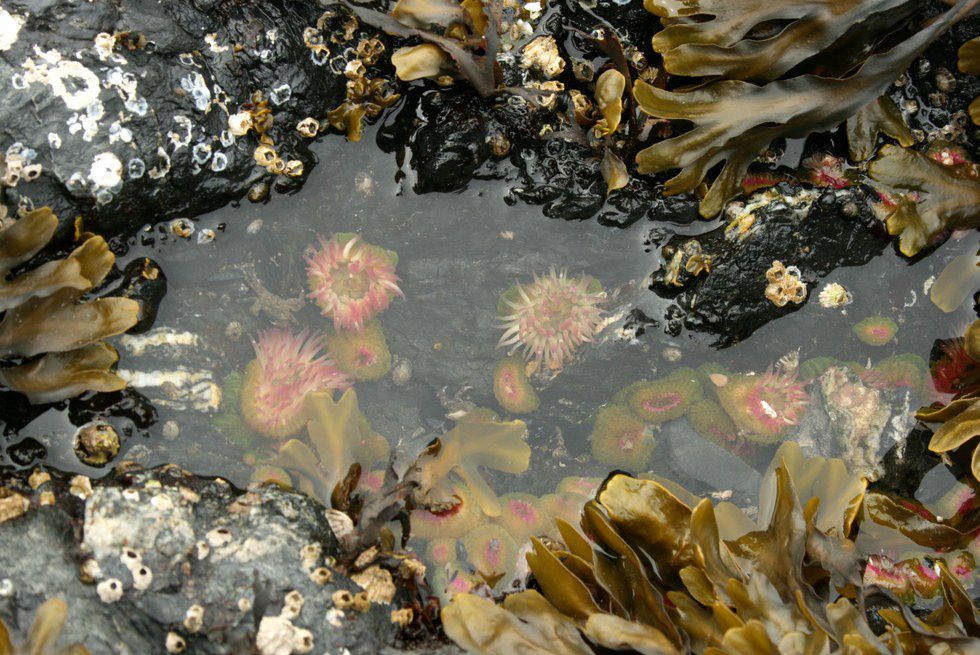
When you go to a friends house you are a visitor. When you go the beach you are a visitor. When you go in the ocean you are a visitor. Now, you are respectful to your friends house while you are there, aren't you? So why wouldn't you do the same while you at a beach or in the ocean? It's important to do the following things: If you are walking through dunes (which you really shouldn't be doing), be careful not to rip out any of the plants holding sand in place; If you are exploring tide pools make sure to be extra careful for the fragile marine life that dwells there; If you are scuba diving near a coral reef, be careful not to do any damage to the reef; and if you are out in the open water boating, make sure you are careful as to where you let your anchor settle you don't want to mess up any reef or seagrass beds below.
Go out and become a friend to the ocean!