


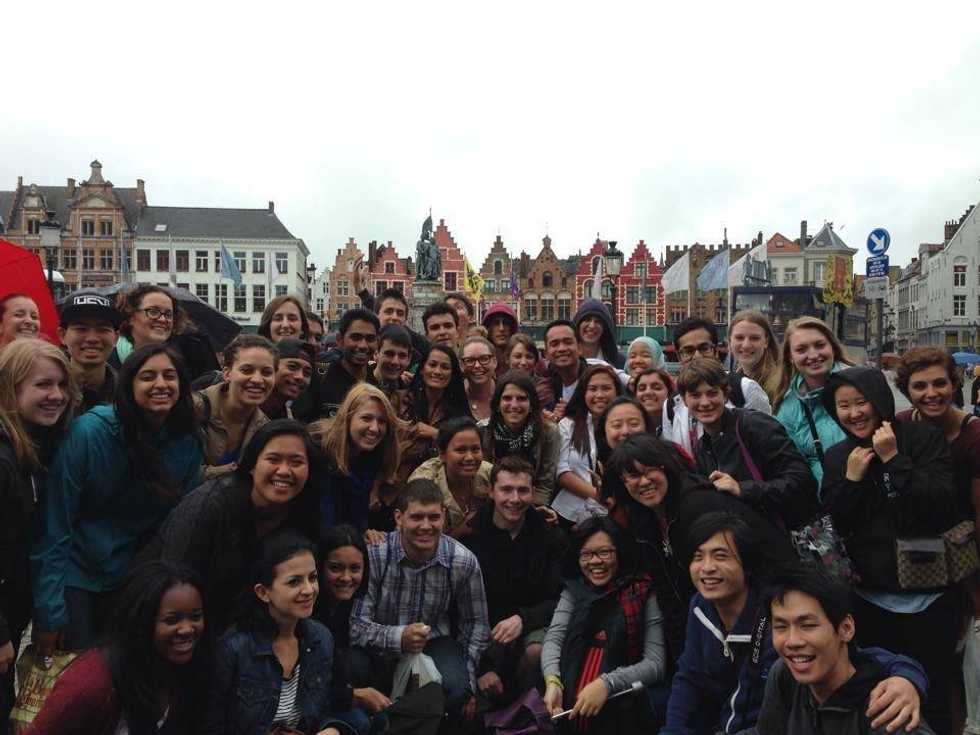
During a trip studying abroad, you are there for school, and you are there to learn. However the knowledge gained outside of the classroom has much more worth than the general studies course you are getting credit for. Whether it is for a month or a year, spending time in another country exposes you to a lifestyle you were completely unaware of.
I studied abroad in Lille, France at Université Catholique de Lille for one month. While I was only there for a short time, the memories will last me a lifetime. Here are some of the tips I would recommend to any future study-abroad student:1. Don't overpack!
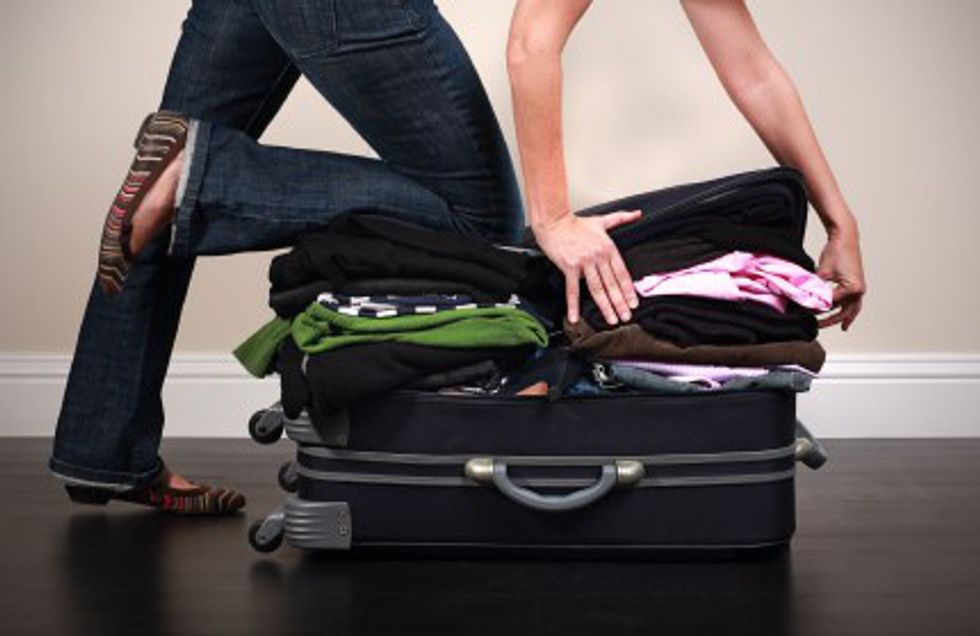
You will be buying a copious amounts of souvenirs, clothes, and food to bring home while you are there. If you need to, pack things like old towels or old shoes to wear that you can easily throw away if your suitcase is over that 50 pound limit; I know mine sure was. The less you have, the better. It is extremely taxing carrying a backpack, suitcase, and a duffle bag across several countries. If you can, bring as little as possible.
2. Pack for any type of weather.
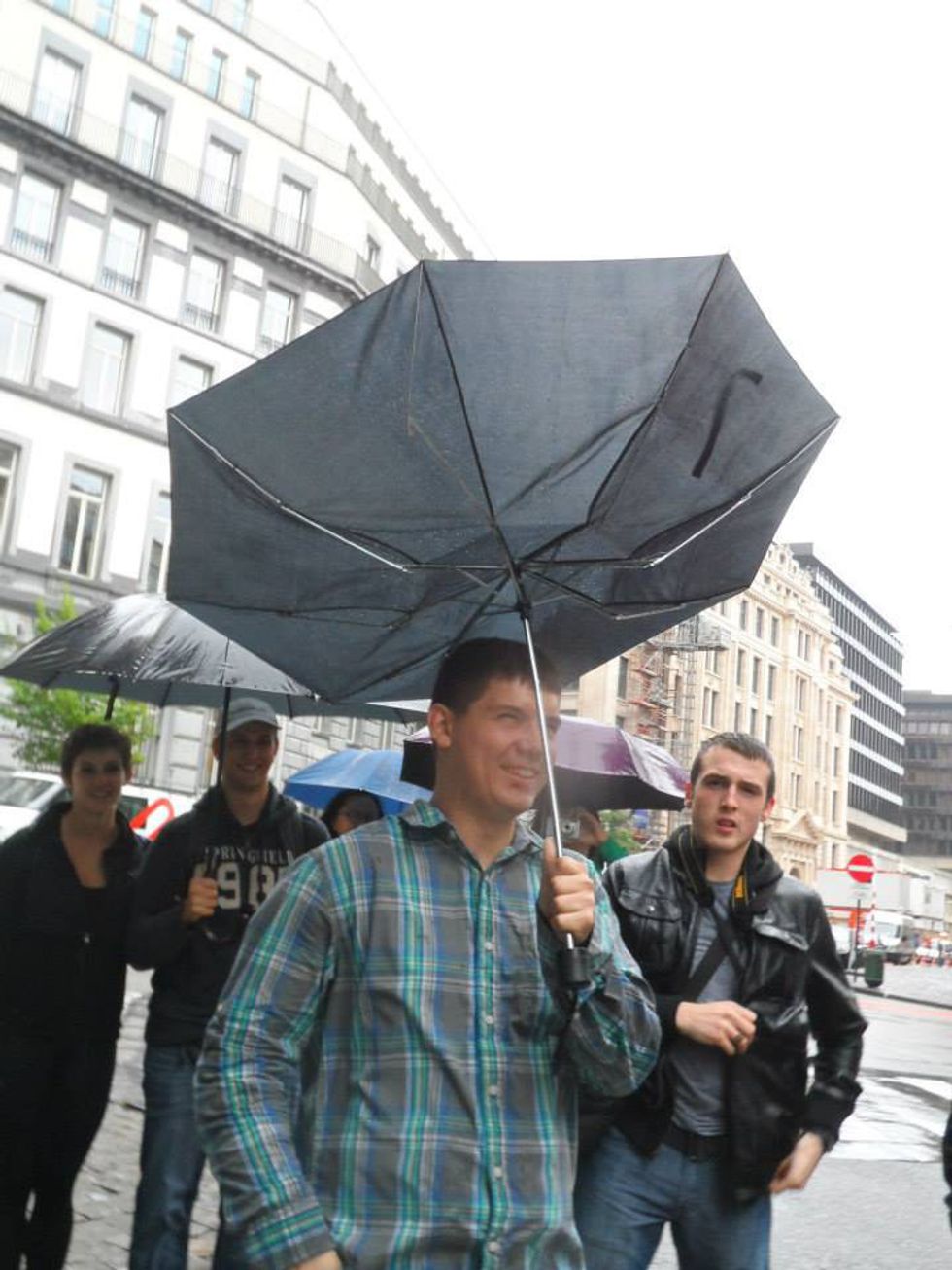
I know, I know. I just said don't overpack, but you do need to be prepared. Depending on where you go, the weather could be vastly different. While I was in Brussels, Belgium, it poured down rain the entire time I was there, but because I had the right clothes, it didn't stop me from having a fun time. Then one weekend I went to Paris, France, and it was 105 degrees Fahrenheit! It is so important to bring clothes that will keep you comfortable. You don't want to be preoccupied with uncomfortable clothes; you want to be making memories. Pictured above is my friend Ryan in Brussels, Belgium, struggling with his umbrella in all of the rain!
3. Invest in good luggage.
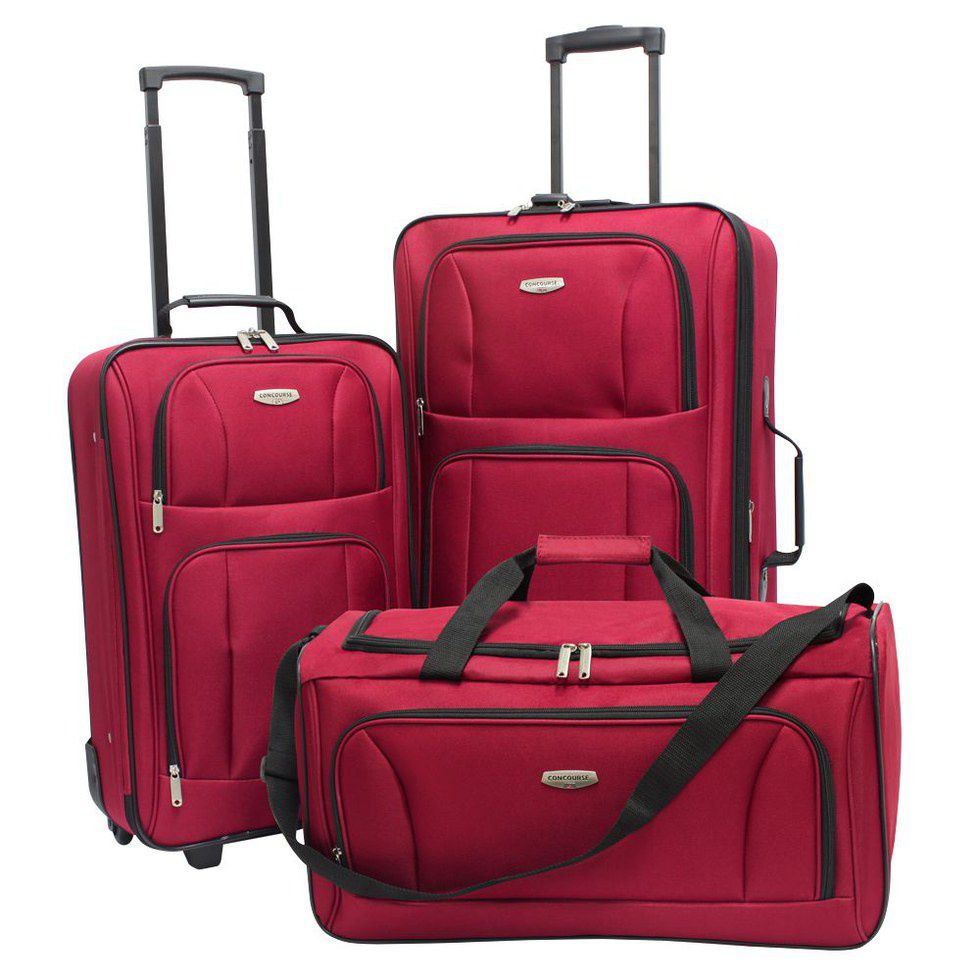
Nothing is worse than having to roll a suitcase that has a crooked wheel. Not only is having to stop every ten feet because your suitcase tipped over annoying, but it will also slow you down. Time is definitely not something you have to waste during your study abroad trip. Even though nice, new luggage is expensive, it will definitely pay off in the long run.
4. Bring items to make you more comfortable when traveling.
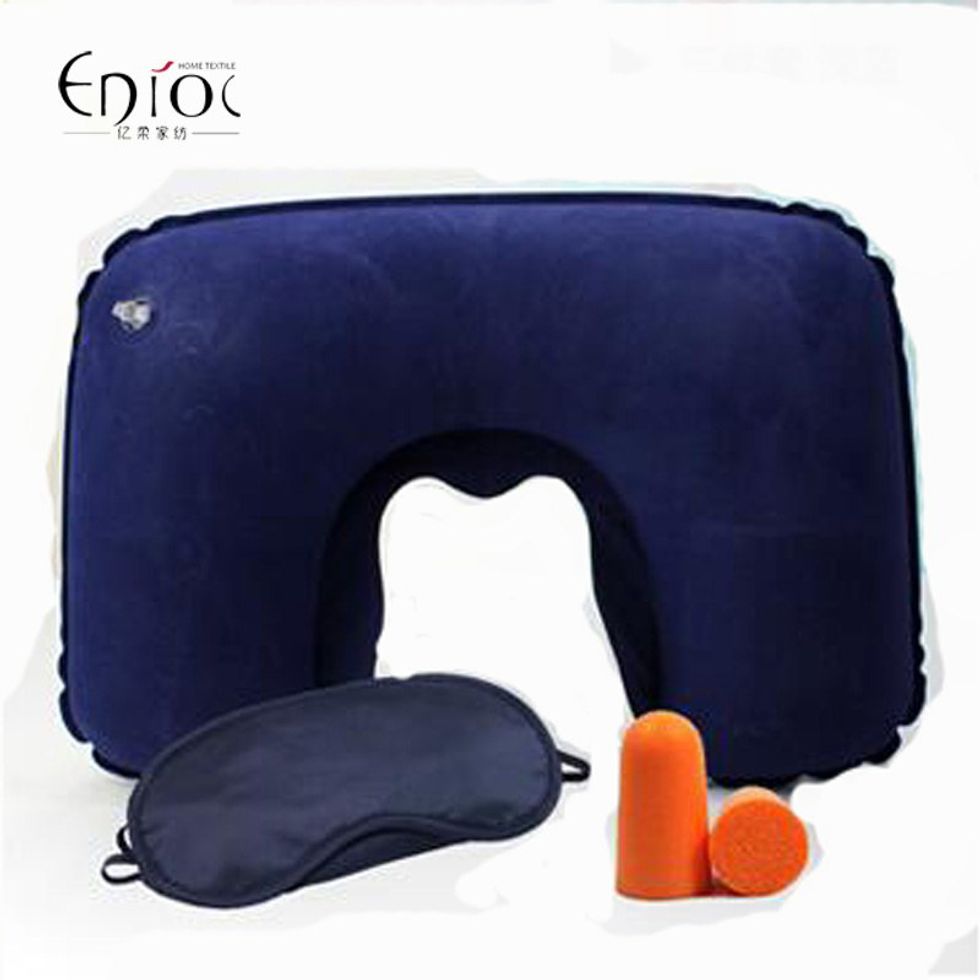
If you are going to a country that is far away, you will likely be traveling for a long time until you see an actual bed. Bringing items like a small pillow, blind fold, and ear plugs can certainly make the difference in your plane or train experience. I would also recommend hand sanitizer, face wash, and a toothbrush. They can help you freshen up and feel clean after traveling for long periods of time.
5. Take lots of pictures!
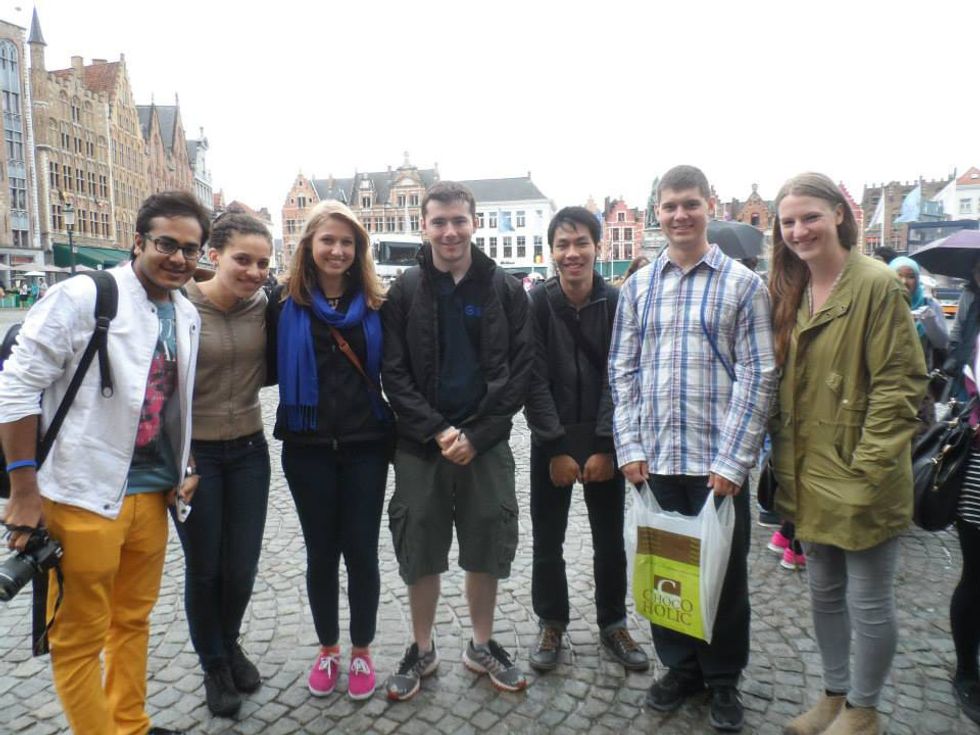
Even though you will stick out as a tourist like a sore thumb, the pictures you take on the trip will become treasures to you when looking back. One photo can cause all of the wonderful memories to come flooding back to you. That being said, don't forget to live in the moment as well.
6. Travel as much as you can.

It is likely that your host school has set up some small, additional side trips for you to go to other countries while you are there... take advantage of them! Also, don't be afraid to grab a couple of new friends and venture out on your own. Train tickets at night are usually way cheaper than the day, so hop on one, sleep while your on the train through the night, and wake up in a new city! Make the most of your study abroad.
7. Don't travel alone.
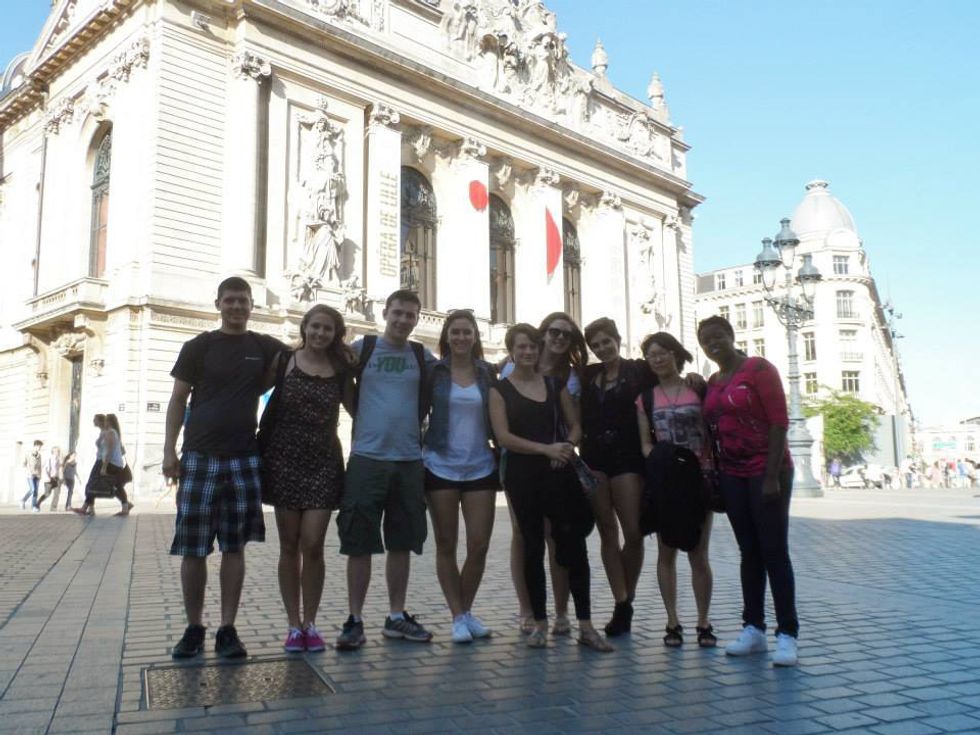
Use the buddy system. In a foreign country, where they speak a different language, it can be easy to get turned around. Without "Google Maps" directing me, I am geographically challenged. While I do speak French, it can still be difficult to communicate and ask for directions. Even if you know where you are going, you should always travel with someone. It's better to be lost with a friend than by yourself. Safety first!
8. Get a travel debit/credit card.
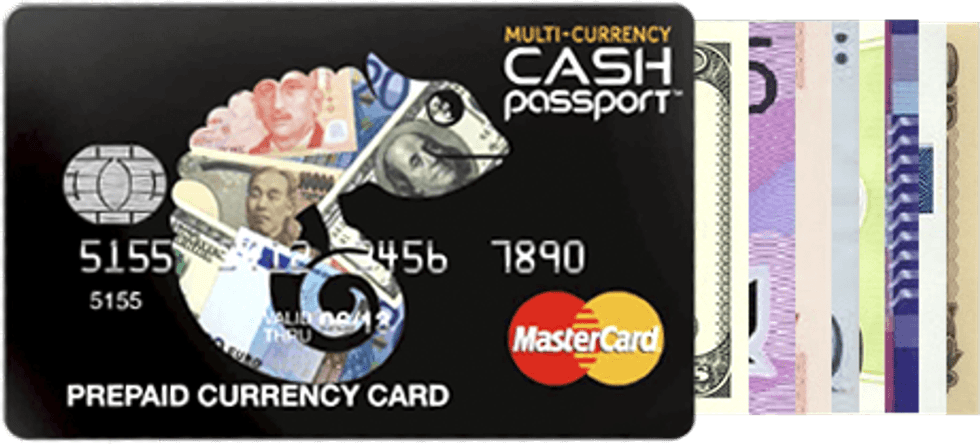
Your bank should have an option to obtain a travel card. I used Cash Passport from US Bank. You should always carry some cash on you, because some gift shops, stores, and taxis do not except credit cards. However, this travel card made it easier to pay for things. I did not have to worry about running out of cash, you just simply had to find an ATM and it worked like a debit card. This is also extremely useful for individuals that plan to travel to many different countries. With a travel card, you do not have to worry about converting money or withdrawing the native county's specific type of currency.
9. Don't forget about actual school.
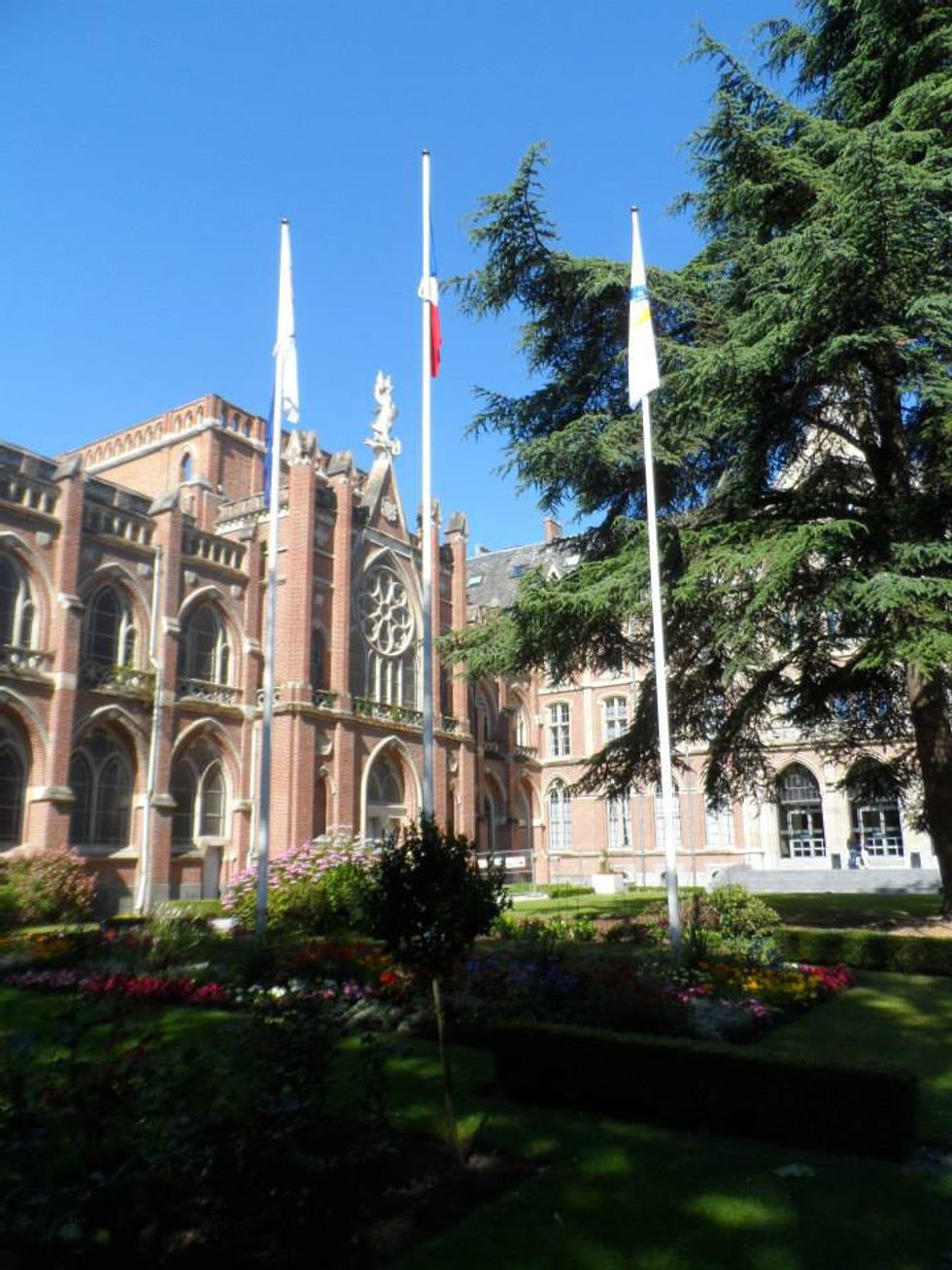
Despite all the fun you are having, you are there to learn. During my study abroad, I had actual classes to attend during the day. Be sure to respect your host professor by showing up and having a positive attitude. I am sure the professor knows you would rather be site seeing or eating pastries, but it is an educational experience as well as a cultural experience.
10. Stay in touch with the people you meet.
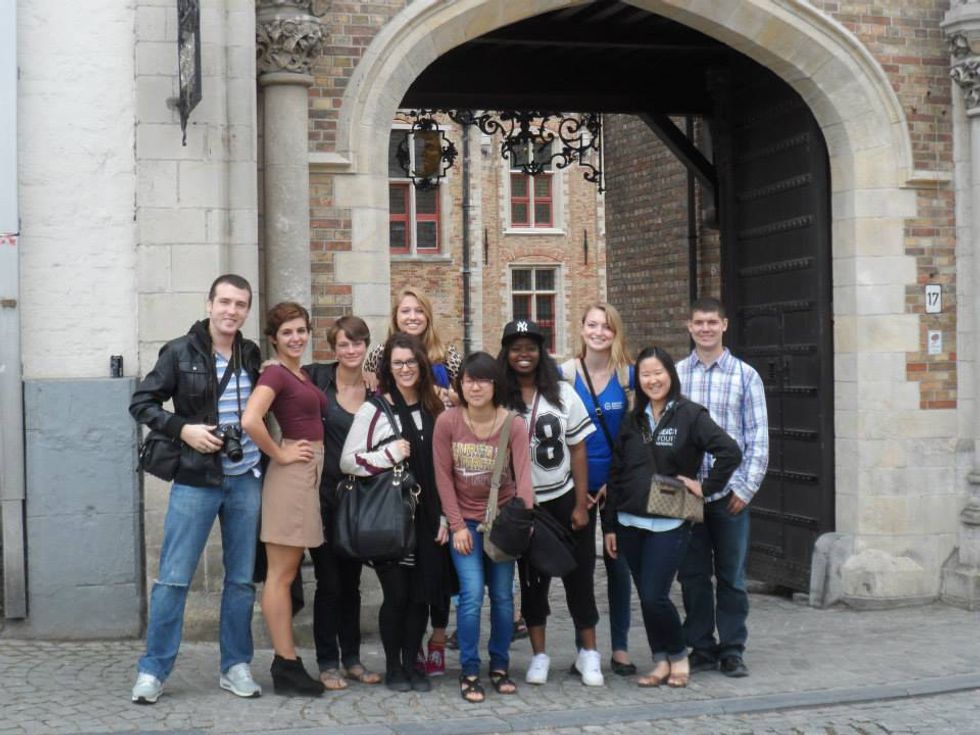
The bonds you make with the people you are with while you are studying abroad will be unique. Timid from being in a new country and over-exhausted from traveling, you all met and stuck together. The memories you have made with these people from all parts of the globe will be truly special. Whether you stay in contact through social media, letters, or visiting each other, you will remember these people for the rest of your lives. Plus, if they live in another country, you can visit them and have place to stay!
The adventures, the friends, and the memories that are guaranteed through a study abroad trip have no price tag. The expensive, cramped flight, the currency exchange, and lugging your suitcase through crowds of people are a small price to pay.
By preparing correctly and keeping a spontaneous, open mind, your study abroad trip will certainly be the experience of a lifetime.