
Winter is upon us, signaling the start of the treacherous snowfall that Michigan provides every year. But whether you’re a veteran of the season or have never driven during the winter before, here are 10 tips to ensure that your experience with the snow is as painless as possible.
1. Do you have enough tread on your tires?
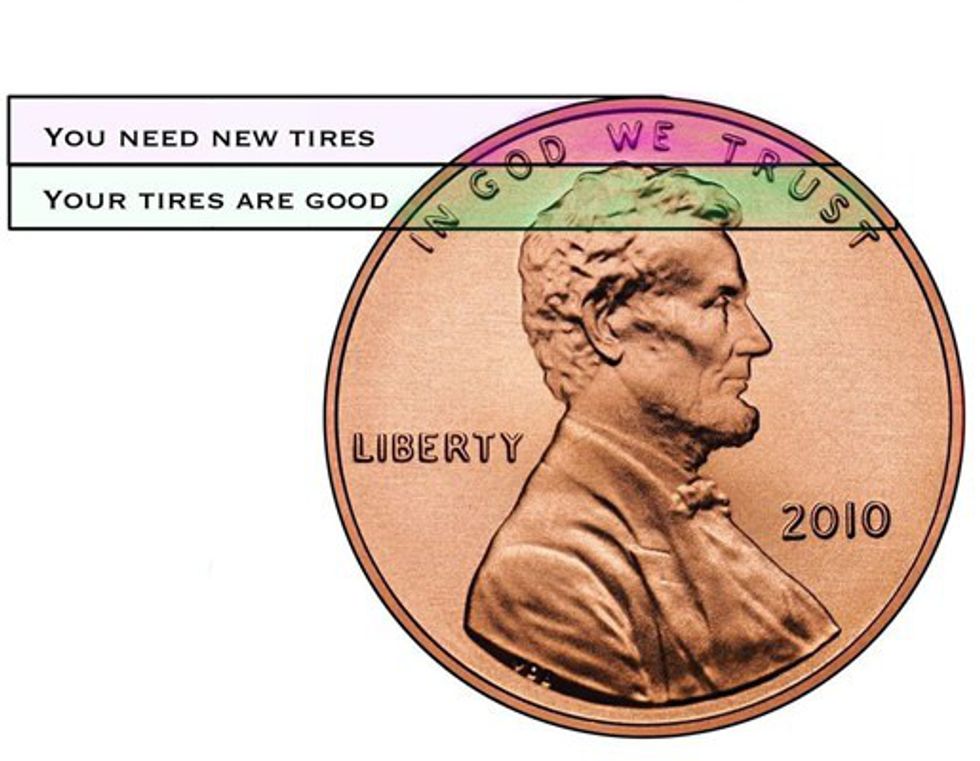
It’s often overlooked but if your tires are balding, it could lead to serious trouble on an icy road. A good way to check if your tires need to be changed is the penny test. Simply insert a penny into your tire’s tread with Lincoln’s head upside down. It’s time to replace your tires if you can see the entirety of Lincoln’s head. Dropping money to buy a new set of tires isn’t fun during the holiday season, but balding tires have less traction on a snow-covered road. This can lead to your car fishtailing or not being able to brake in time.
2. Braking

Driving habits change once snow hits the ground, and one thing to pay attention to is braking. Try to brake lightly and give yourself enough time and distance to slow down. Avoid braking while rounding corners and attempt to slow down on a straight-away. Don’t slam on the brakes as this will cause your car to skid.
3. How to handle a skid
Sometimes hitting a patch of black ice is unavoidable, and your car begins to slide. While stopping on a dime in this situation isn’t possible, a quick tip is to turn your wheel in the opposite direction that the car is sliding. If the front of your car is sliding to the left you want to turn the wheel to the right and vice versa. Never turn the wheel in the direction of the slide as this will cause your car to spin out of control. It’s easy to steer too far and over-correct so you’ll need to turn the wheel in the opposite direction once again.
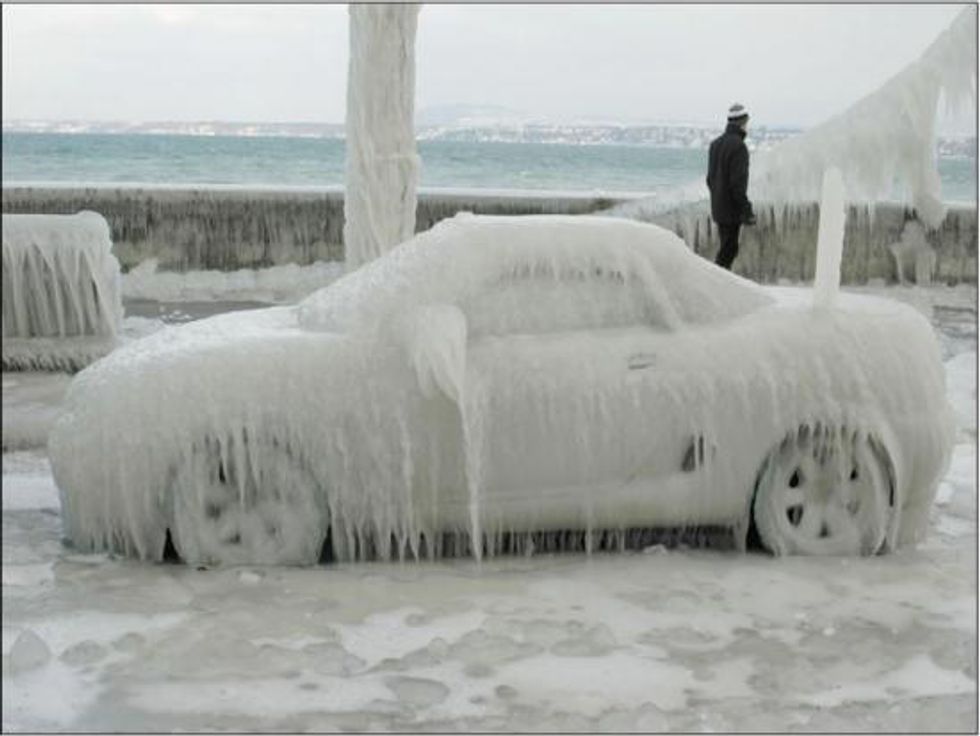
4. Let your car warm up
5. Top up on washer fluid and antifreeze
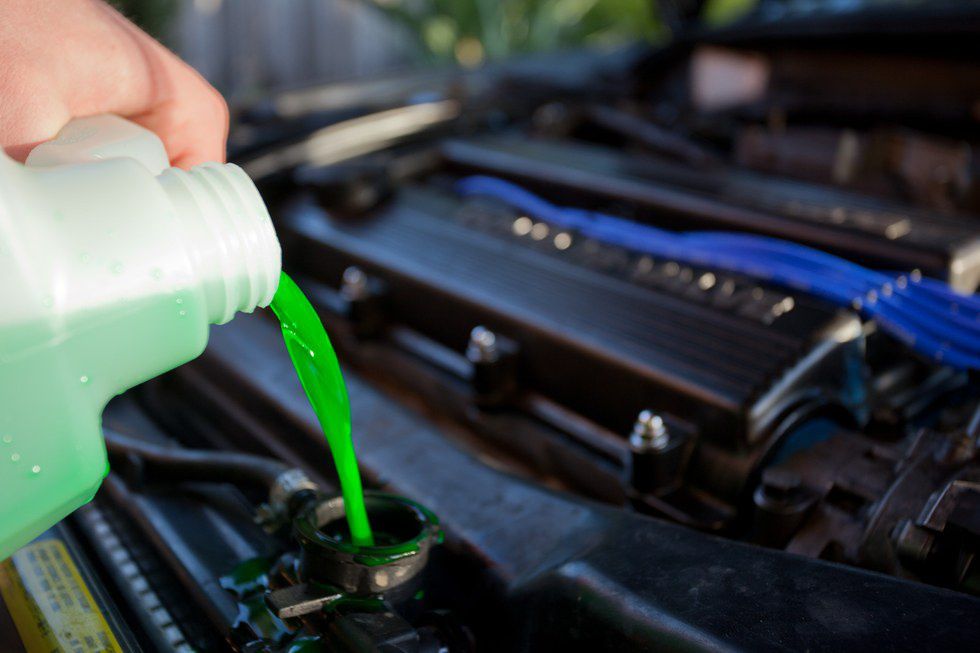
This may seem obvious, but dowsing the front windshield with washer fluid can help you in scraping pesky ice remnants off the car. Topping up on antifreeze also helps the engine operate efficiently regardless of weather conditions. It helps prevent overheating and freezing, which is essential for the sub-zero temperatures that Michigan can reach.
6. Check the battery
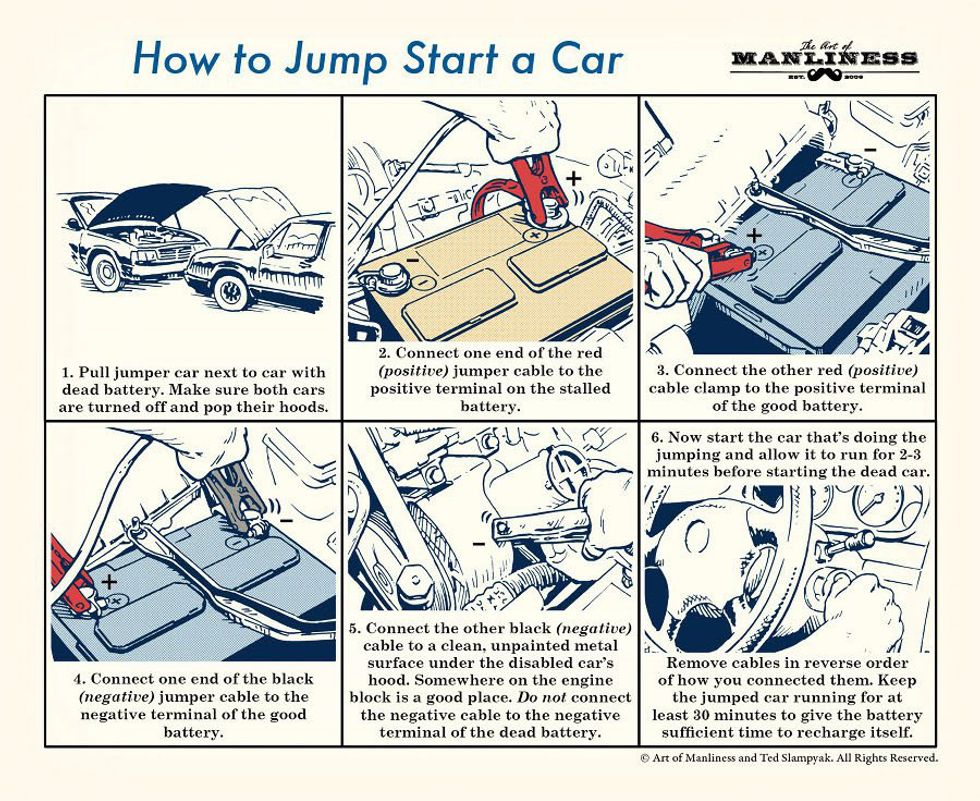
A battery’s power can be reduced because of cold temperatures. Check to make sure there’s a good amount of charge in it before you’re left stranded. Also buy a set of jumper cables in case you need a jump start on the car due to a dead battery.
7. A bag of salt and kitty litter work wonders

If your car gets stuck, having a bag of salt can help melt the patch of ice that your car is stuck on. Because of its slick surface, your tires can’t get any traction and will continually spin in place. Don’t try to stomp on the gas pedal to force your way out; the tires aren’t going anywhere. All it will do is burn the rubber and diminish the tread. Having a bag of salt can help melt the ice away and you’ll be able to drive once again. The bag of kitty litter, while not as beneficial as salt, helps your tires gain traction by giving it something to grip onto. If all else fails, having a tow cable can come in handy so that a good samaritan can pull you out without waiting an hour for a tow truck.
8. Bring gloves, a blanket, and an ice scraper
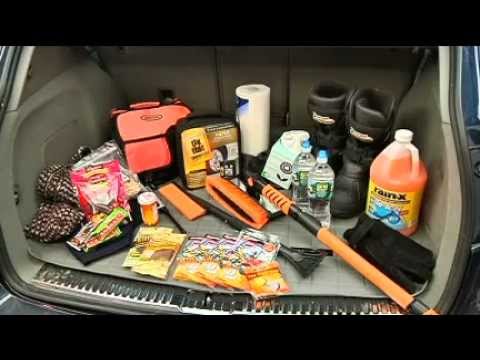
Finding your car buried in snow is bad enough, but attempting to shovel inches off the car with your bare hands? Even with an ice scraper handy, snow will still get on your hands, leading to a burning sensation for a good portion of the drive home. Come prepared, and if you haven’t already done so, buy an ice scraper and a pair of gloves to store away in the backseat until needed. A blanket also never hurts in case you get stranded for a lengthy period of time and have to wait for a tow truck.
9. Keep Your Phone Charged
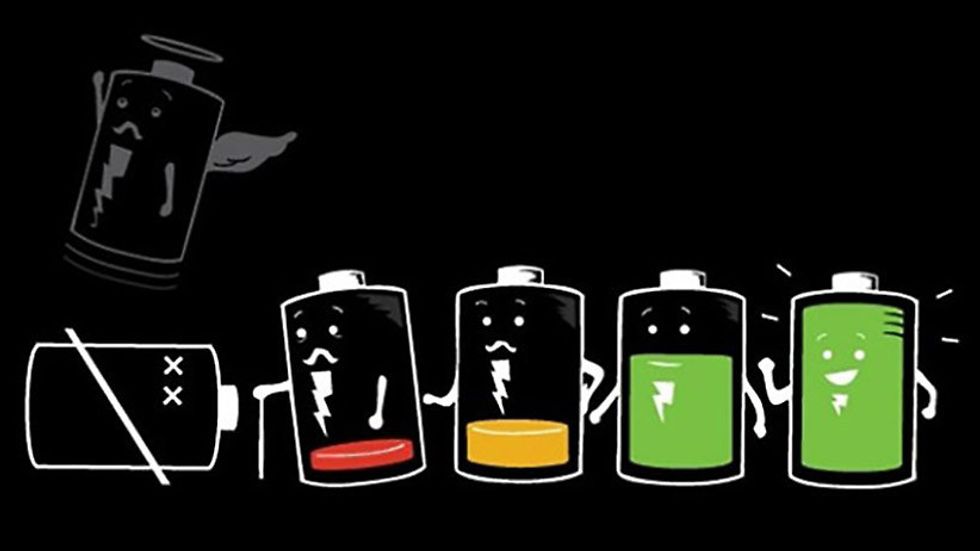
Phones can do a wide variety of things from surfing the Internet to the wide variety of apps that are available for download. One thing that they aren’t capable of doing is maintaining a battery life longer than eight hours. Have a car charger, USB, or auxiliary cable available to charge your phone while driving. It seems trivial, but being stranded and forced to walk to the nearest establishment to use their phone isn’t an ideal situation.
10. Leave early

Give yourself enough time to get to your destination without recklessly driving. A good rule of thumb is to leave 15 to 20 minutes earlier than normal to make up for the reduced speed on the road.