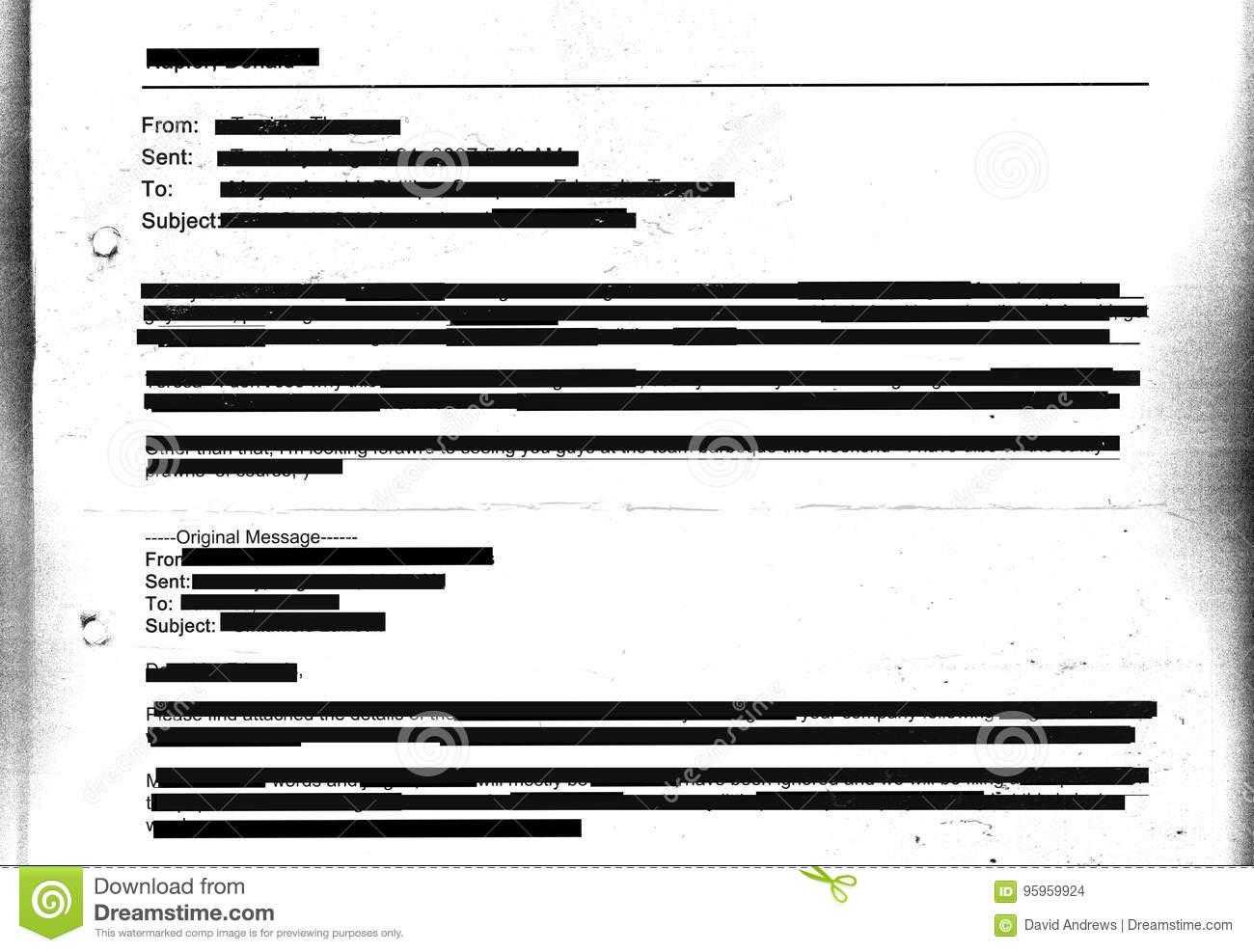
Types of Redaction
There are many different types of redaction, each with its own benefits and drawbacks.
The most common type of redaction is the black marker pen. Black ink is difficult to see on most photocopies, so this method is generally used for protecting the identity of people or information that should not be made public. However, black ink can be easily removed by a photocopy machine, so this type of redaction is not always reliable.
A less common type of redaction is the whiteout pen. This pen leaves a light yellow or white mark on paper that can be difficult to see when photocopying. Whiteout pens are often preferred for sensitive information, such as the names of witnesses in a criminal trial, because they cannot be copied and they remain visible on copies created from digital images.
Another type of redaction is the blue ball point pen. Blue ink is difficult to see under most lighting conditions, which makes it a good choice for protecting the identities of undercover police officers or confidential sources. However, blue ink also remains legible on photocopies made from digital images, so this type of redaction may not be adequate for all situations.
Each type of redaction has its own set of pros and cons. It's important to choose an appropriate redaction tool for the specific situation at hand so that the information being protected remains confidential and secure.
What are the Benefits of Using a Redactor?
There are many benefits to using a redactor. Some of the most common reasons include:
1. Redacting sensitive or confidential information is a critical part of protecting your organization from potential legal liability.
2. Redacting sensitive information can help protect your employees from embarrassment and potential negative consequences, such as job loss or poor performance reviews.
3. Redacting sensitive information can keep business secrets safe from competitors or unauthorized individuals.
4. Redacted information can be easily restored if it must be disclosed in the future for legal or security reasons.
How to Choose the Right Redactor for Your Needs
When it comes to redacting sensitive information, there are a few different tools to choose from. Depending on the specific needs of your project, one might be better than another.
The two most common types of redaction tools are optical character recognition (OCR) and transcription. Both have their pros and cons, so it’s important to decide which one is best for your specific project.
One downside of OCR is that it can be slow and error-prone. Transcription, on the other hand, is fast but can sometimes produce inaccurate results. It’s also important to keep in mind that transcription won’t always catch all possible typos or misspellings.
Another option is a software that automatically detects and removes sensitive words or phrases. This type of tool is usually more accurate than either OCR or transcription, but it can take some time to set up correctly.
Conclusion
As a blogger, it's important to protect your identity and keep your personal information private. That's where a good redaction tool comes in handy; by removing certain identifying information from a picture or document, you can ensure that it remains confidential. There are plenty of options available, so be sure to investigate different ones before settling on the one that is best for you.