
Harem, shoujo, shounen, Slice-of-life.
Long ago (about 50 years), Japanese culture lived in relative obscurity, safe from the consumerist ways of America. Then everything changed when Westernization attacked. In the 1970s and 80s, the United States began to import Japanese goods like crazy and with Japan came anime. Only the Weeaboo, master of all four genres could stop the west, and uphold the purity of the anime that they had come to treasure.
Or that’s what they thought.
On this installment of What Anime Taught Me, we are going to dive into the mysterious, and ineffective ways of anime friendship. American culture really stresses a need for independence, it’s almost an obsession in media. But humans are social animals, and we can always do more together than separately. Friendship is one of those things that you don’t want to admit to worrying about but everybody has those thoughts.
I wish I had more friends.
I need friends I can do [insert activity here] with.
None of my friends shoot lasers from their fingertips and that’s really a problem.
It’s perfectly fine to worry about friendship, as long as you recognize that anime friendships are the best.
1. Friends always stick up for their friends, no matter what.
Did your friend just curve someone and break their heart? Is your friend accidentally responsible for the death of someone’s father? Are you being cornered in the girls’ bathroom by a nondescript group of tertiary characters that are trying to destroy you and your friendship? Well none of that matters! You have your friend’s back no matter what. It doesn’t matter that you have only been friends for a couple of months. It’s not important that your friend actually did kill that guy’s father. It was probably an accident because your friend is the greatest person you’ve ever met and you would lie for them at the witness stand with your life on the line because that is how powerful your friendship is.
2. Friends should always three steps ahead of you.
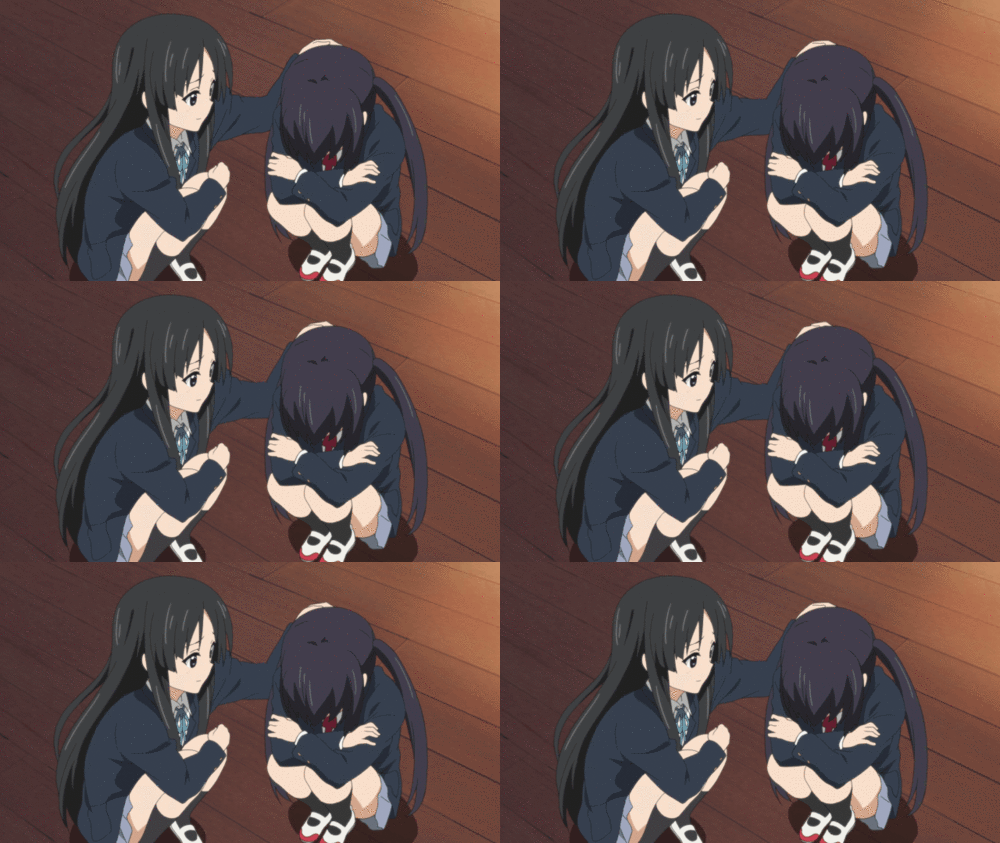
Somehow in anime, friends are there when the protagonist needs them, or they know what our hero needs before they do. If you are walking home in the early evening and you really want to talk to somebody but don’t want to be a bother as soon as you turn onto your block, your friend will be there standing in front of your house. Anime friendships are way better than actual friendships because you don’t have to worry about awkward silences when one of you is upset. Before you even tell them the problem, an anime friend has the answers along with a well thought out motivational speech about how great you are.
3. Friendship lasts forever
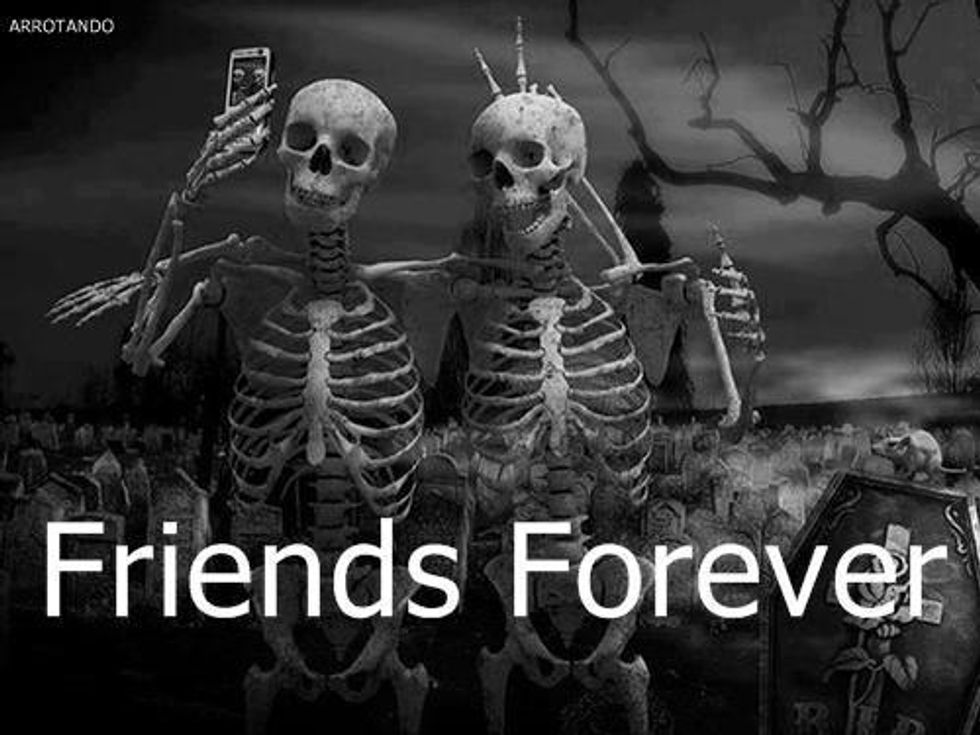
There are only two ways to end a friendship: betrayal or death. People do not stop being friends in anime. Even if it fifteen years after the time when they knew each other, somehow characters can still come back together like they’ve been chilling this whole time.
If you are watching an anime and the main character has a childhood friend there are three ways this situation can play out. 1) The BFF betrays them in pursuit of a twisted goal, 2) the best friend is in love with the MC and is trying to spend the rest of their life with them, or 3) the best friend is going to die, traumatizing the protagonist and the memory of that friend is going to haunt them every time they take a step closer to their goals. Or some combination of the three.
And betrayal doesn’t really end it. In the Judas’s last moments they’ll have a touching exchange with the main character that lets them know that their old friend is still in their somewhere.
4. Friendship is complicated
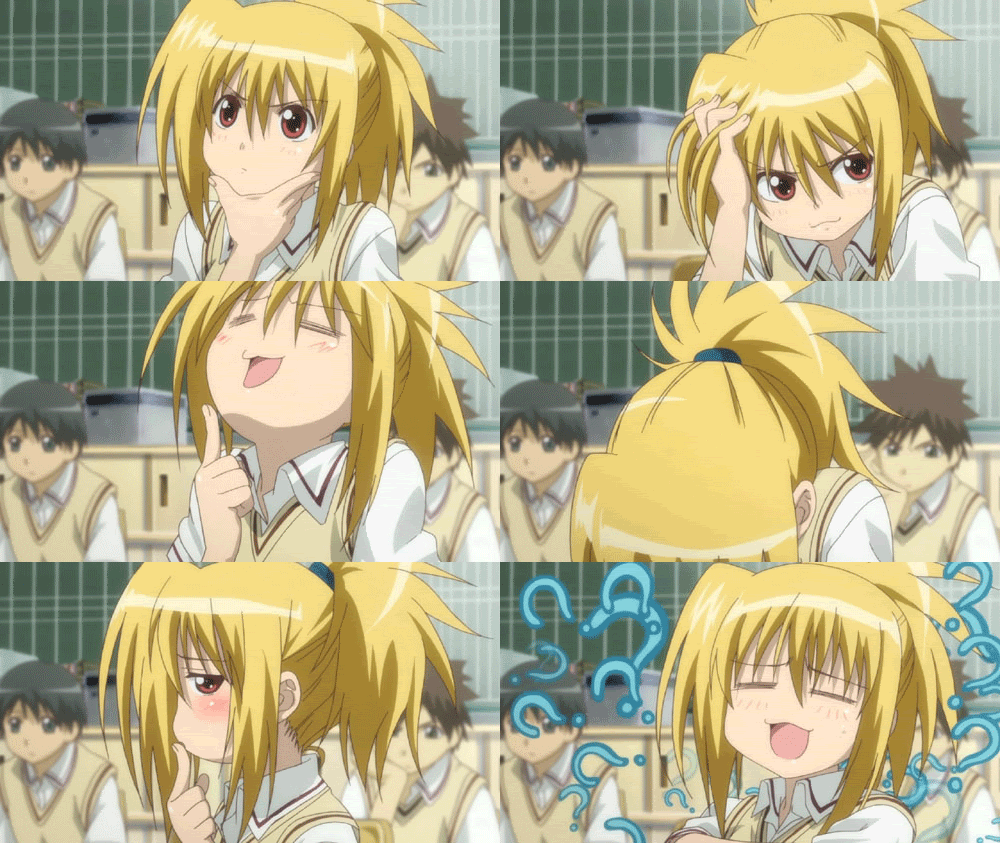
One critical thing that you figure out in anime is that people are different, and that means that the way they approach friendship is different. It’s not uncommon for an extroverted, upbeat character being best friends with a cynical, introverted person. And it is not unusual for them to come into conflict because of their opposite personalities. Even so, they always strive to understand each other and to resolve their problems the best way that each of them knows how. Along the way they learn to better understand their friends’ needs and they use that to improve their bond in the future.