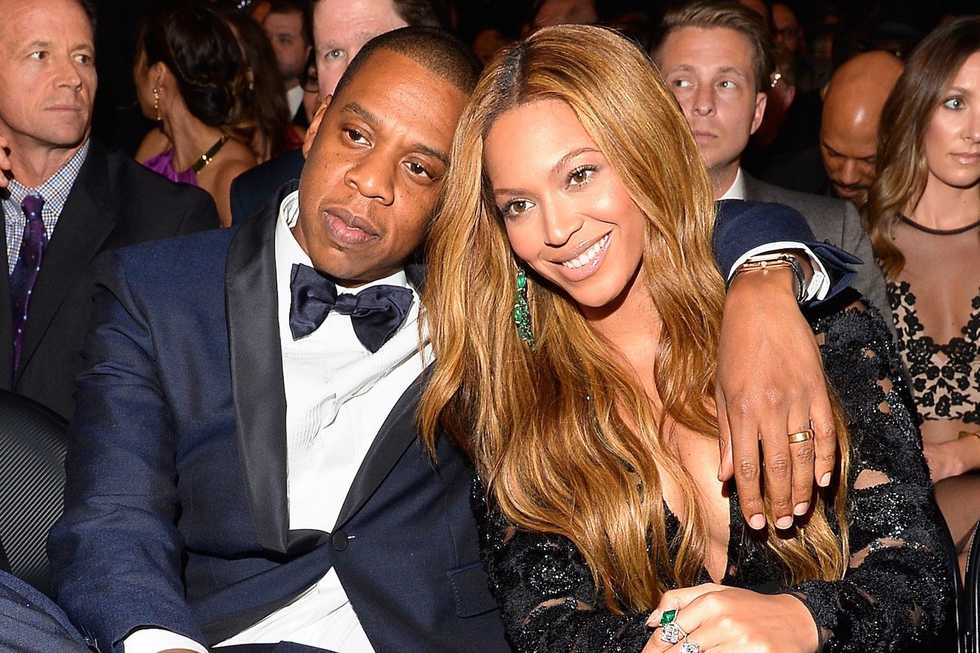
Blue Ivy Carter opens the final track of 4:44 with a simple question: “Daddy, what’s a will?” The song then dips into a sampled version of Donny Hathaway’s song “Someday We’ll All Be Free” which serves as both the theme and beat of the song. Throughout 4:44, Jay-Z raps about his personal life with unrelenting passion and detail. It is a far cry from his previous endeavors like 2009’s Blueprint 3 or 2013’s Magna Carta Holy Grail. In both of those albums, Jay-Z’s primary focus were raps that highlighted how much money he had made and the extravagant lifestyle he was able to create for himself. No doubt, for someone who grew up in New York City at the peak of the drug epidemic and to be able to tell the tale is an accomplishment. To go from running drugs to one of the richest people on the planet is a feat that is nothing short of awe-inspiring. Jay-Z has obviously earned his right to talk exclusively about his riches. However, until the release of 4:44, Jay-Z’s lyrics lacked any sense of retrospection or moving towards the future.
4:44 revolves around Jay-Z’s realization that he needs to be looking towards his future. In marrying Beyonce, he only treated her as a trophy wife and did not particularly care for her like a husband should. In this way, Jay-Z’s immaturity as a husband, despite being much older than Beyonce, becomes evident. It takes the birth of his first child and the miracle of his twin children to realize that he must change his ways so that his legacy becomes more than himself. As for all people with children, the legacy that is left for the world ends up being their children. The people those children become are heavily influenced by the people their parents are because children do and say what they see and hear.
Arguably, as Jay-Z cheated on Beyonce multiple times, he is perhaps given too much leeway because of his celebrity status. Any normal person would have long since lost their opportunity to be around their children given their infidelity. There would be an intense amount of scrutiny if Jay-Z and Beyonce were to end their marriage. However, they appear to have agreed that staying together and trying to work things out makes the most sense. As a result, both Lemonade and 4:44 are the couple repairing their relationship in the public eye. 4:44 specifically deals with both Jay-Z’s infidelity and the larger case of how his legacy will take ship as he approaches billionaire status.
The final song of the album, appropriately titled “Legacy”, deals with the issue of creating a lasting legacy not only for Jay-Z himself, but for other people of color, who can go about creating their own legacies as well. The juxtaposition that Jay-Z utilizes between his own lyrics and the chorus of the sample highlights that money is the key to freedom. Whoever owns the most capital can be absolved of even the greatest of sins, such as infidelity. Similarly, wealth insulates one from the base racism that still pervades society and is becoming more and more prominent as the days go on. While Jay-Z’s point may be somewhat cynical, the purpose of creating generational wealth is to put people of color on the same track as white people. The richest people in the world are either white or European, and the constant oppression of black people across the world has prevented them from reaching their potential. It is perhaps the greatest travesty the world has ever seen. As such, Jay-Z’s lyrics become a certain kind of inspiring as he aspires to create an empire that one day his children will inherit, and how they use the wealth will in turn affect the opportunities for other people of color. Indeed, the choice of sample was excellent, as it indicates that one day, freedom from restriction will come for all people of color.