
The term “Afrofuturism” was coined by Mark Dery in his essay Black to the Future, in which he states Afrofuturism is a “Speculative fiction that treats African-American themes and addresses African-American concerns in the context of twentieth-century technoculture—and, more generally, African American signification that appropriates images of technology and a prosthetically enhanced future...Dealing with racism and alienation in the context of the genre fiction.” (Dery, p 180)
He goes on to interview many different artists on their views and definition of the term. Afrofuturism in simpler terms is basically how Black people view themselves as what could have been without the atrocities of slavery and colonization or what is to come in the future for the community.
The idea of Afrofuturism has become increasingly popular in the past few years due to its influence in music and film. For example artist Janelle Monae uses Afrofuturism to make her music videos aesthetically pleasing while also conveying her message, for example, her new music video Django Jane screams Afrofuturism but South African artist Spook Mambato has been using Afrofuturism in his music for years.
And of course the popular film “Black Panther”(2018) is the embodiment of Afrofuturism, Wakanda is seen as what Africa could’ve been without the destruction of colonization with all the technological advancements and ownership of their natural resources.
To make this movie there was a use of the culture from different tribes in Africa to create the look for Wakanda while also shedding light on the history of Black people in the United States and the detachment between the two people.
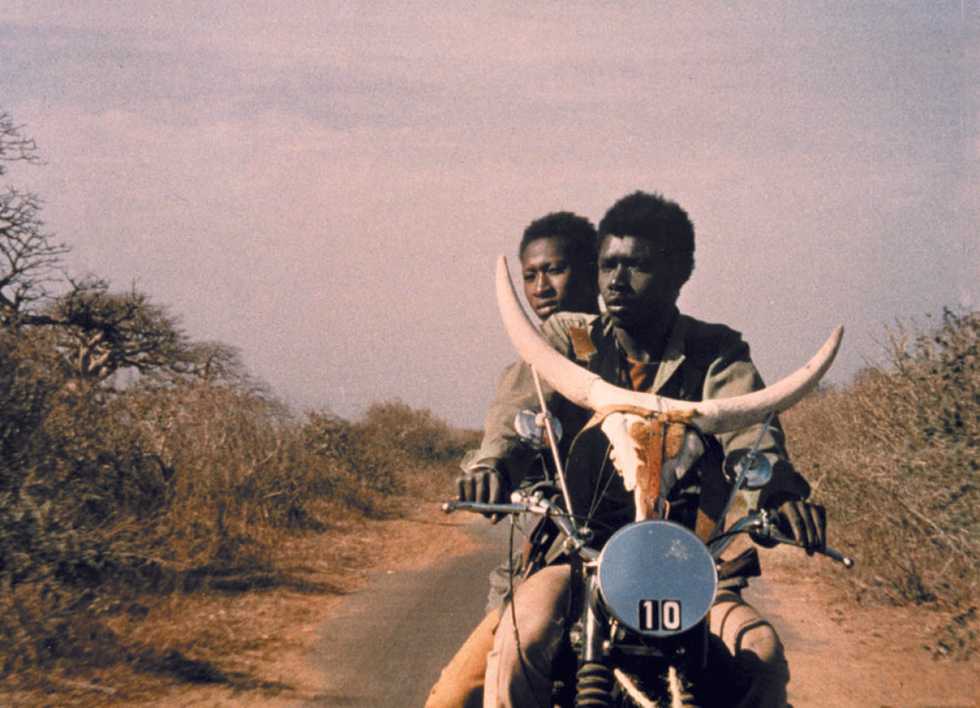
Black Panther, of course, was not the first film to tackle Afrofuturism, Yeelen (1987) created by Malian filmmaker Souleymane Cisse is a film on a man's quest to end his son's quest to become a man. Also, Touki Bouki (1973) created by Senegalese filmmaker Djibril Diop about to and on a quest for a better life because they are tired of the impoverished life they are living.
Also when it comes to fashion there has been a rise in incorporating African fabrics into their designs, many designers have been using African print and science fiction.
Being apart of the diaspora and watching the rise of Afrofuturism and all sides of the diaspora come together to create different artwork that brings unity. I believe that the popularity of this film and the different artists are opening up doors for different artists to publish their artwork.
















