

Today, the world is progressing at a fast pace making noticeable developments in almost every field. People and society are believed to have become less regressive compared to their ancestors. However, certain aspects of the society like gender equality are yet to see the sunlight. The idea of sexism is still prevalent around us and even many movements and campaigns to eradicate this social evil has not been proved to do its job well.
In today's media and especially advertising is seen to have manifested sexist nature. Advertisements primarily reflect the common mindset of society, keep us engaged and leave a long-lasting impact on us. Generally, ads are made to help the consumers in making decisions regarding which products and services to buy. For this, companies use appealing stories from daily life which can be relatable so that more and more consumers get engaged in their products/services. But looking through these advertisements, the common and most apparent factor one can find in most of them is sexism. Old or new, cheap or expensive, every product that could make a list to consumerism is rife with an ideology that enunciates a sheer demarcation of gender roles, from stereotyping women as housewives or objectifying them or reducing them to merely a submissive position.
Here is a list of few of the top sexist ads of all time:
Protein World – Beach Body:
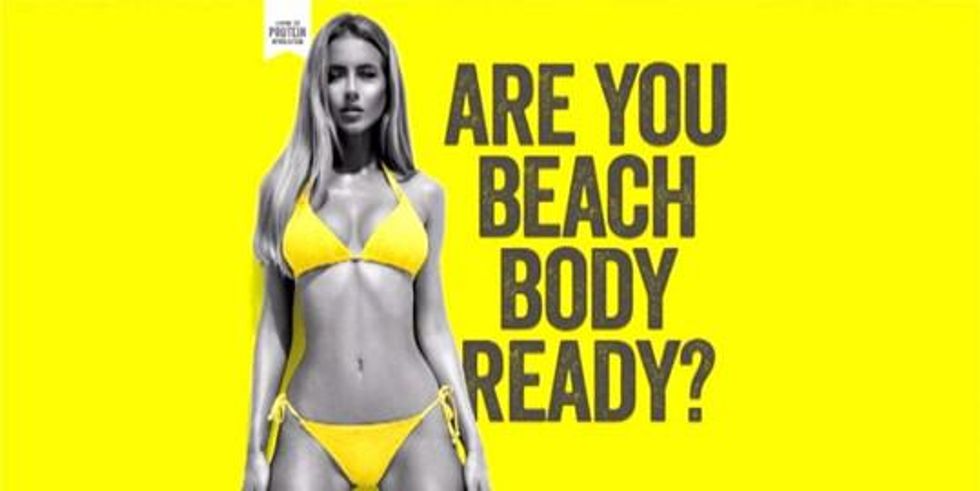
Health supplement supplier Protein World released a beach body campaign in 2015 across London and New York billboards, which displayed a bikini-clad girl with the slogan "Are you beach body ready?" The idea was to promote their supplements to users who wanted the perfect beach body for summer. However, the ad quickly received plenty of backlash via social media and even resulted in many passers-by vandalising and writing over the ad. The issue with this ad campaign was the fact that it promoted "body shaming". Many feminist groups noted that the wording of the ad insinuates that the body in the picture is the only "acceptable" beach body. This means that any other body type not like the one in the picture is "unready". However, despite the backlash from the public the ad received a lot of publicity and press coverage. Protein World went on to make a reported £1 million profit from the £250,000 they spent on the advertising campaign. Although it caused a lot of controversy around the world, it somehow still managed to boost the company's sales.
Boden:
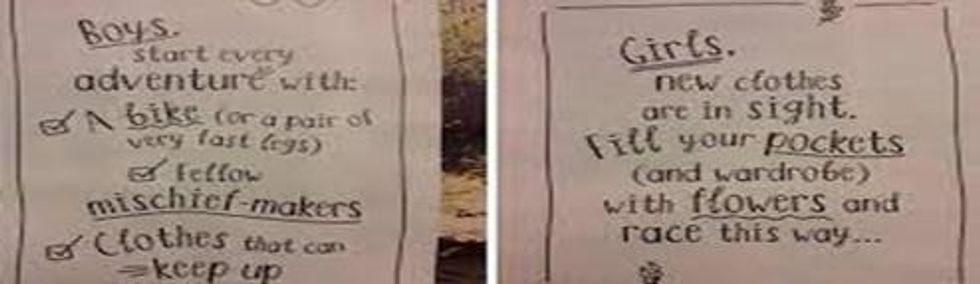
Clothing company Boden was forced to apologise after a wave of online criticism over text printed in its Mini Boden catalogue. The campaign suggested that boys like adventure, bikes and mischief, and need clothes to match their active lifestyles, while girls need pockets so they can fill them with flowers. Responding to the backlash Boden responded saying, "We're so sorry for blotting our copybook in such style. While it wasn't our intention to ever stereotype the roles of boys and girls, we probably over-egged things a little here."
Weyenberg Massagic shoes:
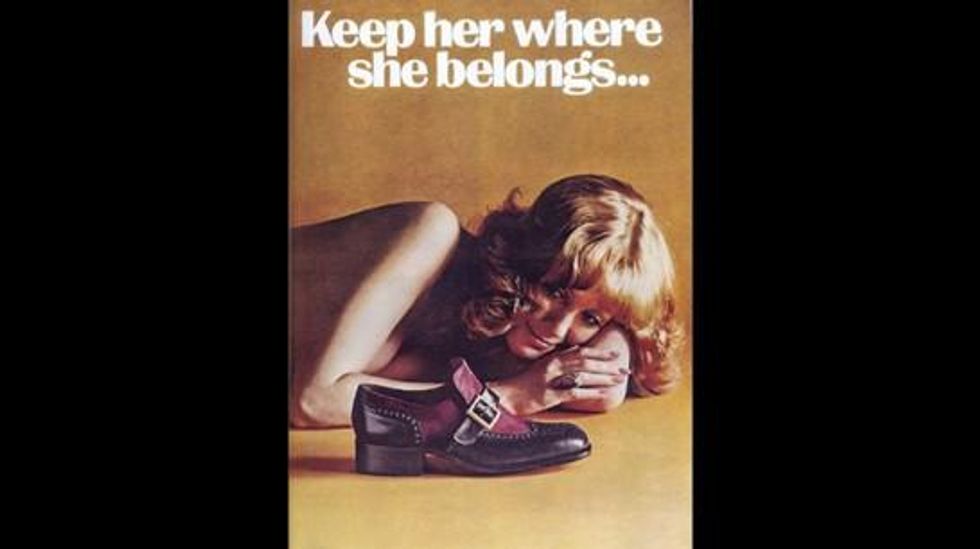
A 1970s ad featured in Playboy magazine shows a beautiful, bare-breasted woman lying on the floor gazing at a man's shoe. The slogan reads: "Keep her where she belongs ..."In this ad, the lady appears to appeal men and provides sexual attraction. It implies how women were often objectified andwere considered only good for appeasing men's desires. The slogan that was used along with her lying next to the shoe indicates that women should be kept beneath men, as if she is a pet or a possession to them.
Pepe Jeans - "Give Your Kid a Makeover":
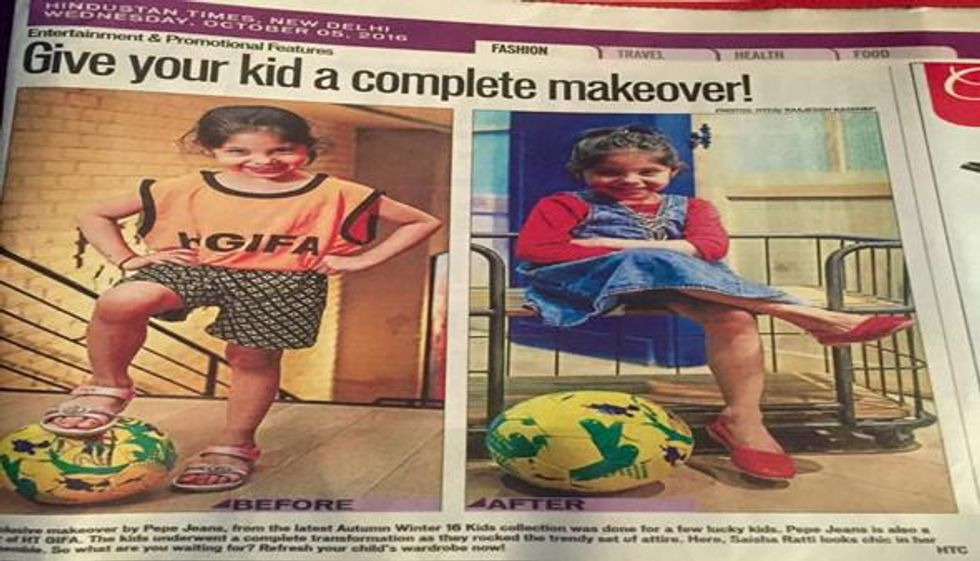
This ad proclaims, as it depicts a young girl initially dressed in conventionally 'masculine' clothes and posing 'unladylike", and post-makeover, in 'feminine' clothes appearing dainty and soft. This ad specially, showcasing a child and giving the messageof femininity and beauty imposed on a kid this young shows how deep patriarchal conditioning goes and how severely it needs to be questioned.
Alcoa Aluminium - "You mean a woman can open it?":
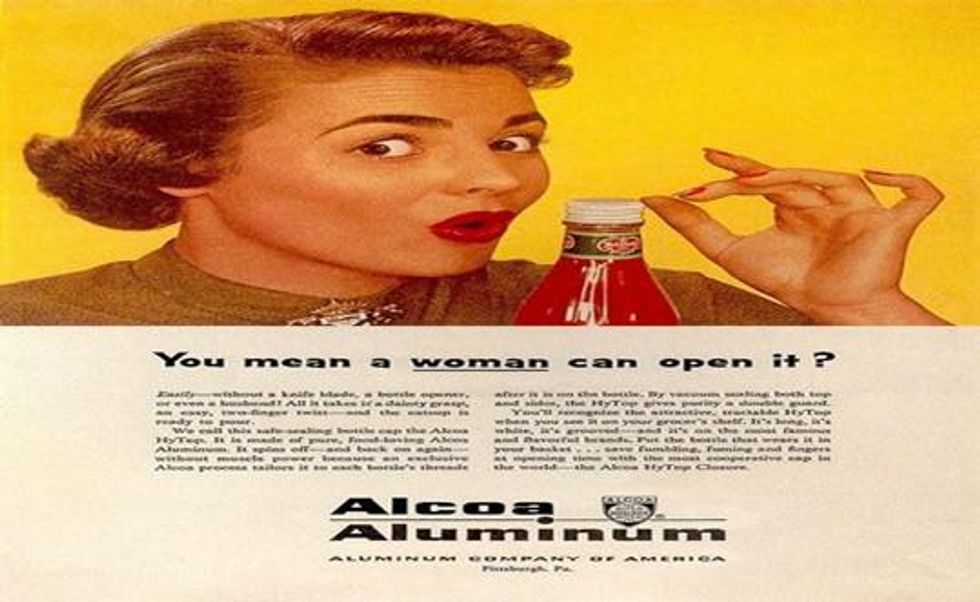
The 1953 ad for HyTop twist-off bottle cap created by Alcoa Aluminium ran accompanied by the text: "Easily—without a knife blade, a bottle opener, or even a husband!". The advertisement features a woman wearing red lipstick and looking at the reader while holding a Del Monte ketchup bottle with the appearance of being about to open it with a tagline – ""You mean a woman can open it?". This ad is one of the most criticized ads as it is often viewed as a symbol of sexism in 1950s US and more specifically of social stereotypes emblematic of the "Mad Men" era.
Jack and Jones:
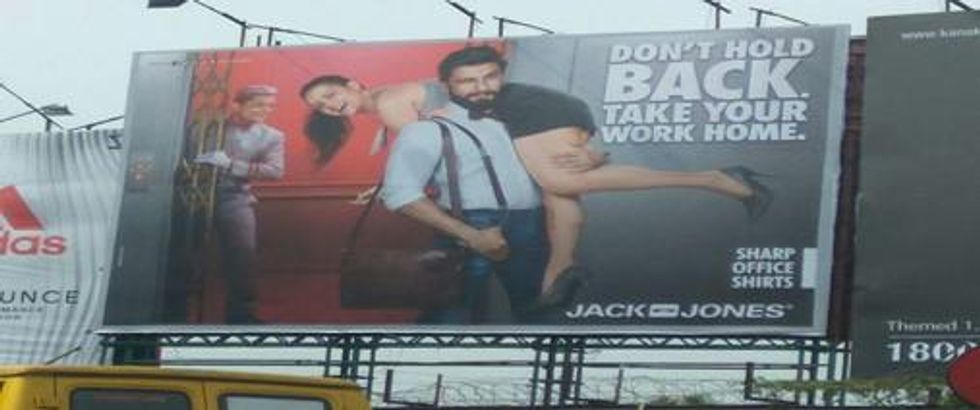
Jack and Jones billboard ad for sharp office shirts was called out for objectifying women and normalising sexual harassment in the workplace, an issue most women grapple around the world. On top of it, having a leading face of Ranveer Singh on it added to disaster. Ranveer Singh later issued an apology and the billboard was taken down.
Usha sewing machine - 'Train her to be an ideal housewife':
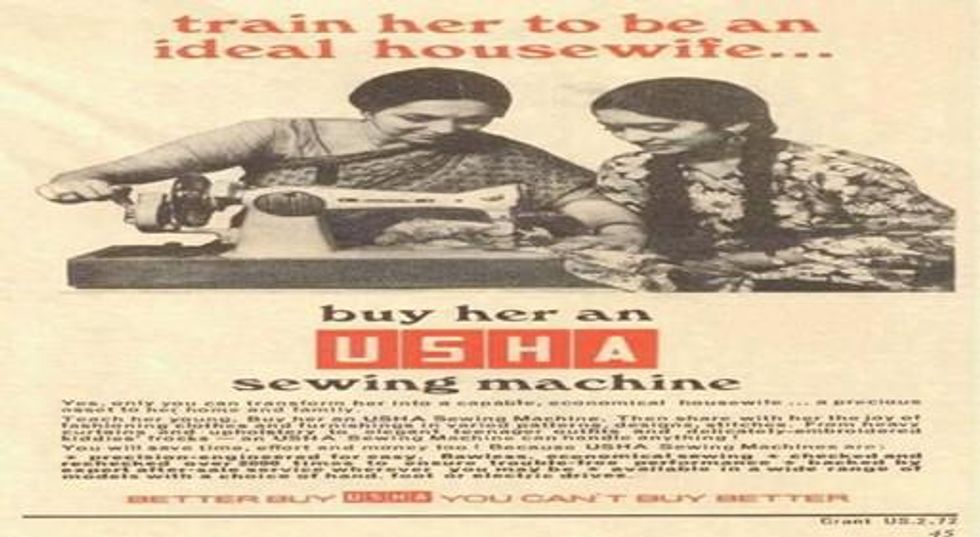
This ad shows a girl learning how to sew from her mother. In India, owing to the patriarchal society, a woman's biggest achievement has always been considered as being an ideal housewife who knows how to cook, wash, sew, and do all other household chores. It has time and again been shown that the onus of taking care of a family and keeping them happy is the sole objective of womanhood. This ad was published during the 1980s but is still considered one of the sexist ads of all time.
Advertising is a medium that has a widespread reach. Advertisers need to be careful and responsible about portraying sexism on such platforms as it gives a wrong message to the world which is already fighting for women and their place. It is high time to change the outlook and not just participate in women empowerment campaigns, but also bring about the change within.














