
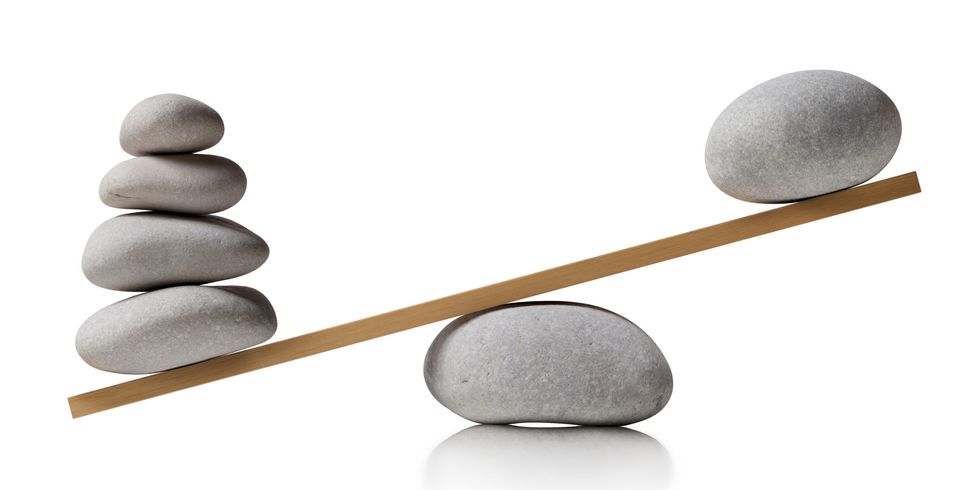
Luck and skill are two different variables when it comes to dealing with sports or careers. Luck revolves around probability and chance, while skill is a variable that involves the amount of time spent, talent, and dedication that an individual or group of people may possess. When dealing with luck and skill, one needs to understand that both go hand in hand when it comes to the big picture.
In the grand scheme of things, skill is more prevalent than luck. The chance of being successful is higher with a larger skill set than solely relying on getting a lucky break. However, it's possible for luck to be a bigger factor than skill, especially with things such as gambling.
On the other hand, careers are a good example where acquiring a lot of skills comes in handy. Careers revolve around an individual having a lot of knowledge and experience, so while they're expected to meet certain standards within a given period of time, luck isn't completely thrown out the window.
Luck

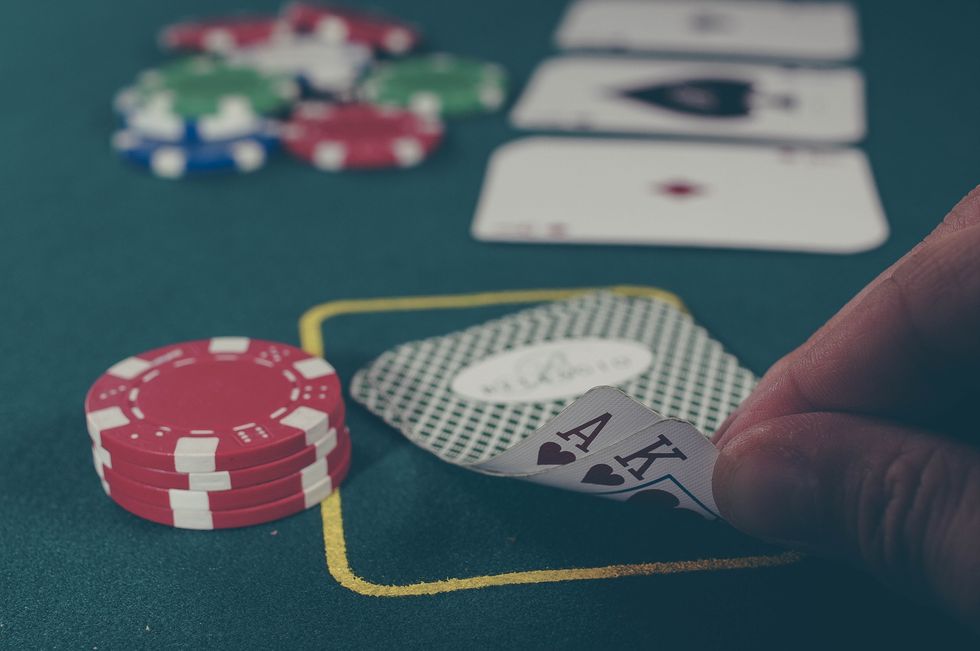
An individual looking at his poker hand (Source: www.unsplash.com)
Times where luck is a large factor are mostly activities that require a lot of chance. The most prevalent cases of chance are from gambling and video games. Gambling is the art of betting against the odds of losing by playing a machine with set variables and mechanisms that ensure the player feels they have a strong probability of winning.
This type of chance makes the player fall into a gambler’s fallacy, which causes a person to believe that an event or a series of events is less likely to happen when it follows another. In other words, if a player continues to play the slot machine or continue to play the lottery, the chances of losing decrease.
A different type of luck found in the casino is where an involvement of skill chimes in, such as playing a card game at the table. For example, the World Series of Poker tournaments require both skill and luck to be successful. In poker, there are a lot of different things that a player needs to think about, such as when is the right time to call or to bluff. Of course, there are many other aspects to poker than the above, but the most common perspective of a newcomer is that the game is all chance. The skill that a player may possess in the game of poker highly affects the outcome of a poker game.
A player may continuously be getting a poor hand in a Texas Hold’em game, but if they're able to pull off bluffs and play their cards right, they can still win. Likewise, in the hands of a newer player, even though they may have a better hand than their opponent, it's possible for them to lose if they don't know how to play. Luck comes in many forms, however it's best to put luck in the analogy within the setting of a casino, since the entities within the casino are either solely based on luck, skill, or a mixture of both.
Skill

A man working on his computer (Source: www.unsplash.com)
In most situations, skills are important to master because they allow people to deal with tough situations more easily, yield better results, and make better decisions overall. When one has a lot of talent, the ceiling at which a certain skill attributes rises, as does the levels of accomplishment of an individual in any given field. When an individual has a high skill level, they should inherently be able to translate high level skill into basic form for other individuals to understand, increasing productivity overall.
In the work force, luck can go both ways in drastic forms. When Facebook was new, it took word of mouth to increase its popularity. There already existed several social media platforms, however, Facebook won out in the field due to its more accessible user interface and overall user preference.
On the other hand, in 2009 when the recession hit, it caused a lot of workers to go out of business, destroying the economy. This is an extreme form of bad luck which involves a large series of events to happen first concerning Wall Street.
Skill comes in many forms, and individuals typically have strengths and weaknesses in a certain field, whether it be a career or a sport. Strengths and weaknesses should typically compliment one another among people so that the work becomes less intense and more enjoyable for everyone.
Luck and Skill

A football player about to toss a football (Source: www.unsplash.com)
Overall, luck and skill are different variables that affect the outcome of events in their own unique ways. Luck is more based on chance and events from the past affecting the events that are from the present or future. Skill is more based on an individual’s talent or ability to react to/understand a situation. They both are prevalent within the real world and are factors that an individual should take into account when considering their options. Luck cannot necessarily be changed by each individual, Hut skill can be learned, practiced, and built up.