I spent much of yesterday cruising through the new season of "Jessica Jones" on Netflix, and I have to say that I was pleasantly surprised that a show with such a female-dominated cast was holding up so well in the comic book realm; a genre that serves a primarily male fan base. And they did this, mind you, without being overly exploitative of their female leads. This, of course, also happened to be a day or two after the news of Black Panther’s box office broke. It really got me thinking about the direction superhero movies are heading.
The Old Trend

There are a lot of opinion writers out there who have been purporting that the days of superhero movies were numbered. “Going the way of the western” they’d say. To be honest, it was looking like they were right. One of the primary issues that caused the downfall of the western genre was the blatant over-saturation of the genre. Last year, there were 7 comic book movies released, along with the addition of at least 3 new television shows and the continuation of those already running. If that’s not over-saturation, then how about this year? In 2018, we are slated for 7 live action movies, 2 animated films, not to mention the continuation of all of the television shows that are already out there.
People, we are reaching critical mass here, and the box offices are showing. While the numbers on that list don’t reflect international box office, sorting the list by date illustrates a slow domestic slide from the days of the first Avengers movie. So who can save us from the demise of the superhero movie?
I’ll tell you this much: It’s not superman answering the call this time.
The Current Trend
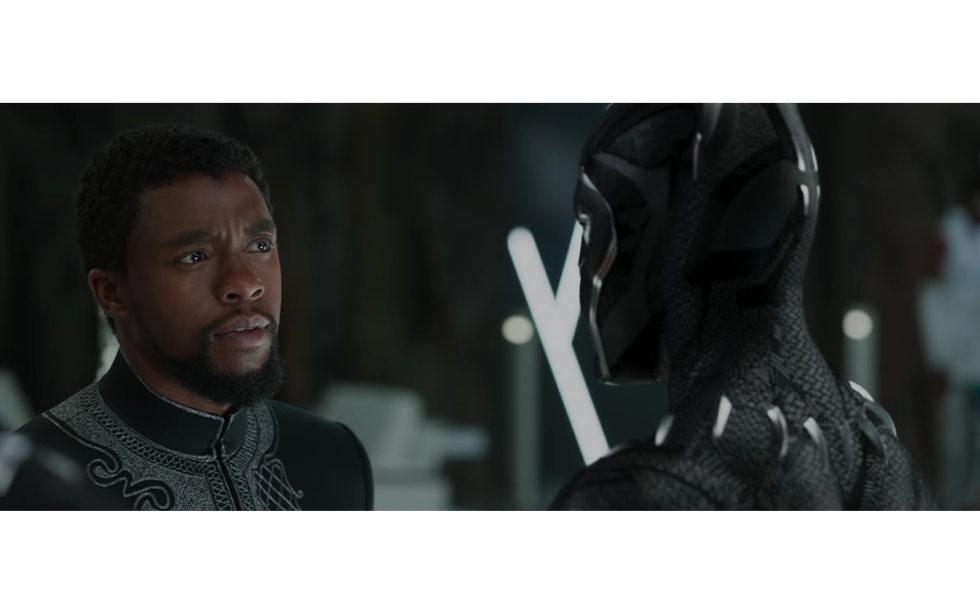
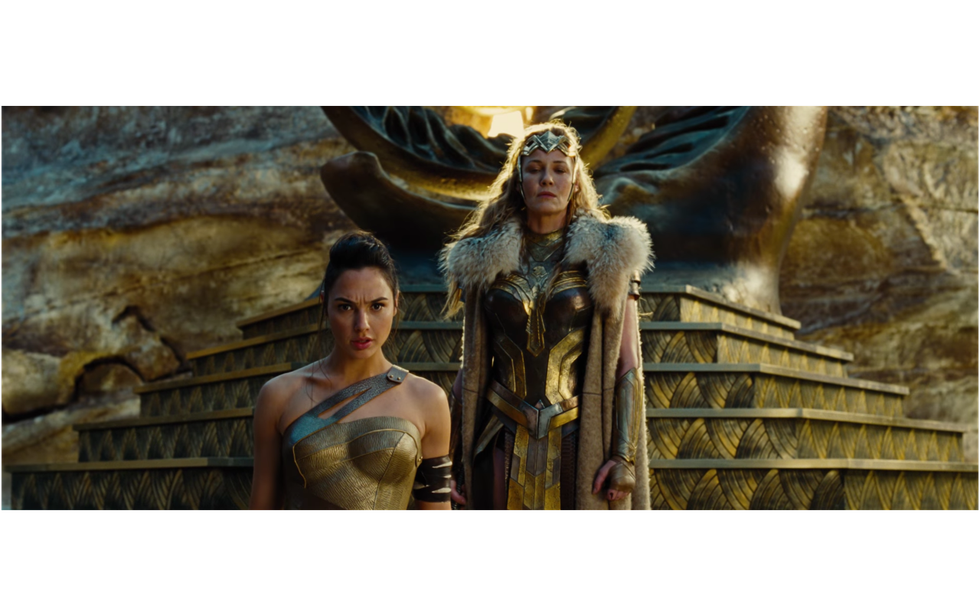 This week was a monumental week for Marvel Studios, as "Black Panther’s" international release sent their revenue souring past the $1 Billion dollar mark. As of today (March 14th), "Black Panther" is sitting as the 18th highest grossing movie of all time as the money keeps rolling in. Only four months ago, "Wonder Woman" crushed the competition with an $8.2 Billion international box office, taking the title of highest grossing superhero origin story of all time. What do these two box office juggernauts have in common? Representation.
When was the last time a superhero movie revolved around a black lead actor? Hancock (2008)? Blade: Trinity (2004)? Black Panther took it a step further, touting an almost entirely black cast and even a setting in an African country. Given the vile political climate that the U.S. is bogged down in lately, Black Panther had every reason to fail but still managed smash records. Likewise, Wonder Woman took a comic book hero who was rather hit or miss in past iterations and took her to record-breaking levels of success.
The beauty of Black Panther and Wonder Woman is the extended audience draw. As with any fandom, there were many superhero fans who were going to see these movies anyway. Black Panther, with its tie into the Marvel Cinematic Universe and the upcoming "Avengers" movie, was always going to do okay by current standards. What these films did, however, was give screen time to parts of our society that felt underrepresented in these films. The films drew in new viewers who, perhaps, had never been to see a superhero movie before but came out in support of these more inclusive titles. They reached out to the under-represented audiences, and it paid off tenfold. While it is worthwhile to celebrate a moral victory of a more inclusive Hollywood, Marvel and Warner Brothers are going to be celebrating the fresh reinforcements that are going to be bolstering their future viewership. Even if only a fraction of Black Panther or Wonder Woman viewers remain, it will be a victory for the audiences and executives alike.
The Future Trend
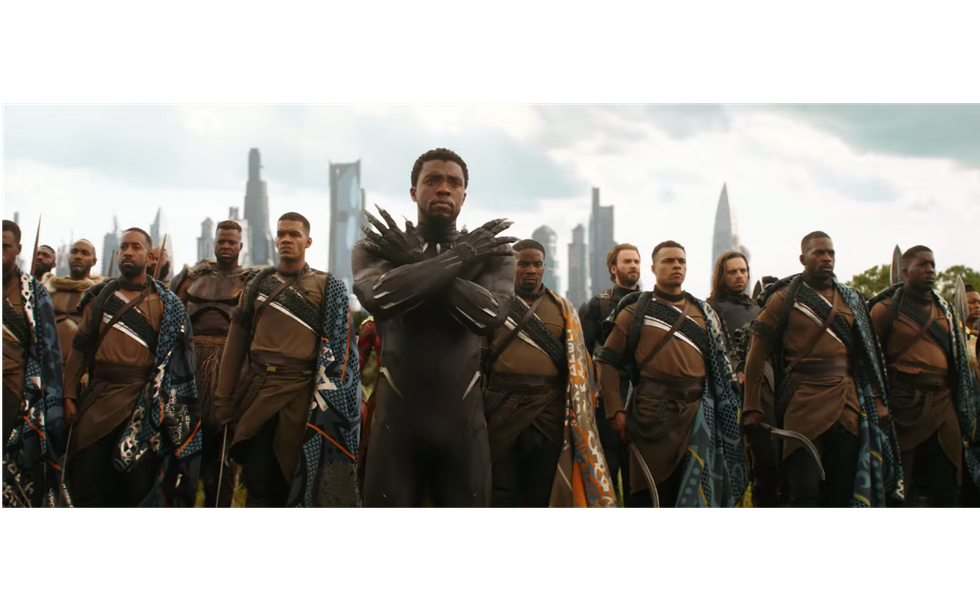
This new trend in superhero films seems promising, but what are the immediate effects we will see?
Obviously, this is going to bolster viewership for the upcoming "Avengers: Infinity War". The advertising already coming out for the film prominently features Black Panther, no doubt in an attempt to link Infinity War’s success to that of Black Panther. Unfortunately, Wonder Woman’s success couldn’t save Justice League from itself, but we are definitely guaranteed to see a huge push for Wonder Woman 2, which is slated for next fall.
What will happen in the distant future? Well, its hard to say but if this tweet chain about the prospect of a Batgirl film is any indication… well, I’d say the future is looking pretty bright.