What are fats? The demonization of the word "fat" in American culture has made it difficult to recieve a proper and thorough education about the different types of dietary fats and their effects on the body. Despite their negative connotation, fats are super important for brain health and other important organ functions. Here is a quick overview of what dietary fats are and what their functions are.
Before we can discuss fats, we first have to look at cholesterol. Carriers known as lipoproteins carry cholesterol between your cells, and there are two main kinds of lipoproteins: Low Density Lipoprotein (LDL) and High Density Lipoprotein (HDL). The level of cholesterol carried by your body's LDL is known as LDL cholesterol, and this is what's commonly referred to as your "bad" cholesterol, and for good reason; this kind of cholesterol contributes to fatty buildups in your arteries, which narrows your arteries and raises your risk of heart attack and stroke. On the flip side, the level of cholesterol carried by your body's HDL is often referred to as your "good" cholesterol. HDL is thought to carry LDL away from your arteries to your liver, where it can be processed and disposed of.
In summary: LDL = "bad" cholesterol, and HDL = "good" cholesterol.
Now that we've covered cholesterol, let's jump into the world of dietary fats!
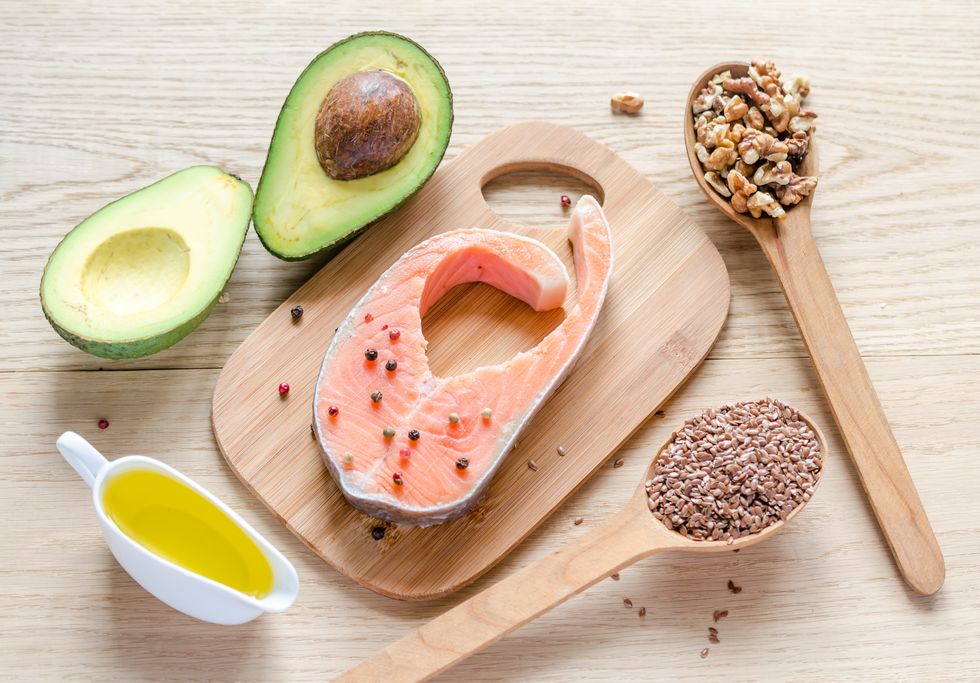
Our first type of fat is the monounsaturated fat. Monounsaturated fats help lower your LDL, and foods with these fats often contain beneficial nutrients and vitamins. These fats should be consumed in moderation, as should all fats, since they are calorically dense. Foods that contain monounsaturated fats include canola oil, peanut oil, olive oil, sesame oil, safflower oil, peanut butter, almonds, hazelnuts, avocados, and various nuts and seeds.
Next up is polyunsaturated fat. These are very similar to monounsaturated fats; the main difference is in the chemical structure of the fat molecules. Polyunsaturated fats also lower your body's LDL cholesterol, and provide many vital fats that your body needs but cannot produce on its own. Again, these fats should be consumed in moderation, as should all fats, since they are calorically dense. Soybean oil, corn oil, sunflower oil, sunflower seeds, walnuts, soybeans, tofu, and flaxseed are all examples of foods that are sources of polyunsaturated fats.
Our next type of fat is saturated fat. These fats raise your body's LDL cholesterol, which can damage your health. The American Heart Association recommends that only 5-6% of your calories should come from saturated fats. Saturated fats occur naturally in many animal products, including lamb, pork, fatty beef, butter, cheese (and other dairy products), and many baked goods. While saturated fats can sound awful and scary, avoid labeling them as 100% evil. Many food products containing saturated fats have lots of nutritional merit, and they should not be avoided simply because they contain saturated fat. It's all about balance!
Our final type of fat is trans fat. There are two types of trans fats: naturally-occurring and artificial (also known as trans fatty acids). Naturally-occurring trans fats appear in small amounts in certain animal products, and have minimal effects on your health. Trans fatty acids, on the other hands, should be avoided at all costs. These fats raise your LDL cholesterol and actually lower your HDL cholesterol, and eating them has been associated with high risk for heart disease, stroke, and type 2 diabetes. Unfortunately, they are found in many foods, like most fried foods and many baked goods. Any product with "partially hydrogenated oils". Out of all the dietary fats, this one should be avoided at all times.
There you have it - a quick overview of common dietary fats and their effects on your body. Keep this quick guide handy the next time you're at the grocery store and make an effort to read the nutrition labels; you'll feel empowered to make the best nutritional decisions for you and your health.