

February is Black History Month, and I think it is so important and crucial for us as Americans to utilize this time to reflect on the influences that have helped shape our lives, as well as our nation. Celebrating this national holiday reminds us that African-American history is history, as it is for all ethnicities. Instead of overlooking the subject, I suggest taking time to look back on all that has been accomplished in order for racial equality to be achieved in America. Here are 15 African-American writers that used their writing to speak out against inequality and prejudice.
Frederick Douglass
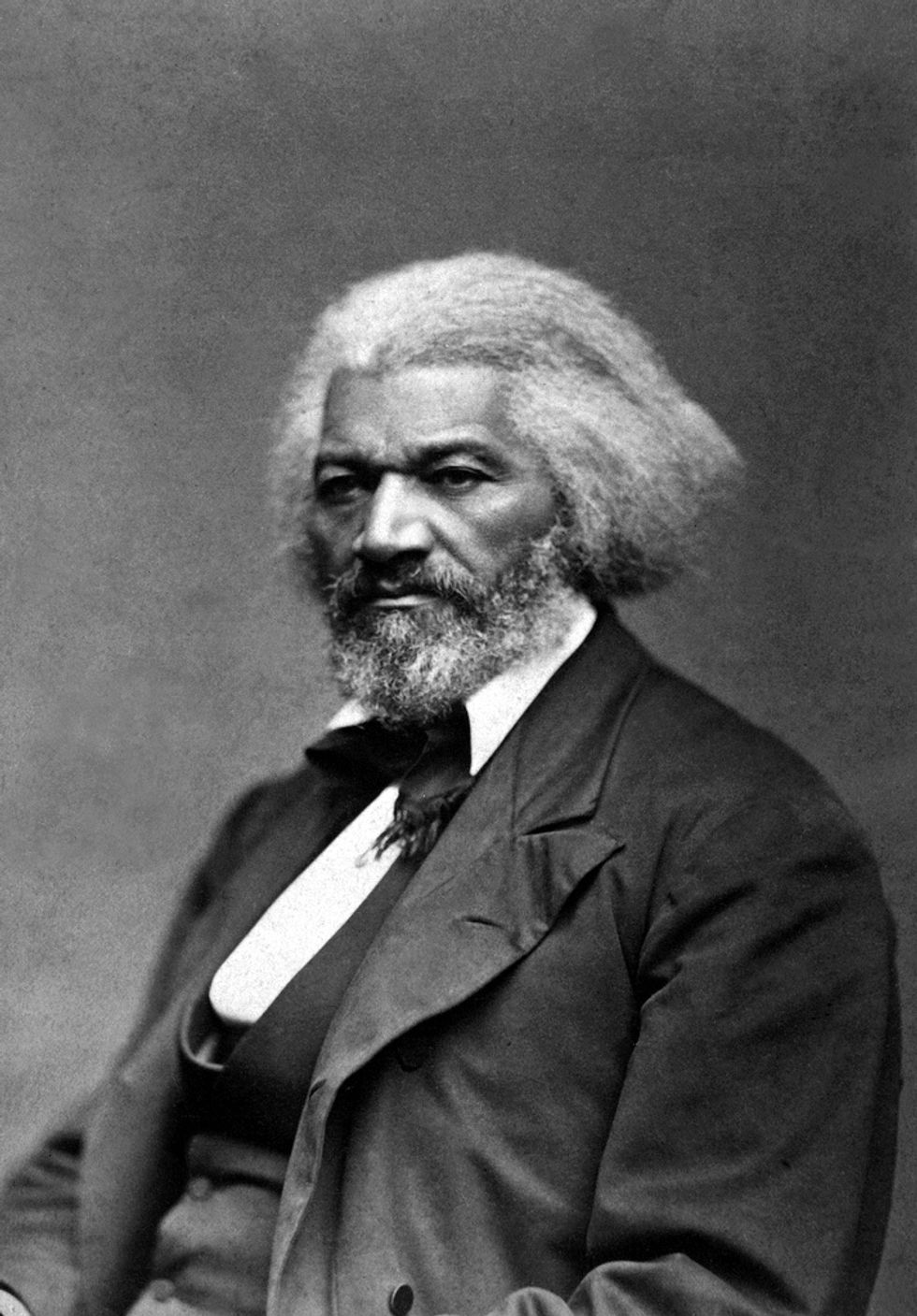
Famed 19th-century author and orator Frederick Douglass was a celebrated human rights leader in the anti-slavery movement and the first African-American citizen to hold a high U.S. government rank. Abolitionist leader Frederick Douglass was born into slavery around 1818 in Talbot County, Maryland. He became one of the most famous intellectuals of his time, advising presidents and lecturing to thousands on a range of causes, including women's rights. Among Douglass' writings are several autobiographies eloquently describing his experiences in slavery and his life after the Civil War, including the well-known work Narrative of the Life of Frederick Douglass, an American Slave.
Langston Hughes
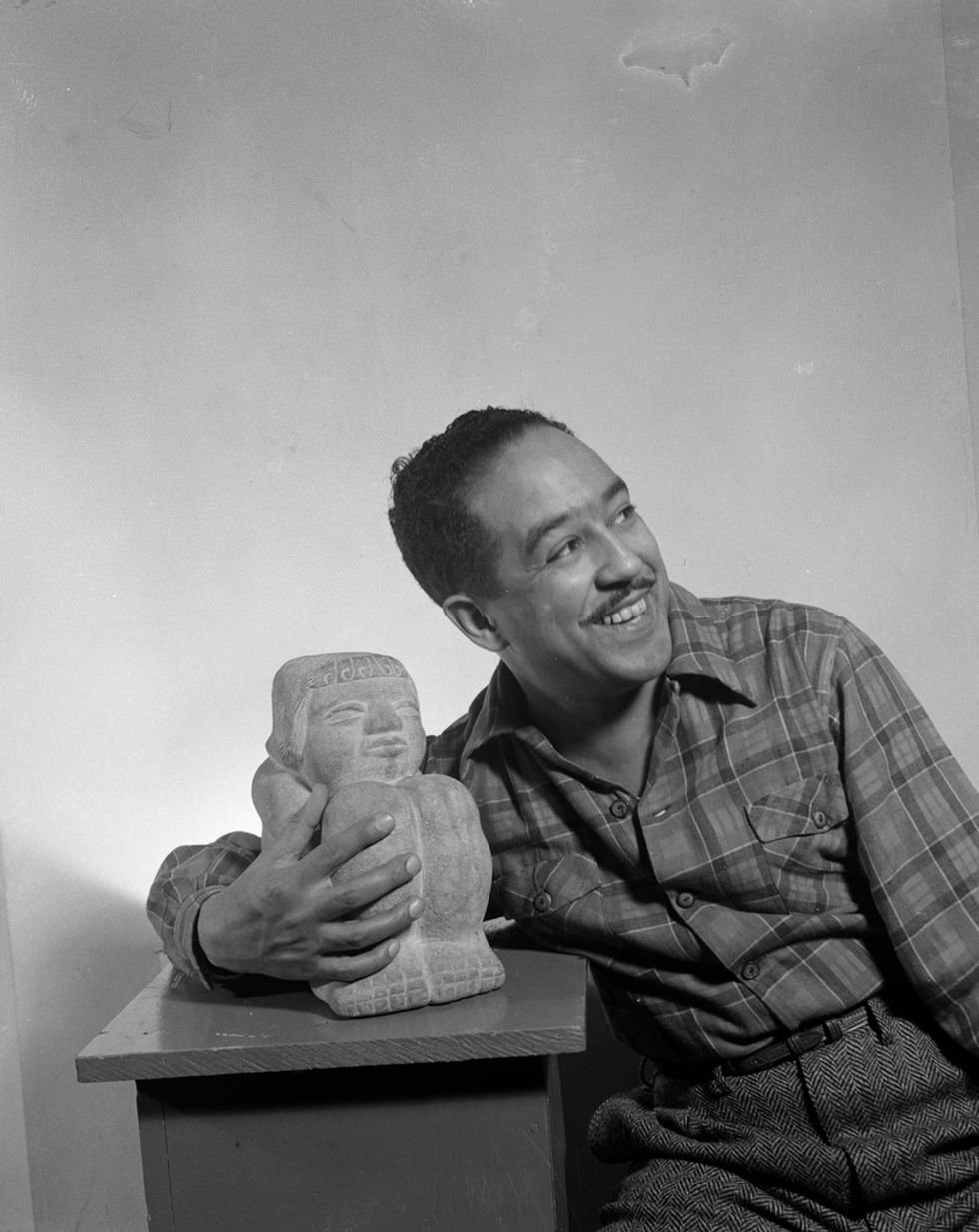
Hughes is especially known for his insightful, colorful portrayals of black life from the twenties through the sixties. He wrote novels, short stories, and plays, as well as poetry, and is also known for his engagement with the world of jazz and the influence it had on his writing. His life and work were enormously important in shaping the artistic contributions of the Harlem Renaissance of the 1920s. Unlike other notable black poets of the period, Hughes refused to differentiate between his personal experience and the common experience of black America. He wanted to tell the stories of his people in ways that reflected their actual culture, including both their suffering and their love of music, laughter, and language itself. Critic Donald B. Gibson noted that "[d]uring the twenties when most American poets were turning inward, writing obscure and esoteric poetry to an ever decreasing audience of readers, Hughes was turning outward, using language and themes, attitudes and ideas familiar to anyone who had the ability simply to read . . . Until the time of his death, he spread his message humorously—though always seriously—to audiences throughout the country, having read his poetry to more people (possibly) than any other American poet."
Maya Angelou
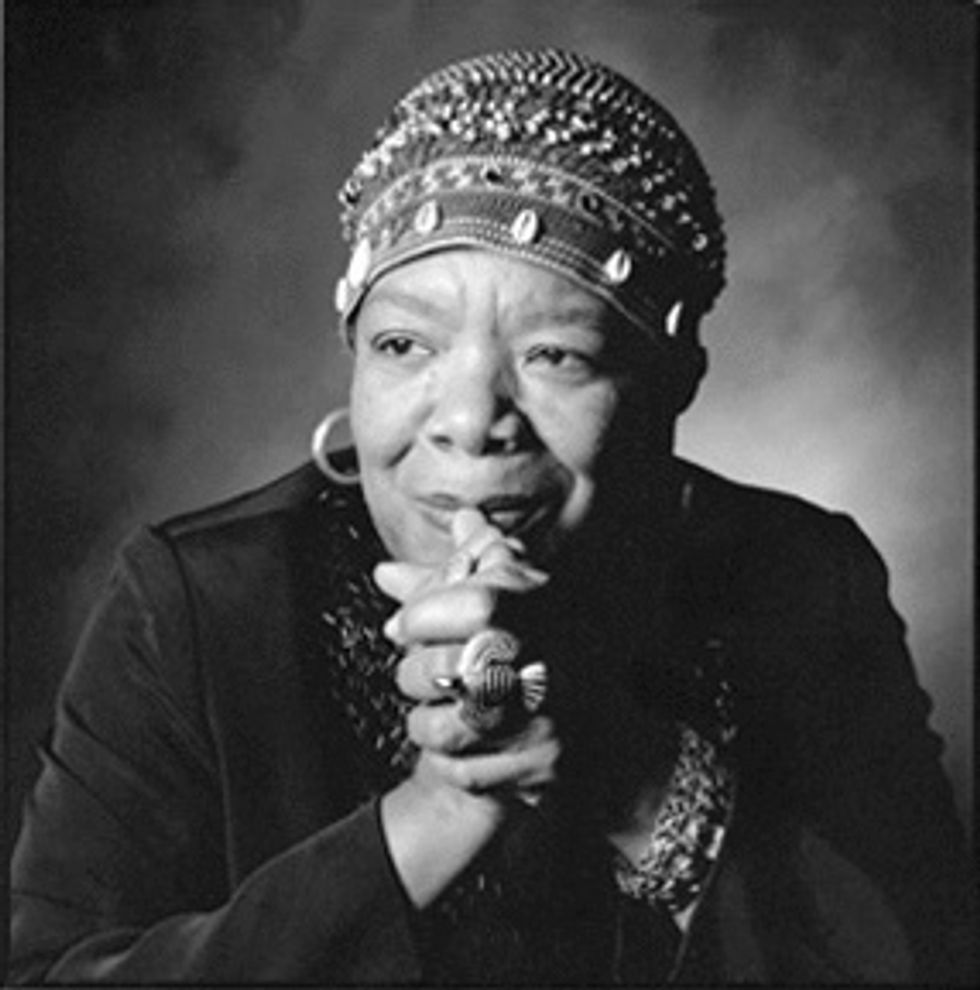
Maya Angelou was an American author and poet who has been called "America's most visible black female autobiographer" by scholar Joanne M. Braxton. She is best known for her series of six autobiographical volumes, which focus on her childhood and early adult experiences. Angelou was a member of the Harlem Writers Guild in the late 1950s, was active in the Civil Rights movement, and served as Northern Coordinator of Dr. Martin Luther King, Jr.'s Southern Christian Leadership Conference. With the publication of I Know Why the Caged Bird Sings, Angelou was publicized as a new kind of memoirist, one of the first African American women who was able to publicly and openly discuss her personal life and struggles. She is highly respected as a spokesperson for Black people and women. Angelou's work is often characterized as autobiographical fiction. She has, however, made a thoughtful attempt to challenge the common structure of the autobiography by critiquing, changing, and expanding the genre. Her books, centered around identity, family, and racism, are often used as texts in schools and universities internationally.
Toni Morrison
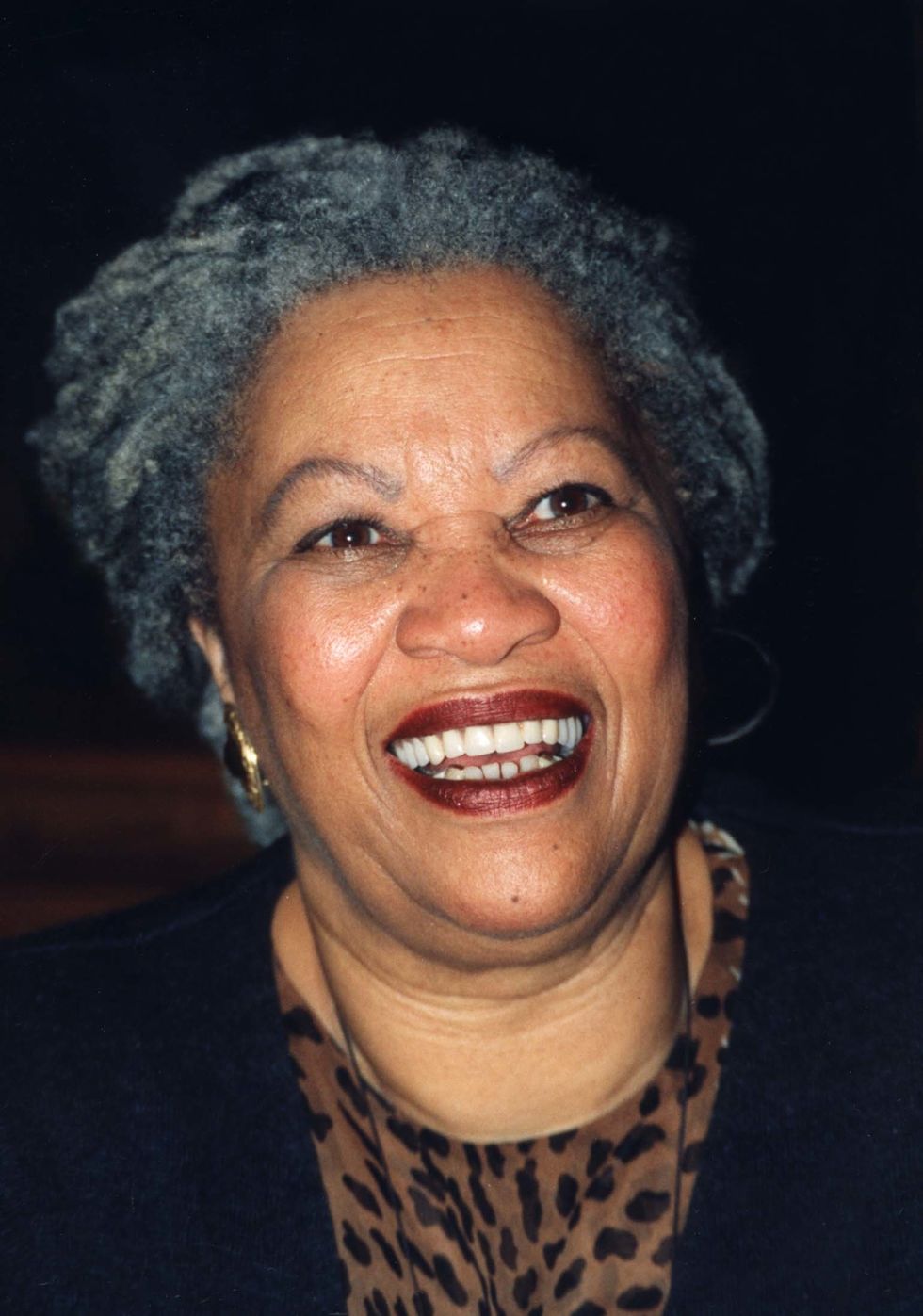
Toni Morrison was an American writer noted for her examination of black experience (particularly black female experience) within the black community. She received the Nobel Prize for Literature in 1993. She is the author of eleven novels, from The Bluest Eye (1970) to God Help the Child (2015). In addition to the Nobel Prize, she has received the National Book Critics Circle Award, as well as the Pulitzer Prize. The central theme of Morrison's novels is the black American experience; in an unjust society, her characters struggle to find themselves and their cultural identity. Her use of fantasy, her unique poetic style, and her skillful interweaving of both gave her stories great strength and value.
Alice Walker
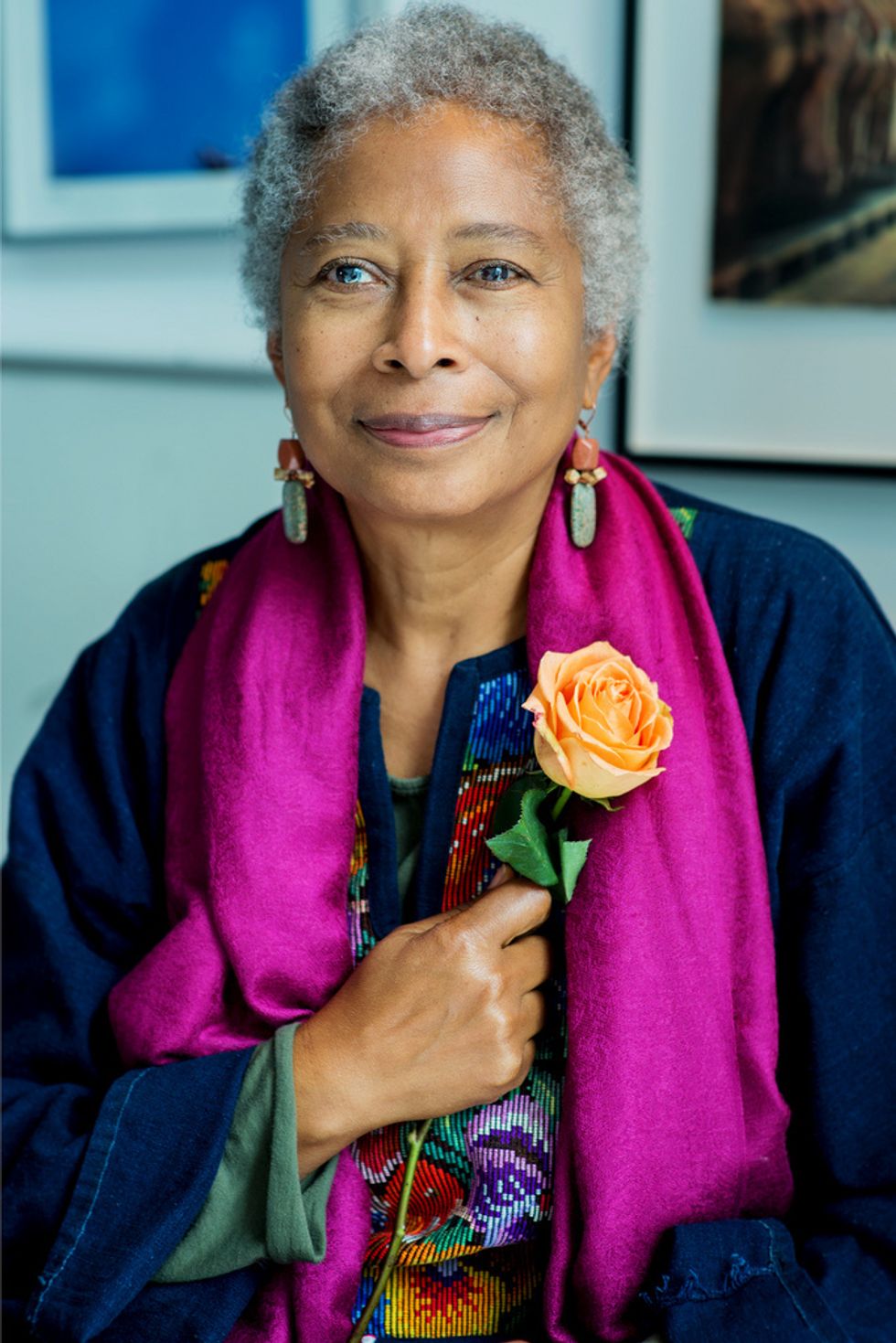
Alice Walker is an American novelist, short story writer, poet, and activist. She wrote the novel The Color Purple, for which she won the National Book Award for hardcover fiction and the Pulitzer Prize for Fiction. Published in 1982, The Color Purple depicts the growing up and self-realization of an African American woman between 1909 and 1947 in a town in Georgia. The book was adapted into a film by Steven Spielberg in 1985. A musical version produced by Oprah Winfrey and Quincy Jones premiered in 2004.
Richard Wright
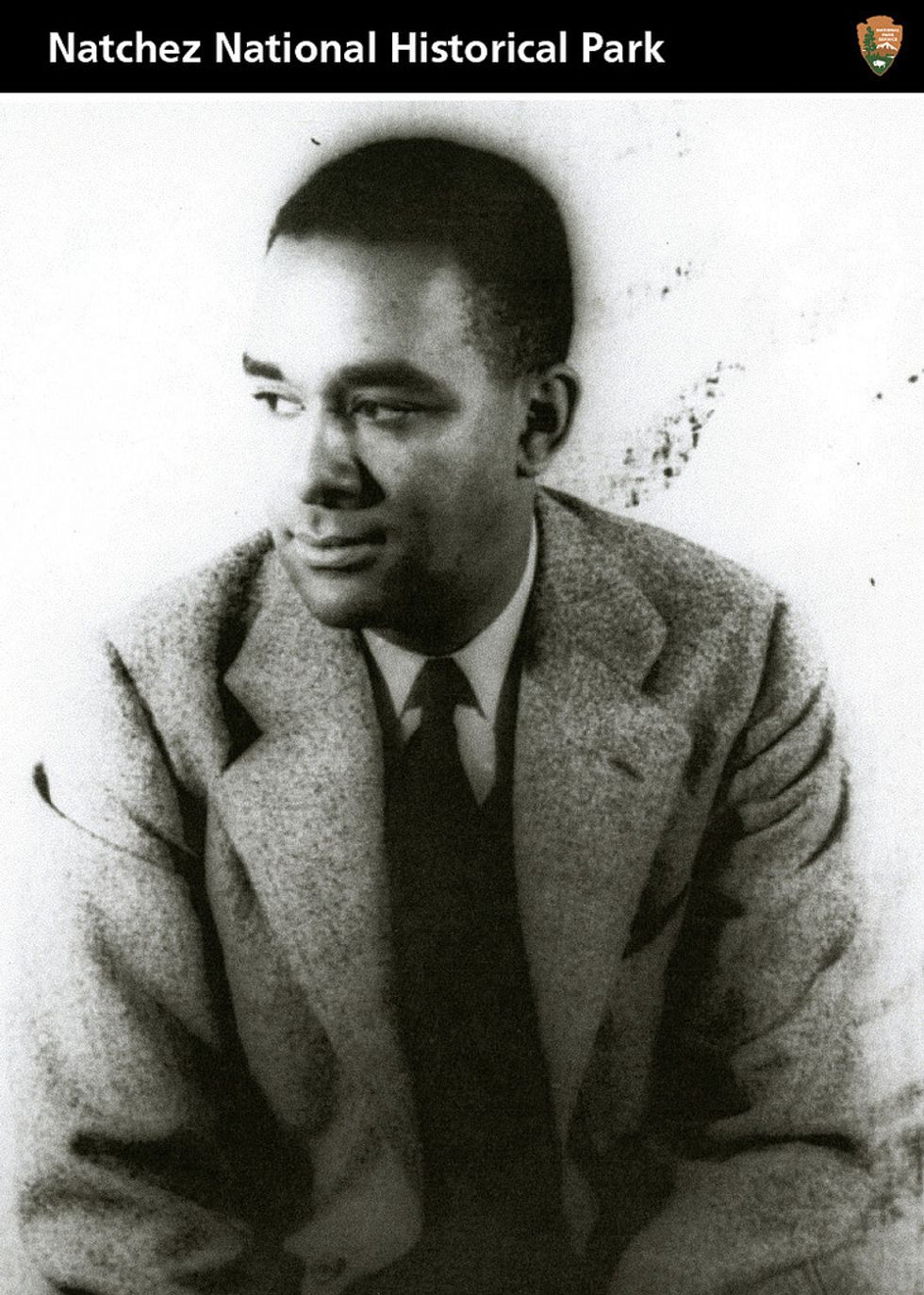
Richard Nathaniel Wright was an American author of novels, short stories, poems, and non-fiction. Much of his literature concerns racial themes, especially related to the plight of African Americans during the late 19th to mid-20th centuries, who suffered discrimination and violence in the South and the North. His book, Black Boy, told the heart-wrenching story of his childhood and youth in the South, detailing the extreme poverty in which he lived, his experience of racism and white violence, and his growing awareness of literature. His writing served as the voice for an entire generation of black Americans.
Zora Neale Hurston
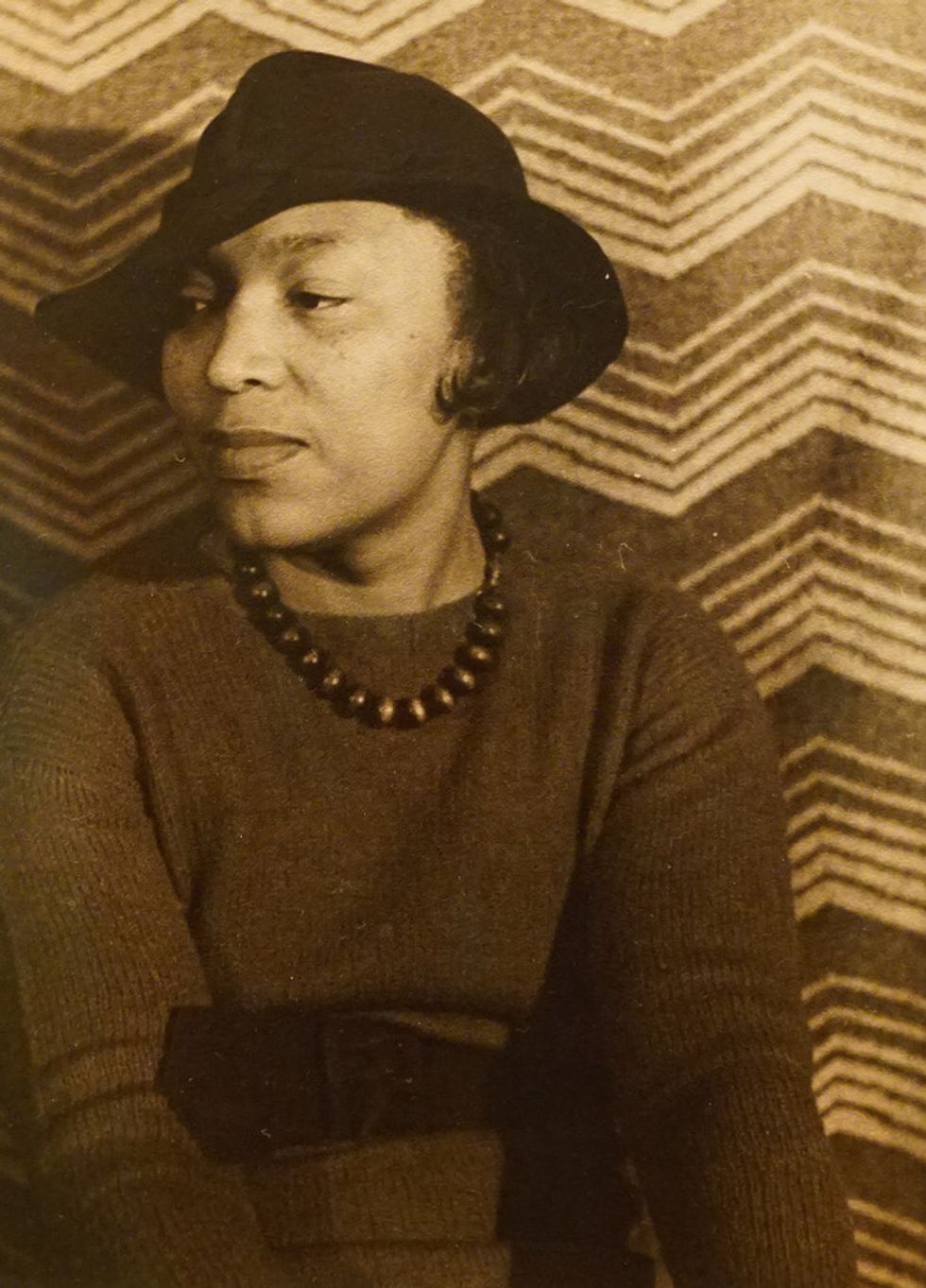
Zora Neale Hurston was an influential author of African-American literature and anthropologist, who portrayed racial struggles in the early 20th century American South. In 1937, she published Their Eyes Were Watching God, the story of a black woman looking for love and happiness in the South. The book was criticized at the time, especially by black male writers, who condemned Hurston for not taking a political stand and demonstrating the harmful effects of racism. Instead, the novel, now considered her masterwork, celebrated the rich tradition of the rural black South.
Booker T. Washington
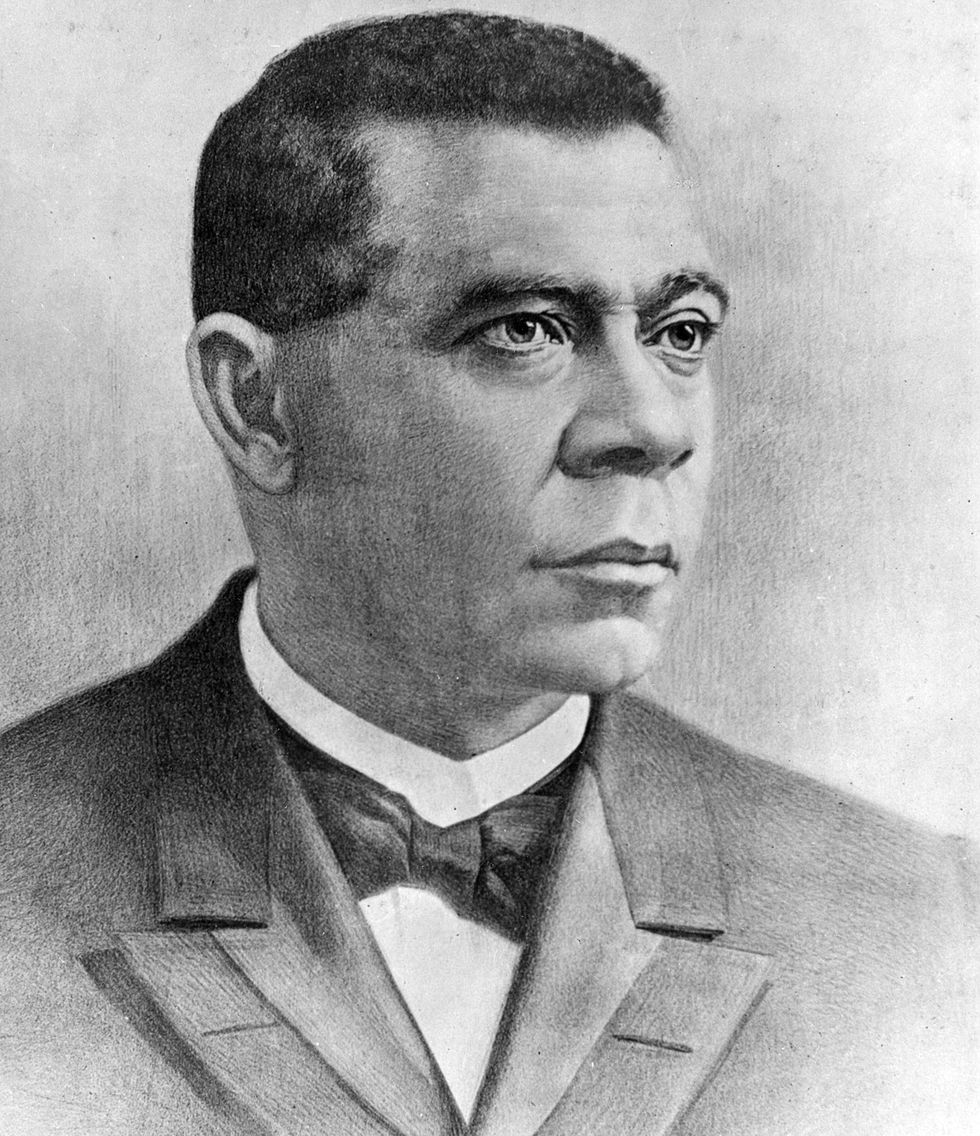
Booker Taliaferro Washington was an American educator, author, orator, and advisor to presidents of the United States. Between 1890 and 1915, Washington was the dominant leader in the African-American community. According to Brittanica.com, "Washington believed that the best interests of black people in the post-Reconstruction era could be realized through education in the crafts and industrial skills and the cultivation of the virtues of patience, enterprise, and thrift. He urged his fellow blacks, most of whom were impoverished and illiterate farm laborers, to temporarily abandon their efforts to win full civil rights and political power and instead to cultivate their industrial and farming skills so as to attain economic security. Blacks would thus accept segregation and discrimination, but their eventual acquisition of wealth and culture would gradually win for them the respect and acceptance of the white community. This would break down the divisions between the two races and lead to equal citizenship for blacks in the end."















