2017, while being what can only be described as a garbage fire of a year, gave us some great television and film that boasted some wonderfully diverse and interesting characters. “Transparent” continued to explore the notion of intersectionality through Maura as a Jewish trans woman, “Black-ish” remained willing to make viewers confront racism with a comedic edge, and “Crazy Ex-Girlfriend” took on suicide and the process of being diagnosed with mental illness through honesty, heart, and some stellar songs (like this gem). “Wonder Woman”, “The Big Sick”, "Get Out" and “Call Me By Your Name” all topped the charts while facing stereotypes head-on.
The success of these films and television shows needs little explanation. Outside of their quality, viewers want to see a wider spectrum of characters and, more importantly, see them presented accurately — people want to experience inclusive and honest narratives.
Hollywood, however, still has lengths to go in remedying decades of systemic issues, both on screen and off. Hopefully, 2018 can be a turning point for the better, as issues of race relations, sexuality, and mental health become increasingly visible. Here is a list of archetypes Hollywood would do well to leave in 2017, as well as what we, as a large scale audience, deserve to see more of in the new year.
In 2018, leave behind...
1. The "Nice Guy"

At first glance, the “nice guy” may not seem so bad. He may be the protagonist, the love interest, or a gleaming supporting character in whatever you’re watching. He may be charming at times, given cheesy humor or a heart of what seems like gold to distract from what he truly represents: emotional manipulation.
The “nice guy” will always find someone else to blame for his actions. He will tell a joke that is out of line, disrespect another (usually female) character’s physical or emotional boundaries, or actually physically lash out at another character, then turn around and claim he’s pitifully misunderstood. If his love interest has a partner, he meets them with jealous comments and constant distaste. His motives are to invalidate, to dismiss, and prove that he is actually the victim of someone else’s issues. He’s dangerous, often-abusive, and discounts female characters’ agency within a storyline.
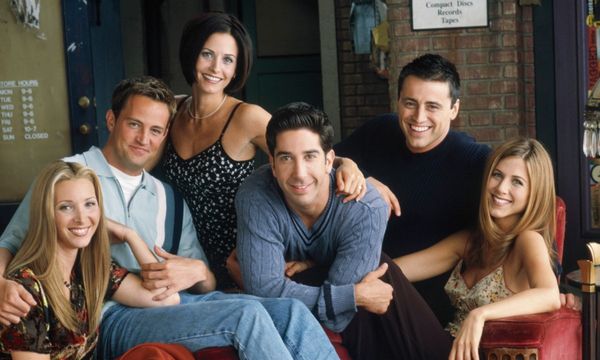
EXAMPLES: Ross Geller from “Friends”; Ted Moseby from “How I Met Your Mother”; Winn Schott, “Supergirl”
2. The "Hunchback"

The notion that a character who is physically disabled is automatically evil is a tired trope when it comes to writing Hollywood villains (especially in films with ties to comics), and it has created a demonizing stereotype that translates into reality. To be beautiful is not to be “good,” and to be disfigured is not to be “bad.” Utilizing this kind of “hunchback” character is senseless, tasteless, and needs to end in 2018. Disabled people are not a template for visual “evil.”
EXAMPLE: Doctor Poison, “Wonder Woman”
3. The "Hero Ally"

This is the kind of protagonist that either “saves” a group of marginalized people or tells their story for them. For example, a story that focuses on a white teacher valiantly empowering non-white inner-city students might show the power of unity and compassion at first glance, but ultimately attributes any success to the courage of the teacher rather than the abilities of the students.
Other times, the more subtle issue of spokesmanship comes attached to these characters. A “hero ally” character can become the spokesperson for a minority group by circumstance alone, serving as a microphone for a marginalized group that isn’t given the chance to have the agency to do so themselves. These characters normalize the idea that those at the top of a societal power structure are saviors to those who are not. This damaging message translates to reality, as these “ally” characters suggest that marginalized people aren’t capable of succeeding without the help of an oppressor.
EXAMPLES: Piper Chapman, “Orange is the New Black”; Leigh Anne Tuohy, “The Blind Side”; Ron Woodroof, “Dallas Buyers Club”
4. The "Suicide Girl"

Similar to the Manic Pixie Dream Girl, a “suicide girl’s” sole purpose is to attempt or succeed in taking her own life, providing the (usually male) protagonist the chance to mourn her and somehow become a better person in the process. She’s either vindictive or pitiful and only becomes important to others because she is or was almost dead. She romanticizes suicidal ideation, suicide, depression, and mental illness as a whole, all things that need to be left in 2017.
EXAMPLE: Hannah Baker, “13 Reasons Why”
5. The "Mentally Ill Monster"

This character suffers from a mental illness, and are consequently villainized as a violent and/or untrustworthy individual. Similar to the “hunchback” archetype, these characters misrepresent what it’s like to live with their disabilities. They are reduced to evil manipulators, attackers, or sometimes literal monsters. The exaggerated and overly-negative lens these characters exist through denies any opportunity to discuss effective coping skills, the harm of stigmatization, or the most basic, human aspects of life with mental illness. The hardships of maintaining relationships as a neurodivergent individual, the incredibly individual nature of mental illness as a whole, or the frustration associated with recovery as the non-linear process it is are completely neglected in favor of melodrama.
EXAMPLES: Kevin, “Split”; Nina Sayers, “The Black Swan”; Norman Bates, “Psycho”; Harvey Dent (Two-Face), “The Dark Knight” Trilogy”
6. The "Misunderstood Abuser"

Similar to the “nice guy” or the “sad boy,” the “misunderstood abuser” is a universal trope that excuses abusive behavior under a guise of misunderstanding or underlying good intentions that may or may not actually exist. Other characters may write off actions by saying: “She only says those things because she knows you’re capable of more!” or (in reference to physical violence) “he just does that to show affection."
This archetype is nothing but writers attempting to excuse abusive behavior through a character, rather than facing the issue head-on or introducing the idea that, regardless of hardship, people don’t have the right to abuse others. These situations present a systemic issue of specific identities being used to excuse, rather than simply explain, cause for a character’s actions (for example, mental illness or sexual orientation).
EXAMPLES: Amy Pond, “Doctor Who”; Dave Karofsky, “Glee”
7. The "Sad Boy"

He utilizes the fact he is emotionally stunted to excuse his behavior, wallowing in his toxic masculinity. All this archetype does is perpetuate the dangerous idea that men cannot express their emotions and work through them, but instead must bottle them up until they inevitably snap.
EXAMPLES: Kylo Ren, “Star Wars”; Clay Jensen, “13 Reasons Why”
In 2018, we need to see the representational progress made so far solidified and expanded. We, the large-scale audience, need more effective and honest LGBTQ+ characters, especially ones who represent asexual, bisexual, intersex, and transgender perspectives. We need more P.O.C. as multi-faceted lead characters, especially Middle Eastern, Asian and Pacific Islander ethnicities. We need more encompassing and validating representations of mental illnesses, especially more misunderstood conditions like dissociative identity disorder, schizophrenia, and obsessive-compulsive disorder. Allies who are able to educate themselves and treat their friends, coworkers, and strangers with equal respect without a higher, self-serving motive. Men who are allowed to express their emotions in healthy and cathartic ways, women who are allowed to indulge their sexual appetites without being demonized, and young characters who have realistic arcs and vocabularies. We need relationships that continue breaking down gender roles and heteronormativity. We need characters who are leaders, in big and small ways.
In complete honesty, we just need characters who we can believe to be real people.
To leave behind these (and many more) toxic archetypes, writers that can effectively create characters from different backgrounds and walks of life need to be hired. Actors that identify with these characters need to be given the opportunity to bring them to life.
In 2018, we don’t want the “safe” or the “known” from Hollywood, but the “real.”