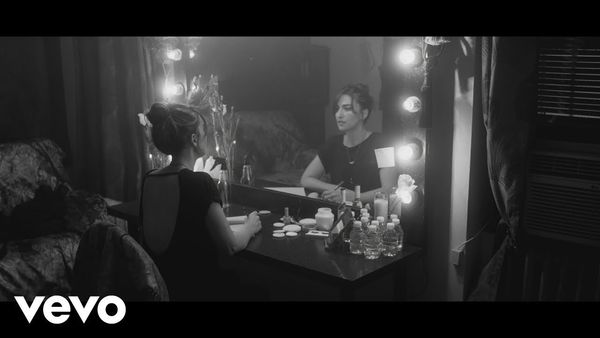
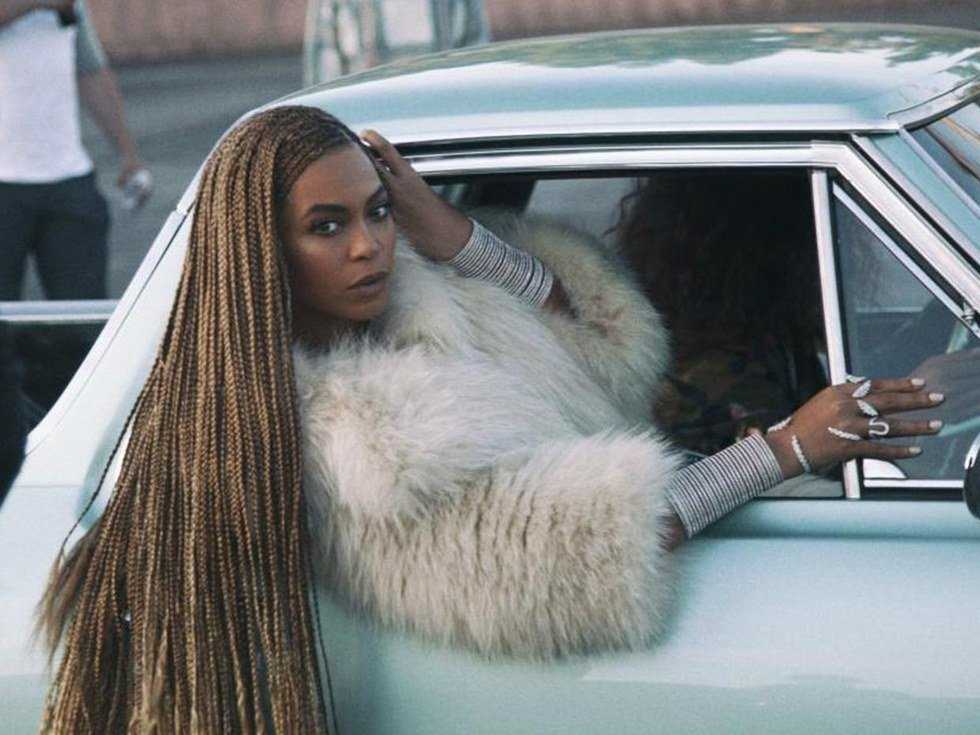
A few weeks ago, Beyoncé released an album, and in typical Beyoncé fashion, this album does not simply consist of a few tracks. Instead, it features a film that incorporates every single one of twelve songs, and tells a story of a woman with a husband who cheats on her multiple times.
The title of this manifesto is Lemonade, and similar to how a glass of this fruity drink can taste sour, sweet, or somewhere in between, Beyoncé’s latest work resonates on a variety of experiential registers. While infidelity drives the plot of both the visual album and the songs themselves, Beyoncé manages to portray a variety of mindsets that range from anger to nostalgia. But the emotion that lingers most within the listener, and perhaps within Beyoncé herself, is pain.
The hurt that weaves itself throughout Lemonade somewhat contradicts the popular imagination of Beyoncé as a fierce black woman who reigns over not only a wildly successful career, but also a blissful marriage to Shawn Corey Carter, most famously known as rapper Jay-Z. With confidence-boosting hits such as “Single Ladies” and “***Flawless,” as well as picturesque Instagram posts of family vacations, this image was certainly convincing, and Beyoncé did not appear to make attempts at complicating it—that is, until she released Lemonade.
While Beyoncé retains her fierce side on Lemonade with songs such as “Don’t Hurt Yourself,” and “Formation,” in the other tracks she also recites deeply personal lyrics that echo of both the woundedness and devotion that accompany an unstable relationship. These moments, while not as loaded with empowerment dialogue as some of Beyoncé’s most famous songs, still convey an important message: vulnerability is real and completely legitimate. While this theme may appear simple, it proves essential in humanizing rather than idealizing not only people in relationships, but specifically black women, who must live with stereotypes that exaggerate their toughness and demean their vulnerability.
Six lyrics, in particular, encapsulate Beyoncé’s acknowledgement of her not only her own sufferings, but also those of her audience, who can likely relate to her music on an entirely new level. Here they are, in order by the Lemonade tracklist and accompanied by GIFs from their song cameos in the film.
1. My lonely ear / pressed against the walls of your world / praying to catch you whispering / I’m praying you catch me listening / I’m praying you catch me
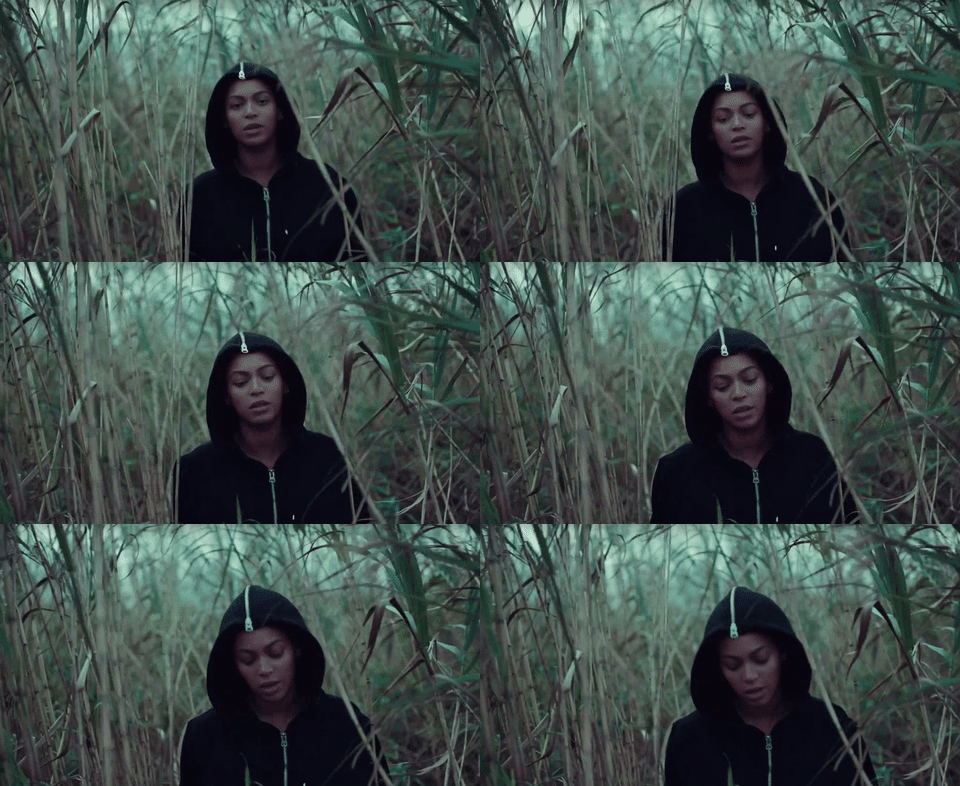
2. Know that I kept it sexy / and know I kept it fun / there’s something that I’m missing / maybe my head for one
3. He only want me when I’m not there / he better call Becky with the good hair
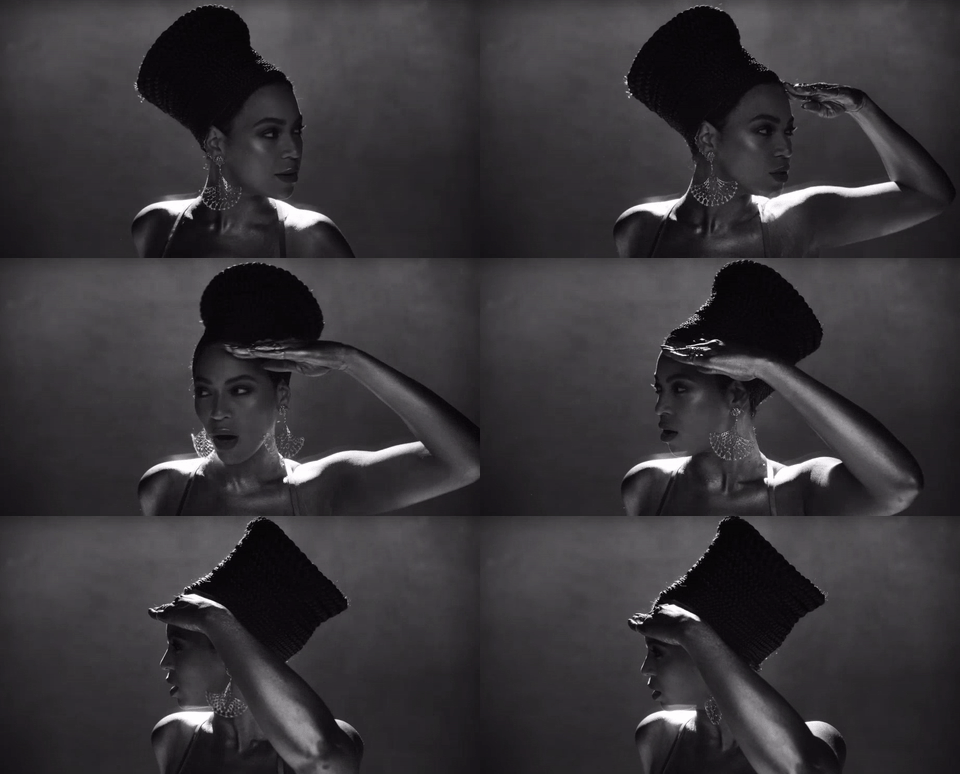
4. Tell me what did I do wrong? / Oh I already asked that, my bad / But you my lifeline, think you tryna kill me / If I wasn’t Bey would you still feel me? Like on my worst day?
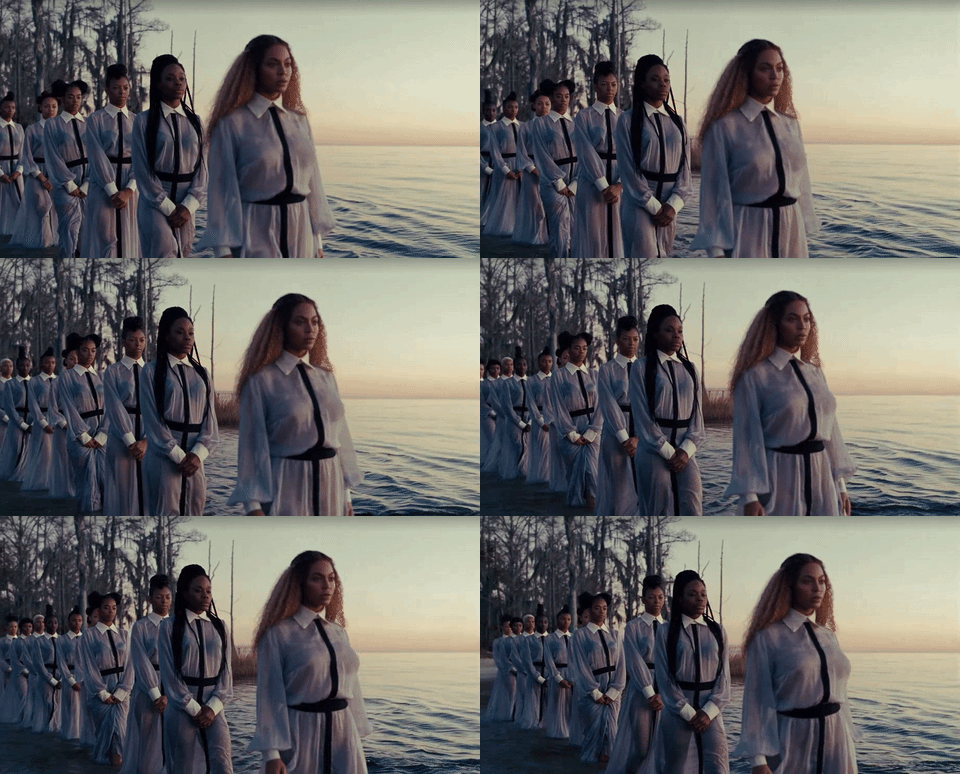
5. Dishes smashed on my counter / From our last encounter / Pictures snatched out the frame / B*tch, I scratched out your name / And your face / What is it about you that I can’t erase, baby?
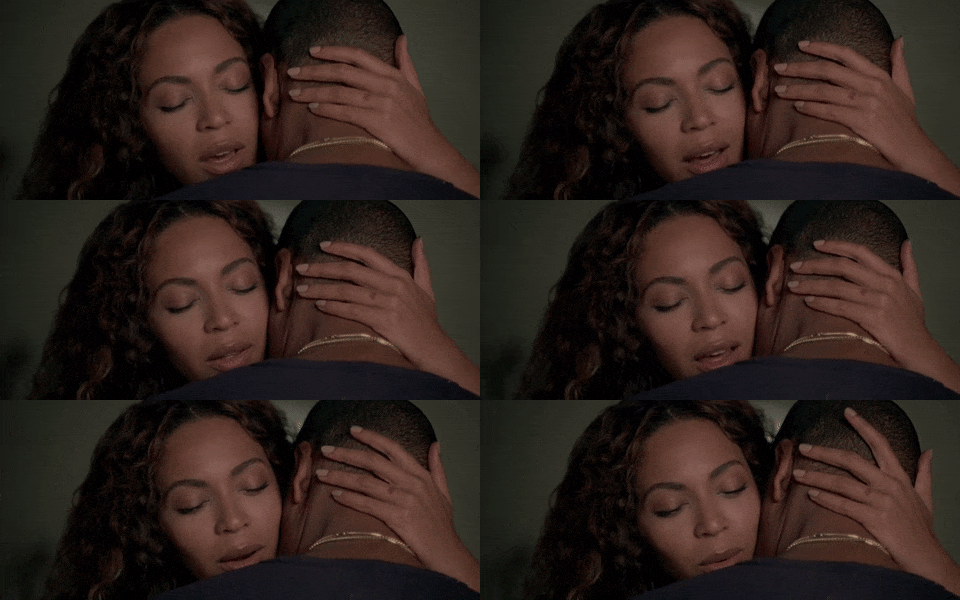
6. Found the truth beneath your lies / And true love never has to hide / I’ll trade your broken wings for mine
The impact of these lyrics add up to showcase Beyoncé as a black woman who admits her pain, and refuses to succumb to a one-dimensional depiction of fierceness. In fact, her confessions of hurt and betrayal compliment rather than contradict her fierce persona, since to merely admit vulnerability is a tool of resistance against limited portrayals of black women. In her revelation of the fragility behind her fierceness, Beyoncé shows her vast audience the power of the admission of pain as bold assertion of humanity.








 man running in forestPhoto by