One of the strongest influences on a child growing up is the presence of pets. When a kid is feeling alone and judged, they can always turn to their favorite furry, scaly or feathered friend. Pets offer us all the benefits of human affection without all the setbacks of drama and judgement. But not all pets are dogs, cats, fish and lizards. Some of them weigh half a ton and stand five feet tall at the shoulders. Livestock provide their own brand of affection; be they sheep, goats, cows, horses, chickens, llamas, the list goes on endlessly. So while I never had a dog growing up, I always knew I had a “pet”; just not one I could easily bring to a pet show.

Growing up on a dairy farm, I was destined to claim one of those majestic bovines as my own. My first pet was a red-and-white Holstein calf, a gift from my grandfather, named Lola. Having few friends in elementary school, I found that I could always turn to Lola. I relished calf feeding time every day. Instead of cleaning up after her every day like dog owners, I got to clean her entire pen out and bed it with fresh hay once a week. I spent many days leading her around the farm on a rope and sleeping next to her at night.
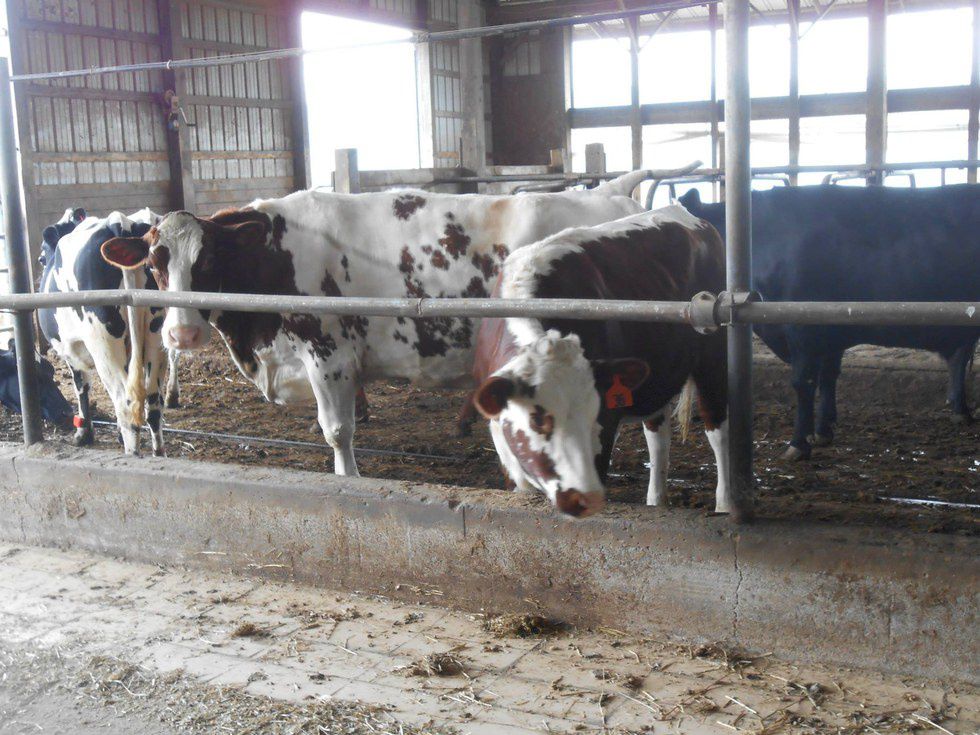
In case you weren’t aware, a farm survives on productivity. All farm animals regardless of species are bred once they mature enough in order to supply the farm with the next generation. When Lola was a year and four months old, she was put out to pasture along with our other breeding age heifers. Our herd sire at the time was a timid little Jersey bull. The combination of a red-and-white mother and a brown father gifted me with my second pet, Lola’s new daughter Lucy. Lucy was a beautiful Jersey/cross heifer with red tinges in her brown fur. While I gained a new calf I also gained a milking cow, as Lola was now able to produce milk with the rest of the herd.

One part of owning a pet that transcends species are the struggles. A lot of livestock owners in rural areas show their prized animals at fairs. Just watch some of those kids and teens the next time you’re at a fair; the dedication and hard work of those shows kids something to be admired. And animals can get sick just like humans. They can get hurt. They can die. Raising cows was no different. When it came time for Lucy to have her first calf everything went as smooth as before. Lacy was a beautiful Jersey heifer that drank all the milk I could give her. But a week later she got sick. We treated her with all the medicines and remedies we could come up with, but she died after two days. I’m sure you can imagine how hard it is for an eleven-year-old kid to go through that. After fourteen years of owning a cow I’ve lost five heifers to sickness and sold three, including Lucy. Lola’s last two births were so physically trying she almost died. During those rough times, I’d spend many a summer day napping on top of her because I didn’t want to leave her. And every year she develops a sore back foot for no real reason.

I officially retired Lola three years ago. She doesn’t milk and she doesn’t get bred. All she does is eat and relax. Currently, I have five milking cows with two more young heifers and two bull who will sire the herd someday. I made money from the animals I sold and get weekly milk checks from my milking animals. Raising livestock is one of the most challenging and rewarding experiences a child can ever face. And if you ever find yourself an opportunity, give it a try. I guarantee you’ll love having your own livestock pet as much as I did.