
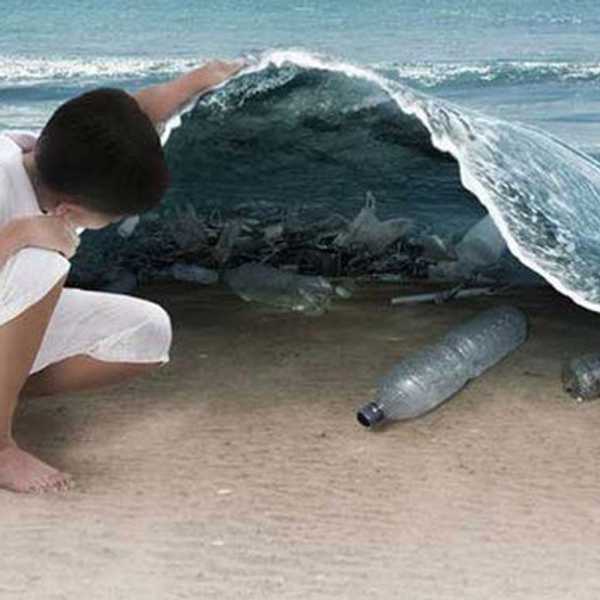
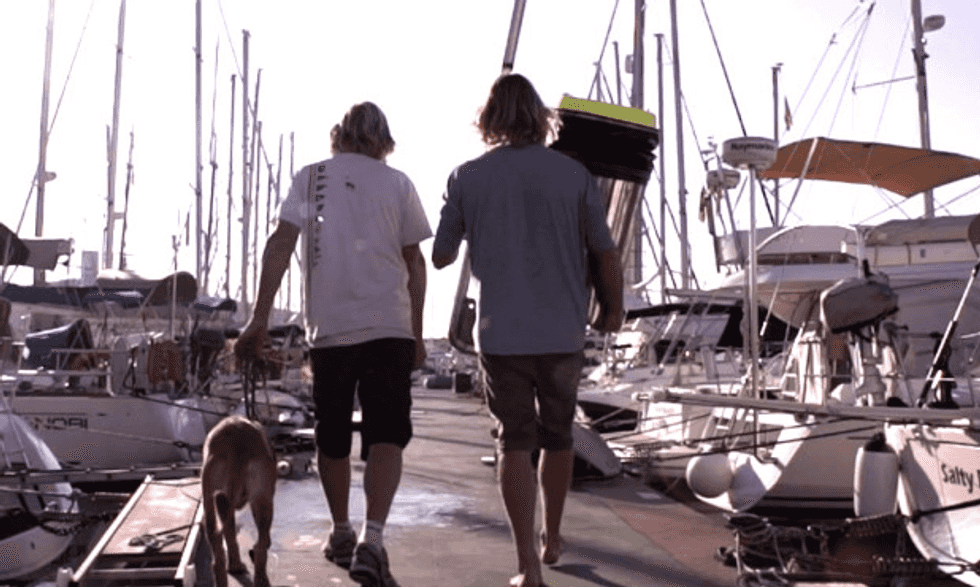
Innovation ignites transformation; that is exactly what our oceans are crying out for right now. With millions of animals dying and pollution at extremely elevated numbers, the fate of our oceans depends on innovators. Someone needed to think of practical and sustainable ideas to solve this rising issue. That is exactly how Andrew Turton and Pete Ceglinski came about the idea of a trash can for our ocean, which they call the "Seabin.”
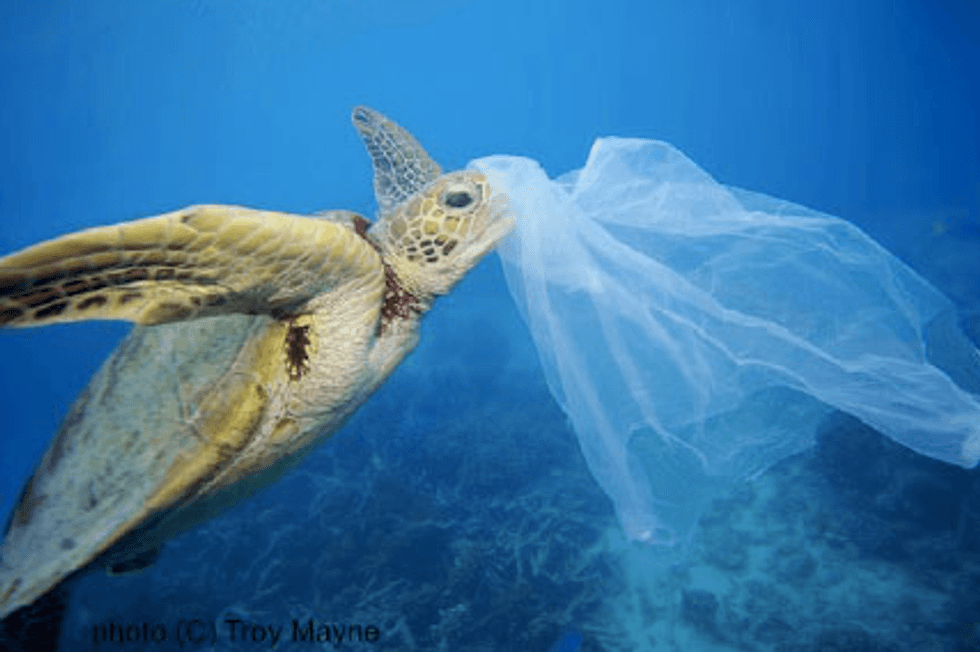
Every year our oceans face millions of tons of garbage dumped into our oceans. A study by Jenna Jambeck, University of Georgia’s environmental engineer, was conducted over how much waste 192 coastal countries produce a year. This number was just around 275 million tons! From this number, 4.8 to 12.7 million tons of this is plastic that flows to the ocean. The effect of this pollution is massive. Turtles think plastic bags are food, millions of seabirds are choking on soda rings and plastic bottles, whales are consuming an unreal amount of plastic, and these, along with many other animals, ecosystems, and humans, are hurting. The best way an individual can start to make a positive impact is by making use of products such as the Seabin.
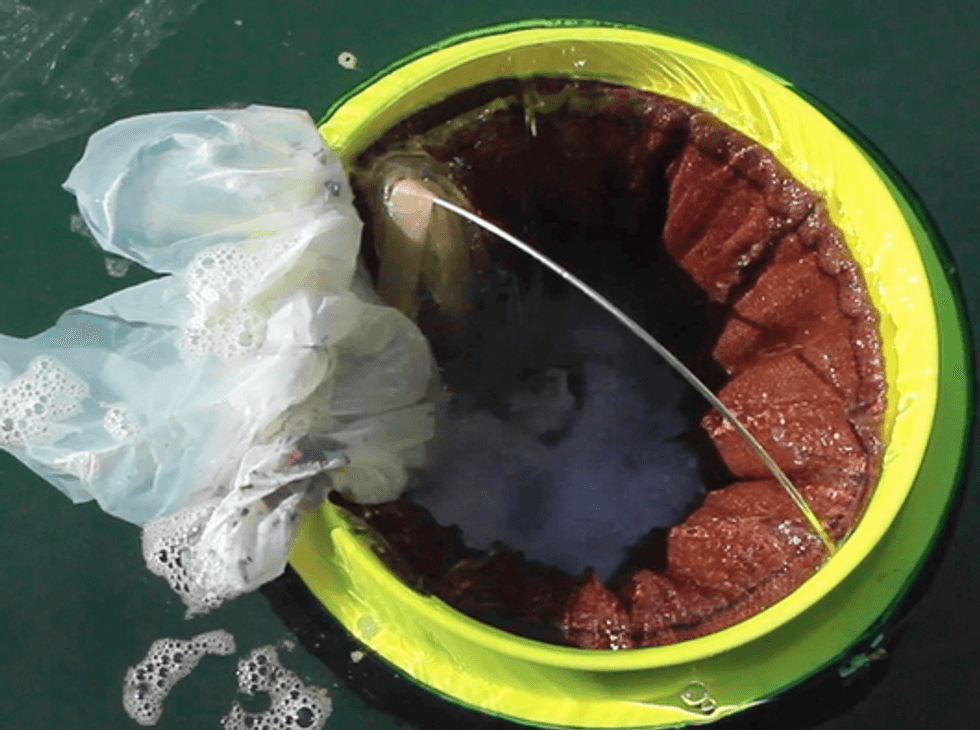
This “trash can” is a bucket connected to a water pump that sucks up any floating trash then filters it out before spitting back out the now pollution-free water. There are two features within the bucket; a natural fiber catch bag and an optional oil-water separation system. The catch bag filters out any debris that is sucked in by the pump. The optional filtration system is what really completes the Seabin. The areas in which this bin is designed for is a hot spot for fuel and oil. For example, it’s the marinas and yacht clubs where these boats fill up on fuel. Just like when you fill up a tank of gas, fuel leaks to the ground. The same happens, but the fuel leaks into the ocean.With this oil-water separation system, the Seabin can catch most of that fuel before it ends up further out into the ocean.
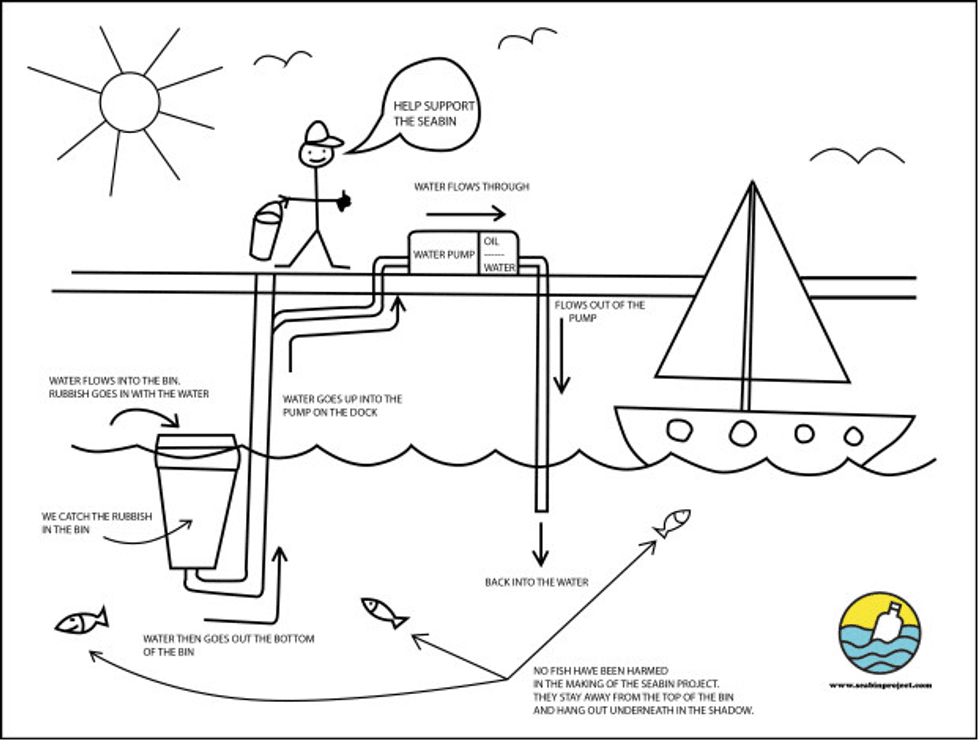
At starting at $3,825 a piece, the Seabin is priceless compared to the alternative methods of marina cleaning. One alternative, physically cleaning out and picking up the trash, is labor intensive and allows for missed litter. The next alternative, have a boat use a net to capture litter, is expensive. The Seabin, on the other hand, works 24/7 and is easy to handle. It only requires one person to lift out the bin and empty the catch bag. Another plus, when you take out the trash it allows you to realize just a fraction of how much pollution really circulates our oceans. This is our time to take the realization and be proactive about fixing it.
Turton and Ceglinski’s mission stemmed off of their love of surfing in water without plastic bags, bottles, and other litter in their way. They wanted to invent something sustainable that will move our oceans towards a pollution free existence. That is why they came up with the prototype for the Seabin and now have turned to public funding for financial support. Their indiegogo.com fundraising page was set up in efforts to raise $230,000 to start manufacturing. As of December 30th, they have surpassed their goal with $240,002 and eight more fundraising days to go. The biggest wall in their mission towards sustainability is finding a way to make the product with as little environmental impact as possible, but this is a pricey mission. That is why every dollar counts towards making sure that this innovation makes it to the marinas.
This product is a step in the right direction. It’s a step that any individual can make that will show immediate results. A big problem with environmental issues is that when we try to make a positive impact on changing them, its hard to see that change. Here is a tangible way of seeing how our actions lead to making our oceans cleaner, safer, and beautiful again.