


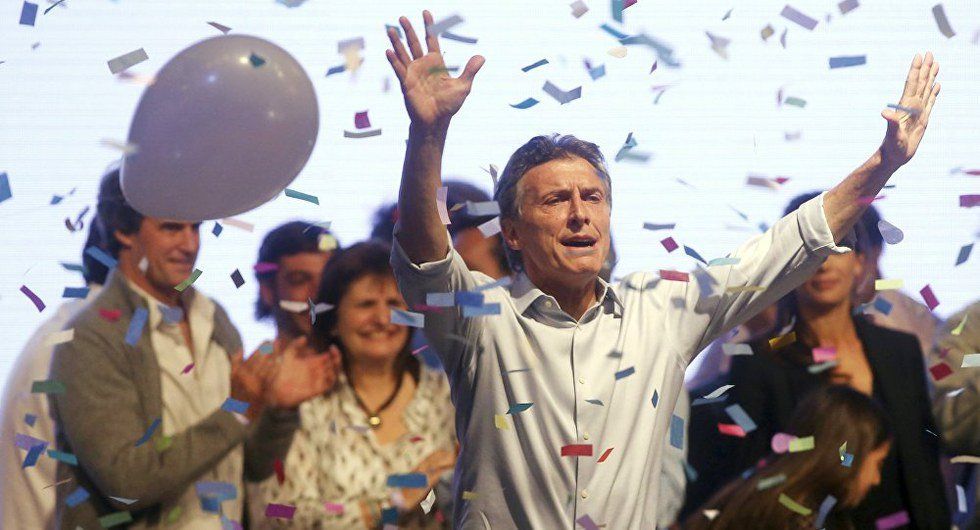
The legacy of Juan Peron has shined through Argentinian politics since he and Eva Peron came to power in the 1940's. Peronism was the dominant political ideology in the region for most of the 20th century. Socially progressive reforms have been praised at their inceptions, but the negative effects have led to Argentina’s economic collapse since the once promising projections of the early 20th century. Peronism may be dying in Argentina, with the election of Mauricio Macri in late 2015. Macri, the now former mayor of Buenos Aires, defeated Daniel Scioli in the second runoff of the Argentinian general election.
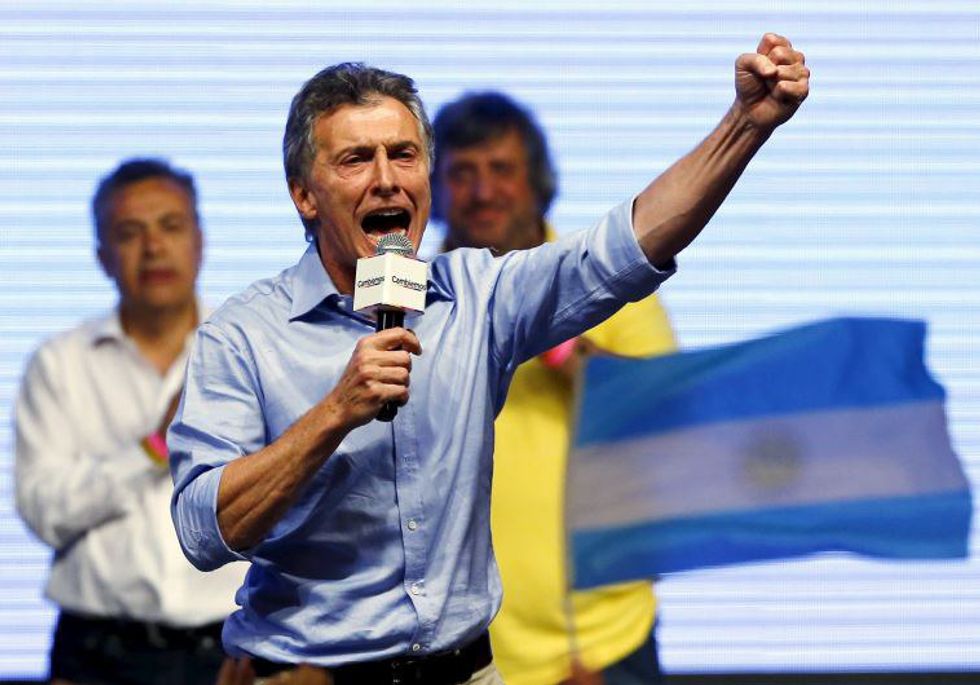
Populism has led to a decade of economic turmoil under the presidencies of Nestor Kirchner and Cristina Fernandez de Kirchner. The policies of the Kirchner regime forced Argentina into a stagnant period of economic development. Faced with deep public debt, Argentina turned to printing more money, and inflation skyrocketed. Although Peronism has prided itself on solid relations with labor unions, that relationship deteriorated under the Kirchners. President Macri hopes to bring in more foreign investment for the energy sector and open negotiations between all political sectors. Daniel Scioli, the governor of Buenos Aires, campaigned as the successor to Christina Fernandez. Coming from the ruling party, Scioli targeted Macri as a reactionary candidate, whose policies would negatively affect the poor. Macri’s victory provides a clear shift in the country’s political landscape. Years of polarizing political parties has finally led the country to political centrism. Populism has fallen out of favor in much of Latin America due to an overall economic slowdown. As the world has watched Asia’s economic development soar, Latin America has largely stood still. The election of Mauricio Macri in Argentina may signal an ideological shift for the region as a whole.
Latin America will likely undergo significant political change in the coming years. Elections in Brazil, Venezuela and Colombia could be the final blow for the leftist parties of the last few decades. Before President Macri was elected, a shift was detected in the municipal elections in Bogota, Colombia. The newly elected mayor of Bogota, Enrique Penalosa, is a strong supporter of peace talks between President Enrique Santos and the FARC leftist guerrillas. Upcoming municipal elections in Venezuela are expected to produce similar results. President Nicolas Maduro has faced criticism for his treatment of his political opponents in the past, and many are worried about his reaction to the upcoming elections. Also, in 2016, Peru will hold presidential elections and is not seen as a country that would fall to extremism at this point. Brazil and Chile face crucial municipal elections in 2016 that will undoubtedly affect their respective presidential elections in 2018.
Change will not come overnight, and anyone who understands democracy knows it. In Argentina, President Macri faces a massive debt crisis that can only be cured with foreign finances. The facilitation of private enterprise will be critical to Argentina’s hopeful economic turnaround. Macri preached political cooperation during his campaign, and cooperation is needed among labor unions and the government. In order to stabilize the economy, he must do so without further hurting the lower class. Such alienation of the classes was the cause of the radical leftist movements that have plagued Latin America for decades. Macri’s hopeful success in reviving Argentina is a bright spot for a region that could play a much larger role in world issues.

















