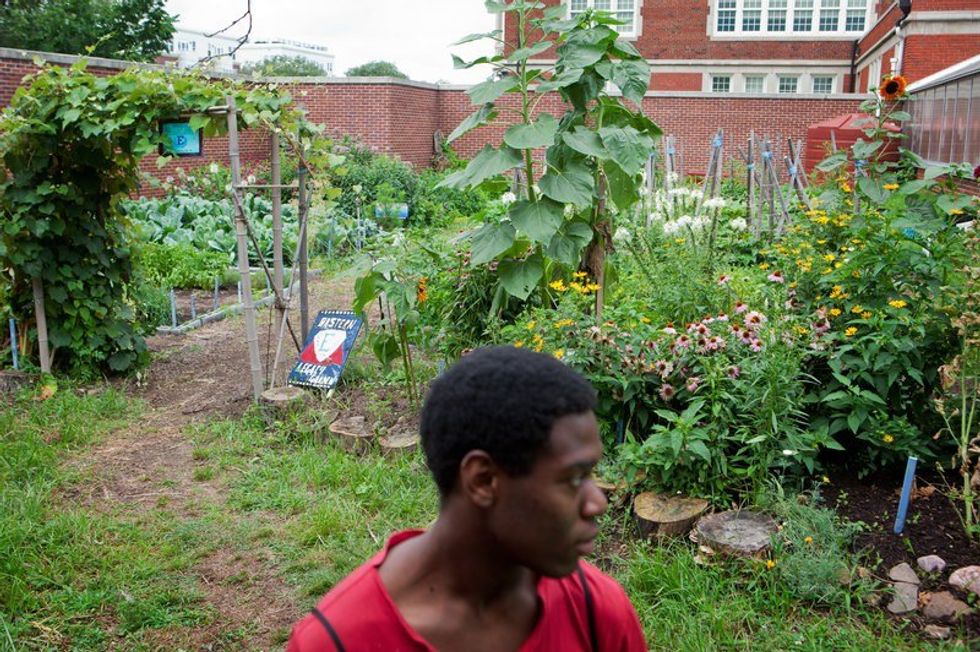
We teach kids a lot of useful things in school. Long division, the periodic table, and how to copy definitions out of a textbook. While all of these may be very useful in our lives, I think there are a few things that should be added to the curriculum. For example, I think that it would be beneficial for students in elementary, middle, and high school to be taught how to grow gardens. REAL School Gardens is a program that is working to implement school gardens in low-income schools. There are many benefits that come with teaching kids how to grow a thriving garden, here are some of the few:
1. Students are taught healthy eating habits
The most obvious benefit of school gardens is that kids will experience some foods that they may not ever see in their home. It gives them the opportunity to try new things and learn about nutrition in a way that may have never been introduced before.
2. School lessons learned through an exciting and hands on activity
It is safe to say that you can take lessons from several classes, such as math and science, and incorporate them into a garden. Students will have a hands-on activity that gives them the opportunity to really get involved with a lesson as opposed to doing a worksheet on it. Several students are hands-on learners and never get the opportunity to learn this way. A garden is a perfect way for students to have a whole new way of learning.
3. Responsibility instilled in students
Gardens are places of life. Things that are living require care and attention. Children will have to learn how to take responsibilty for things and be able to take care of something. Kids who live in low-income areas may not be getting the motivation at home they need to know what responsibilty really means. This gives students the opportunity to learn something that they will take with them throughout their whole lives. I also believe that with responsibilty comes a sense of purpose. Students will feel motivated along with a feeling of contentment in knowing they are doing something meaningful.
4. Proven success rate
The REAL School Gardens program has had great results while partnering with schools. According to REAL School Gardens, there has been a 12-15 percent pass rate increase in standardized test scores. Students who are actively engaged in these gardens are not only showing improvement in their everyday lives because of this program, but they are improving academically, as well.
If I made a list of the benefits of implementing school gardens, it would go on for days. These four points are just a handful of what students can gain out of the very useful skill. In my opinion, kids are not learning all that they need to know in school today. I understand that certain curriculum must be taught, but why can’t we teach it to them while also getting them involved in something meaningful? In the future, I would like to see many more schools having and encouraging gardens. If you would like to get involved with your community and volunteer with school gardens, do some research and see how you can help!