

Cricket isn’t that global of a sport. Shocking as it may be, the second most popular sport in the world is only -- due to India, Pakistan and Bangladesh -- in the second, sixth, and eighth most populated nations in the world. In those countries, the sport is treated like a religion. However, that is not the case most anywhere else. In total, only 21 countries play cricket at the highest level (12 of which are small island nations that come together to form one team). Ten teams, a global sport does not make.
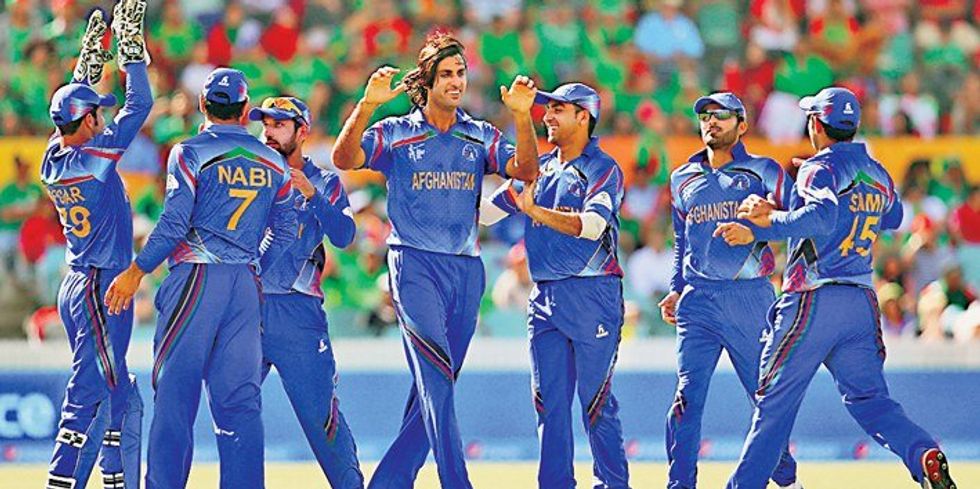
The sport has begun to gain a following in Ireland, Scotland, Nepal and a handful of nations in the Middle East (of which Afghanistan towers above the rest). But the ICC (the governing body of cricket in the world) has done next to nothing to bring these nations into the big time. Most recently, at the World T20 (which concluded this past Sunday), the second tier teams (a.k.a. associate nations) having already played through qualifiers were divided into groups to play amongst themselves (and the two lowest rated first tier teams). Their dreams to play against top competition were dashed for the second round of qualifiers. This format (which was also used in 2014) purposely holds them back. We were not likely to see the colossal upsets that happened in previous tournaments.
The format is but one example of ways the ICC is limiting the success of associate nations. Last year, the ICC decided to leave them out of the 2019 World Cup entirely. Opting to instead play the tournament with only the 10 teams of the first tier, despite outcry from the majority of fans around the globe. The two top associate nations, Ireland, and Afghanistan, have also been held back from promotion by the ICC, even though they have proven themselves capable time and time again of beating, at least, the lower ranked teams of the top 10. If the ICC continues to stand in their way, then they might dwindle back into obscurity (as Kenya had done before them).
The ICC however, says they are committed to developing the game and growing cricketing nations, having launched a series to be played in 2018. Of which, the winner of the Associate tier tournament (the Intercontinental Cup) will get a shot to play the lowest ranked top tier team for entry to the next level. This is set to repeat every four years.
But the ICC can do better. They must start doing everything they can to grow the game. Make India field a side in Nepal. Have England play Ireland. Bring West Indies players to duel the United States in Florida (there, in fact, is a cricket stadium in South Florida). Not only could this draw crowds, sell tickets and get teams to play more often, but the higher level nations will have more opportunities to give for domestic players that haven’t been able to break into the main squads (in other words, they could field B squads). Even behind closed doors, without fans, you’re giving these teams opportunities to play better sides. It’s a win-win.
Another thing the ICC could do is change the format of World Cup qualification. FIFA qualifies their teams for the world cup based on region (If they went by ranking, Asia and Oceania would not be included). Why not follow a similar idea? Increase the number of participating teams in the World T20 to 20 (four groups of five), and make each team play others in the region to qualify, continents with lesser talent can pit their top team against a third or fourth placed team of another region to make it.
It’s simpler than the complicated process in use, now. For this recent tournament, the ICC took the best six finishers from the previous qualifiers and pitted them against the seven teams that qualified via regional tournaments. A 14th team qualified by co-hosting. These teams were split into two groups and played a mini-tournament that resulted in the top six finishers moving on to the World T20. Of course, though, that involved them playing each other again, plus the two lowest ranked top tier teams. At the end of the day only Afghanistan managed to play when it mattered -- against the best teams in the world -- and after giving most teams a run for their money, they upset eventual champion West Indies in their final match.
The win meant a lot to the struggling nation, where cricket is one of the few things to have thrived in recent years. Afghanistan’s meteoric rise, however, could be halted if they don’t make it to the series in 2018, let alone win it. Their fate, as well as the fate of all associate nations (and the future of cricket), rests in the hands of those that govern it. Only time will tell if they truly want their sport to thrive.
If you want to learn about cricket, click here for a video to get you started.
Click here World T20 Final summary and highlights (highlights under video).