

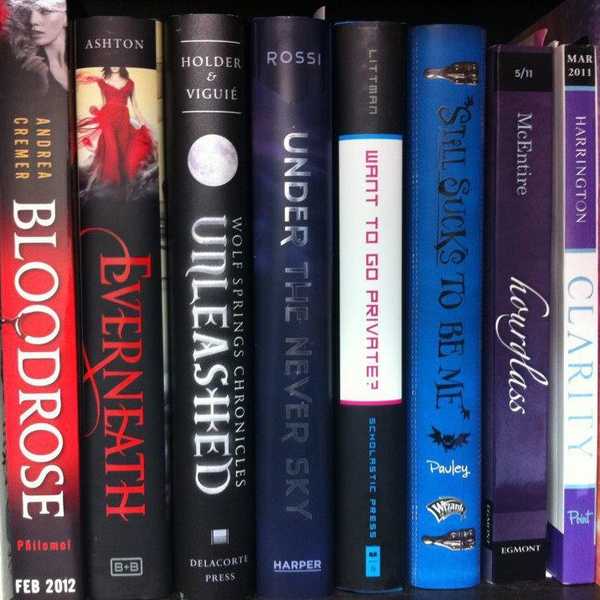

As a die-hard bibliophile, I can never answer the question, “What’s your favorite book?” That’s mainly because I can’t pick one out of the stacks upon stacks of books near the shelves of my house’s hallways. It doesn’t matter if the romance is corny, the characters are lifeless, or the story is two-dimensional: every story is one we can learn from. And, so, I have compiled a list of some of my favorite stories of all time -- stories that have touched my life the most.
1. Zora Neale Hurston, “Their Eyes Were Watching God”
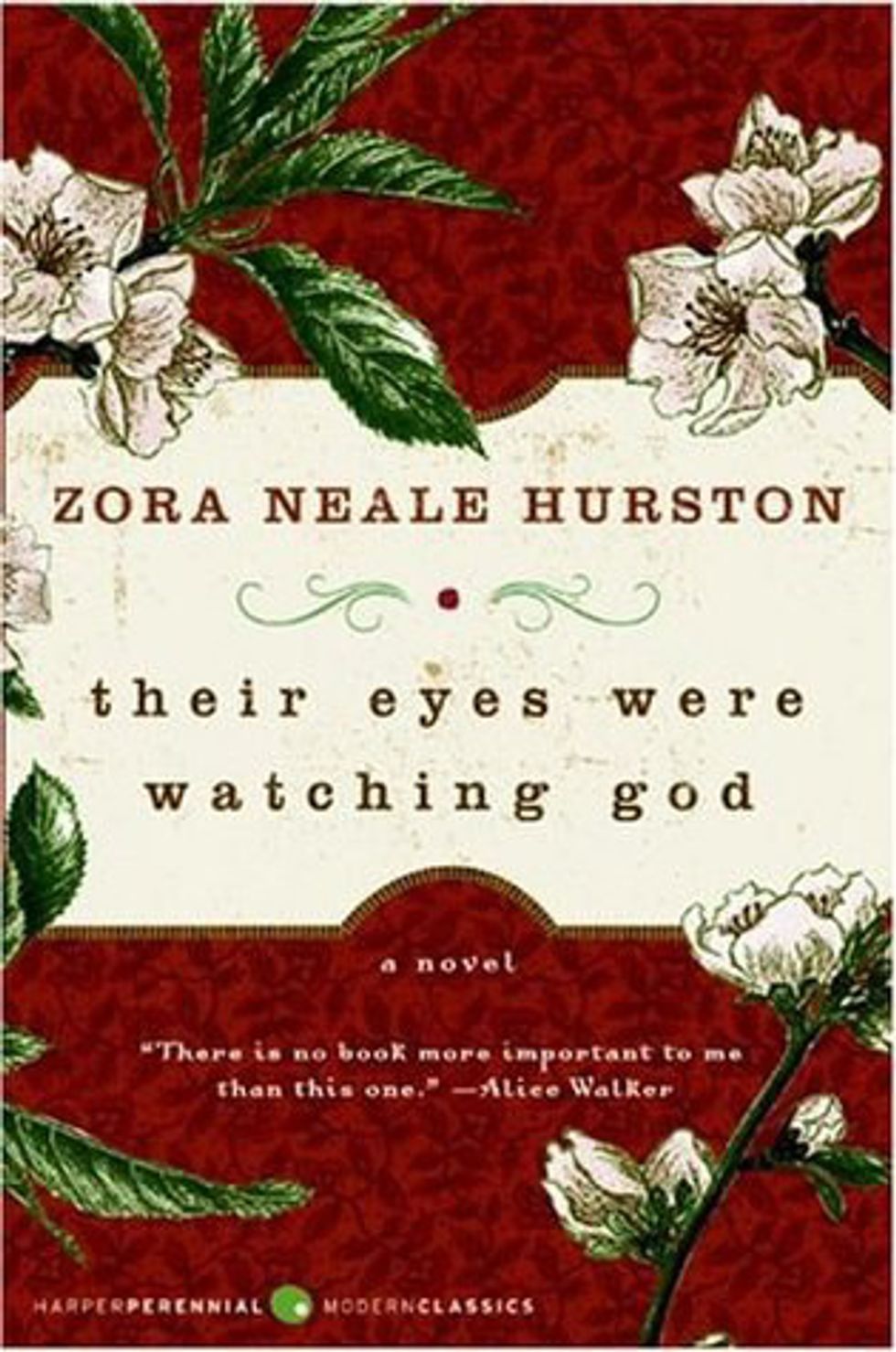
Not the most common classic to grace a teenager’s list of favorite books -- usually, the only “classic” present on lists like these is “The Great Gatsby” by F. Scott Fitzgerald. “Eyes” is set in the American South during the early 20th century, focusing on mixed-race Janie Crawford and her journey of self-acceptance and self-worth. Janie trudges through three marriages only to realize that her happiness isn’t defined by the man next to her -- love and marriage are both sacred, but they do not guarantee emotional security or satisfaction. Instead, she learns to depend only on herself and decides to carve her own legacy.
Recommended if you like: potted orchids, ambient jazz, and tea cakes.
2. An Na, “The Fold”
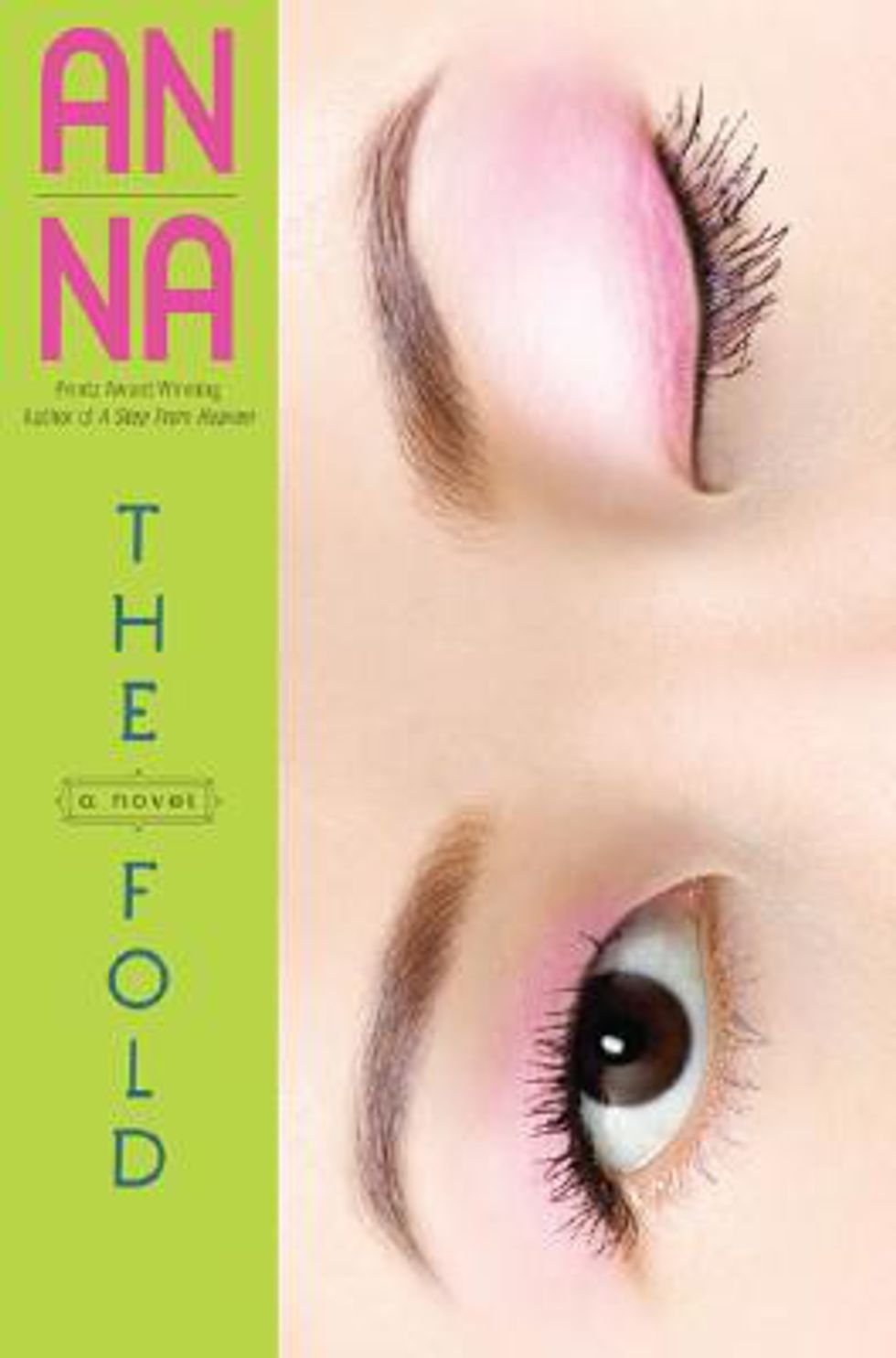
Asian-American struggles are constantly overlooked in literature in general, let alone young-adult novels. So, when I discovered that there was another book I could connect to besides Amy Tan’s “The Joy Luck Club,” I seized the opportunity to read it. Evocative and emotional, “The Fold” honestly and comprehensively discusses beauty myths and standards that pervade not only Asian culture, but American society as well. But, more importantly, through the eyes of Joyce, a teenage Korean-American girl, “The Fold” helps us come to terms with our perfections and imperfections, urging us to love ourselves for who we are.
Recommended if you like: old souls, Sia-like ballads, and pink eyeshadow.
3. Joseph Heller, “Catch-22”
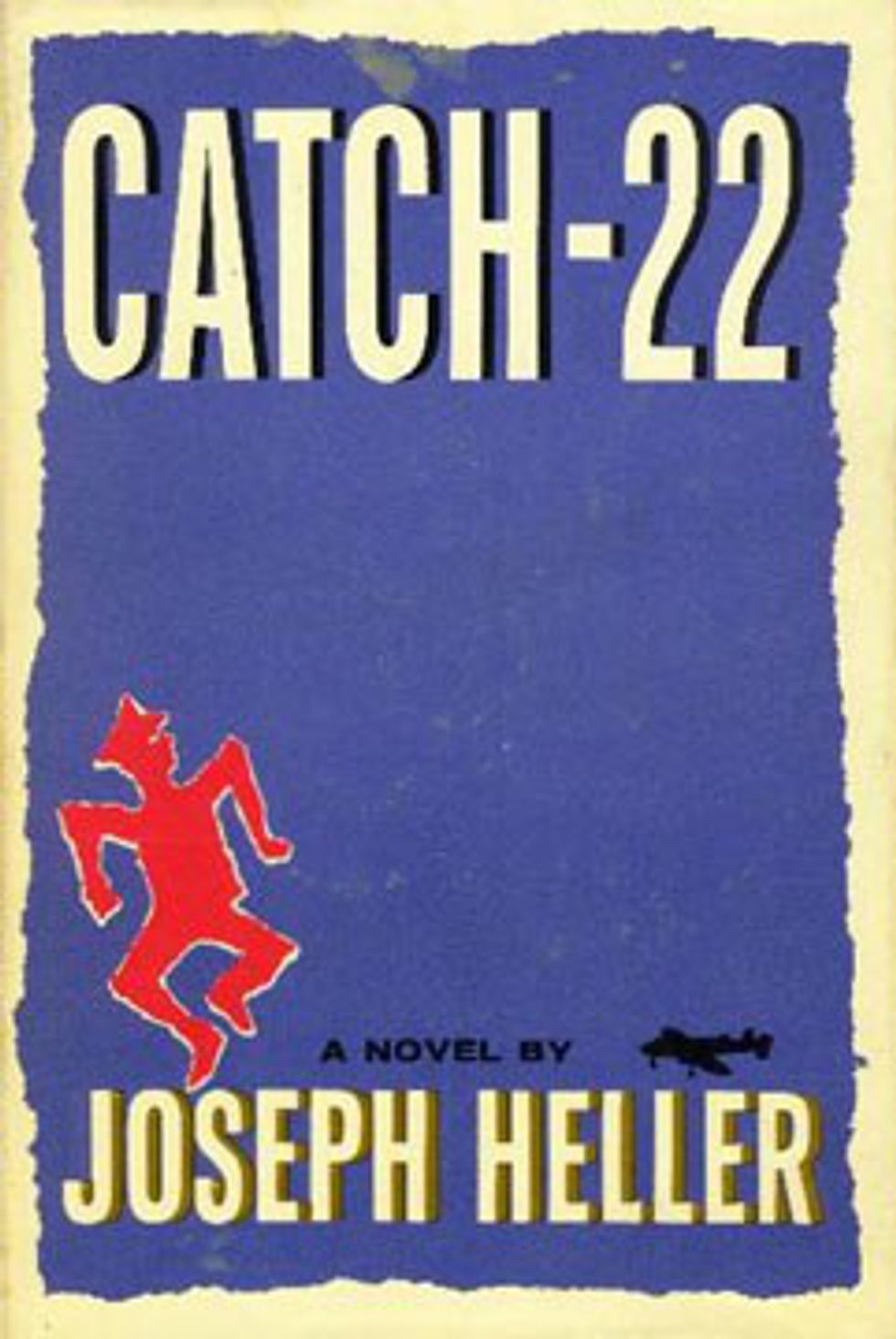
Oh man, my love for this book is ineffable. This satirical novel follows John Yossarian, who seeks to free himself from the horrors of World War II. But, in his efforts to save his skin, he finds himself stuck in a bureaucracy that could potentially jeopardize his life and those of the other soldiers in the army. At first, when you read the book, you may not understand what’s going on at all, as if you’re running around in circles -- but that’s the point Heller is trying to make. The structure of the novel is a symbol in itself about truths about war and bureaucracy.
Recommended if you like: Childish Gambino, sudoku puzzles, and articles from The Onion.
4. John Green, “Looking for Alaska”
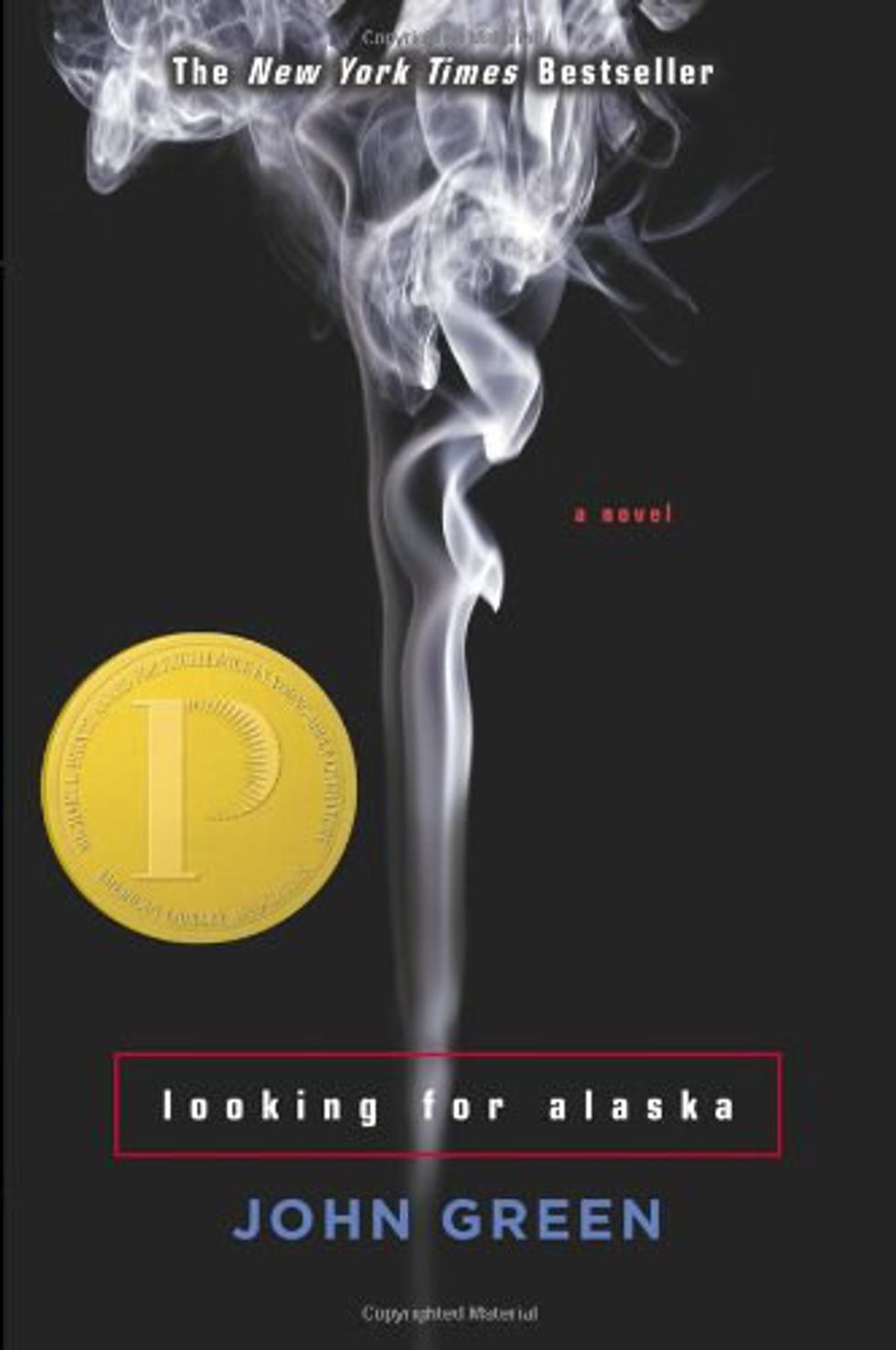
Saving the best for last. Miles “Pudge” Halter, an unassuming high school junior, joins a boarding school in Alabama to find “the Great Perhaps” (Francois Rabelais, poet). There, he meets the gorgeous and utterly fascinating Alaska Young, who steals his heart at first sight. But, Alaska is also rash, impulsive, and self-destructive, a bomb ready to detonate at any second. Through Alaska, Pudge opens the gates to the Great Perhaps and learns that life is more than just a set of rules. After a tragic, life-changing incident that shakes all of Culver Creek, however, nothing remains the same.
Recommended if you like: candle smoke, the color burgundy, and last words.
The clock is ticking, with beautiful stories to hear and tell. Make your lives extraordinary with literature!
















