

We all deal with a level of clutter and chaos in our lives. There's class, work, friends, and events for organizations and clubs we participate in, and if you live on campus in a little room, keeping your space de-cluttered can be incredibly difficult. As obvious as it can be that not everyone is really the type to keep their space clean and neat, there is a certain amount of importance to the aesthetic and openness of the environment in which you live in, and there are many easy ways to brighten and open up a living space with little to no cost.
1. Cleaning
I can see you dragging your cursor up to close out of this window and go to Facebook or Twitter or Tumblr, but bear with me! Cleaning can be really tedious, but it's such an important step in reducing clutter in an environment. It gives you a chance to analyze the things you have, why you have them, and whether or not you need them, whether that be in the space the item is currently taking up, or why you have it at all.
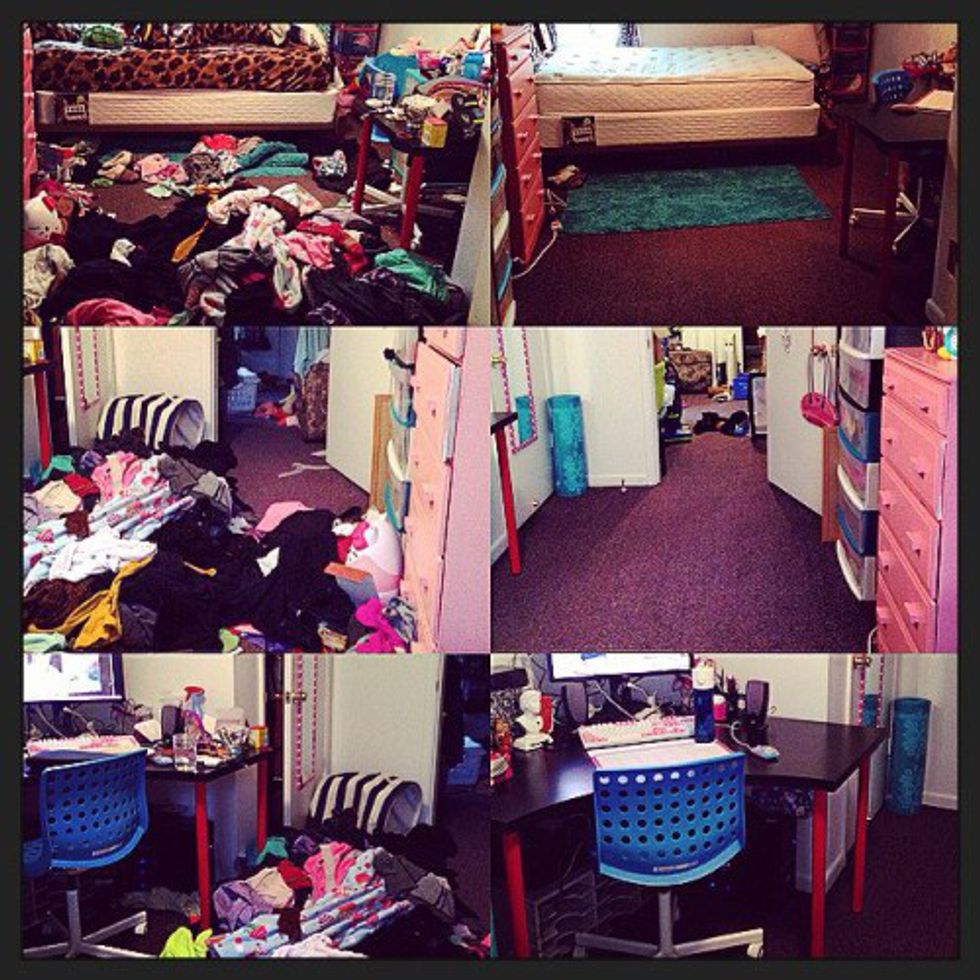
Cleaning also gives you a chance to dust and wipe down surfaces, and move things as you might wish, and just the act of generally cleaning alone will give you the chance to open up and brighten your space.
2. Lighting
Light cannot travel through walls. Fact. And even if your space has a window, often times, particularly in a dorm room setting, these windows are small, and don't permit a lot of light to enter through them, and then there's the situation of night time and what to do when the sun isn't around.
Good lighting is probably one of the most crucial ways to, well, brighten a space. It'll help make a space feel more open and free, as opposed to closed off and stuffy. It is also incredibly important if the space in question is going to be a work space, as good lighting that isn't harsh on the eyes and doesn't change the color of the objects in the room (as yellow lights often do), will make performing tasks such as writing papers and reading easier and less stressful on your body, and thereby much easier to complete on a cognitive level.
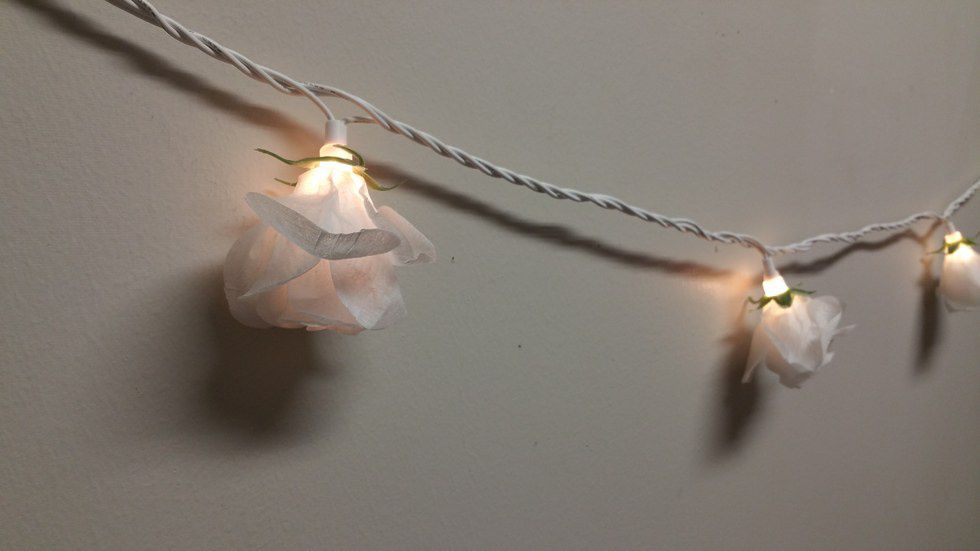
Some examples of ways to add lighting to a typically dark environment are cute string lights and lamps. String lights can be places really wherever you like, and can be the easiest way to add a little bit of personality and lighting in a very minimalist way.
3. Color Coding
Color coding sounds more difficult and time consuming than it actually needs to be. It can mean something as simple as single colored accents, or creating a complete theme surrounding a specific color. Picking one color to act as an accent, however, can be very useful in creating an atmosphere which feels put together and neat. Often times, white is a wonderful color to use as a base for an environment. It's open and light will bounce off of it, rather than be absorbed by it, and you'll be left with a feeling of brightness and openness. Off of white, an accent color will pop and give your space the definition it needs to be homey and, most importantly, yours. This usually means leaving walls white and white desktops and chairs and... maybe it'd just be best to show you.
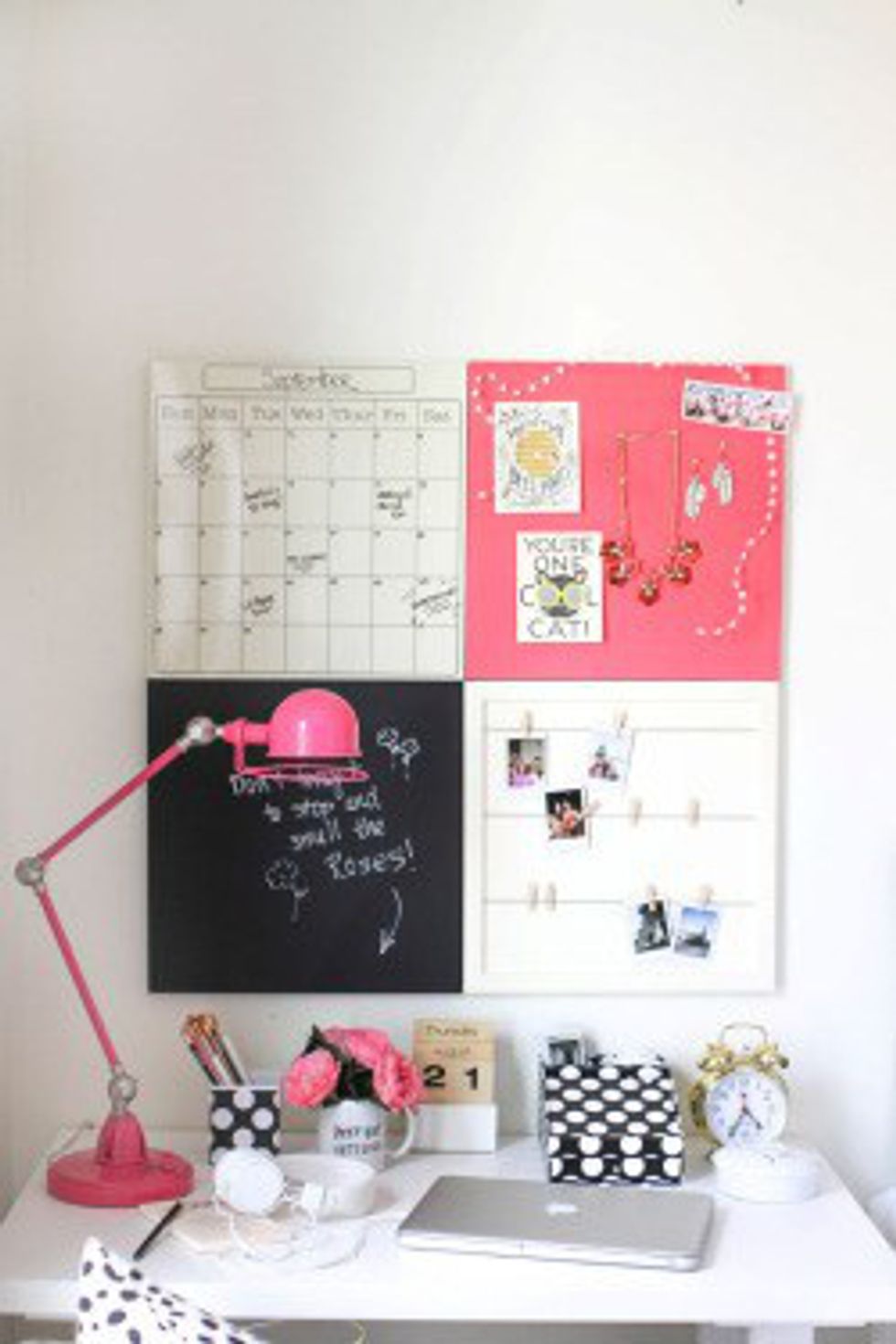
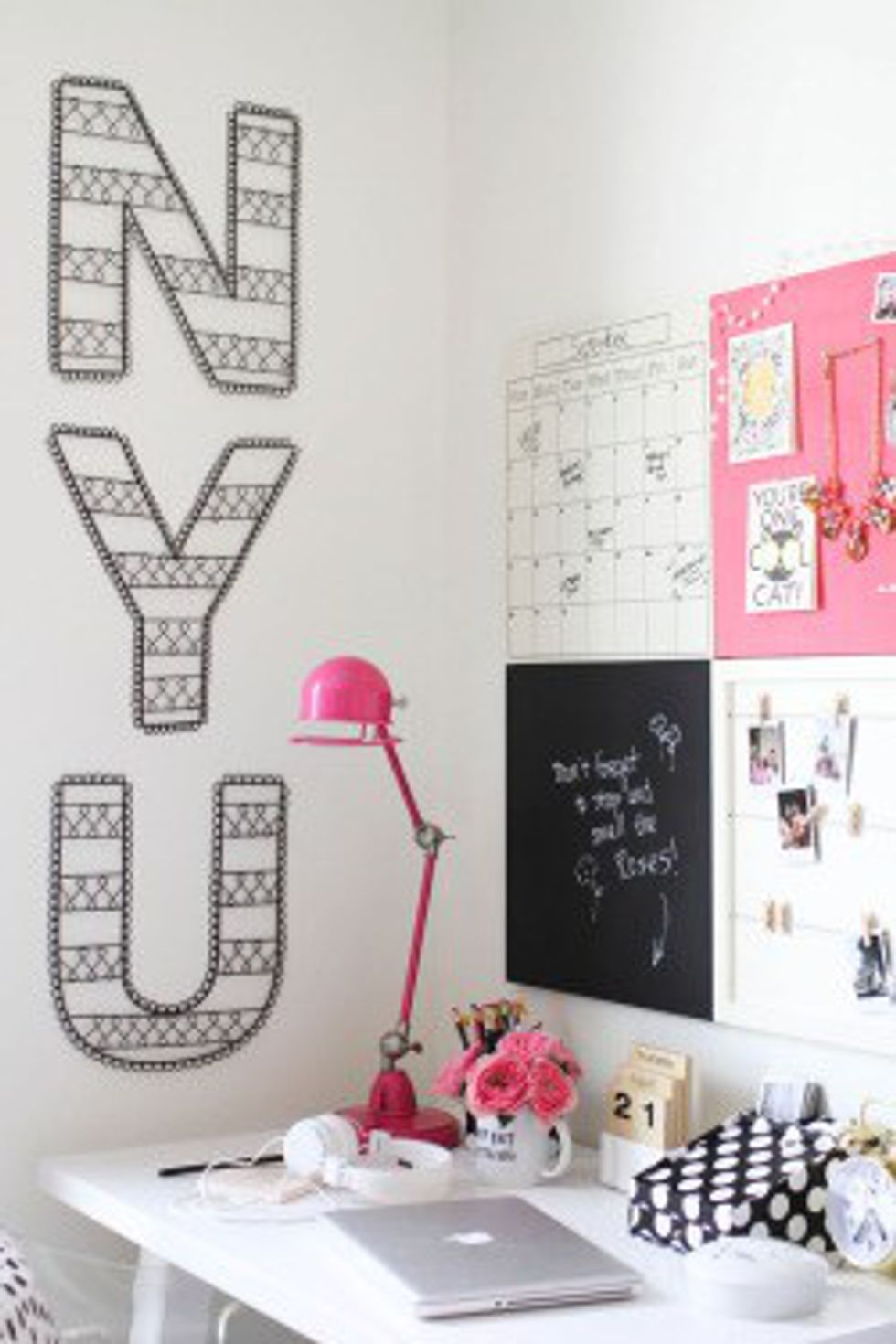
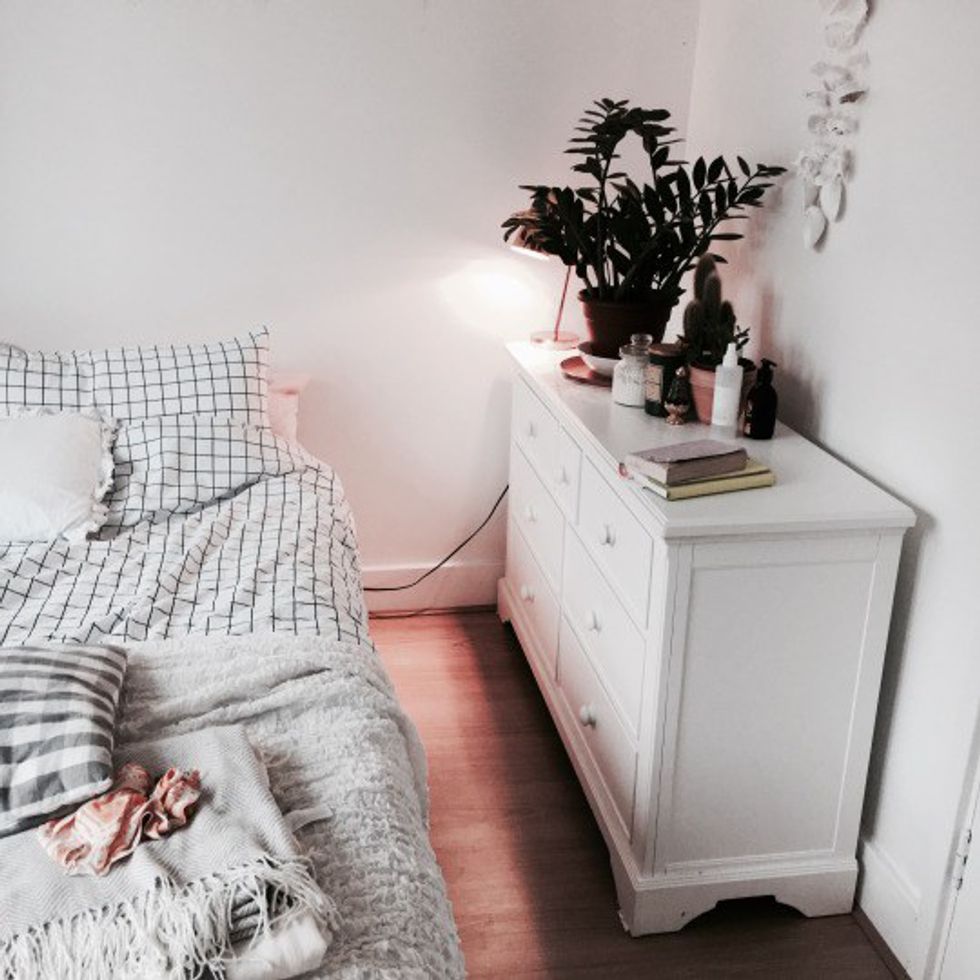
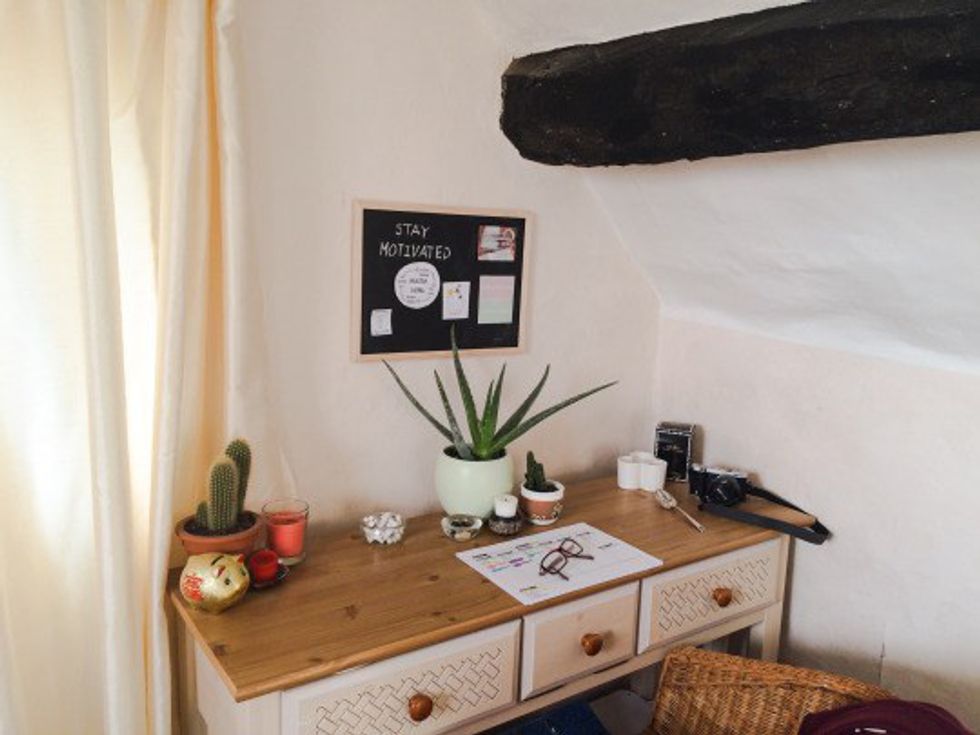

The above photo is going to be of a room where... there isn't a ton of natural lighting available. And maybe the colors of the furniture isn't as bright as it could be, but there are little things which tie it all together. The curtains. The flower lights. The matching laptop background. This is my desk area. If you live in a college dorm, it's easy to find yourself without a lot of the things that I've mentioned to be crucial for a great study space. That doesn't mean it's not possible to create one! Even if the space is small and seemingly difficult to deal with, it only takes a little bit to make something that's perfect for what you need.